Sutanpu, sutanpu
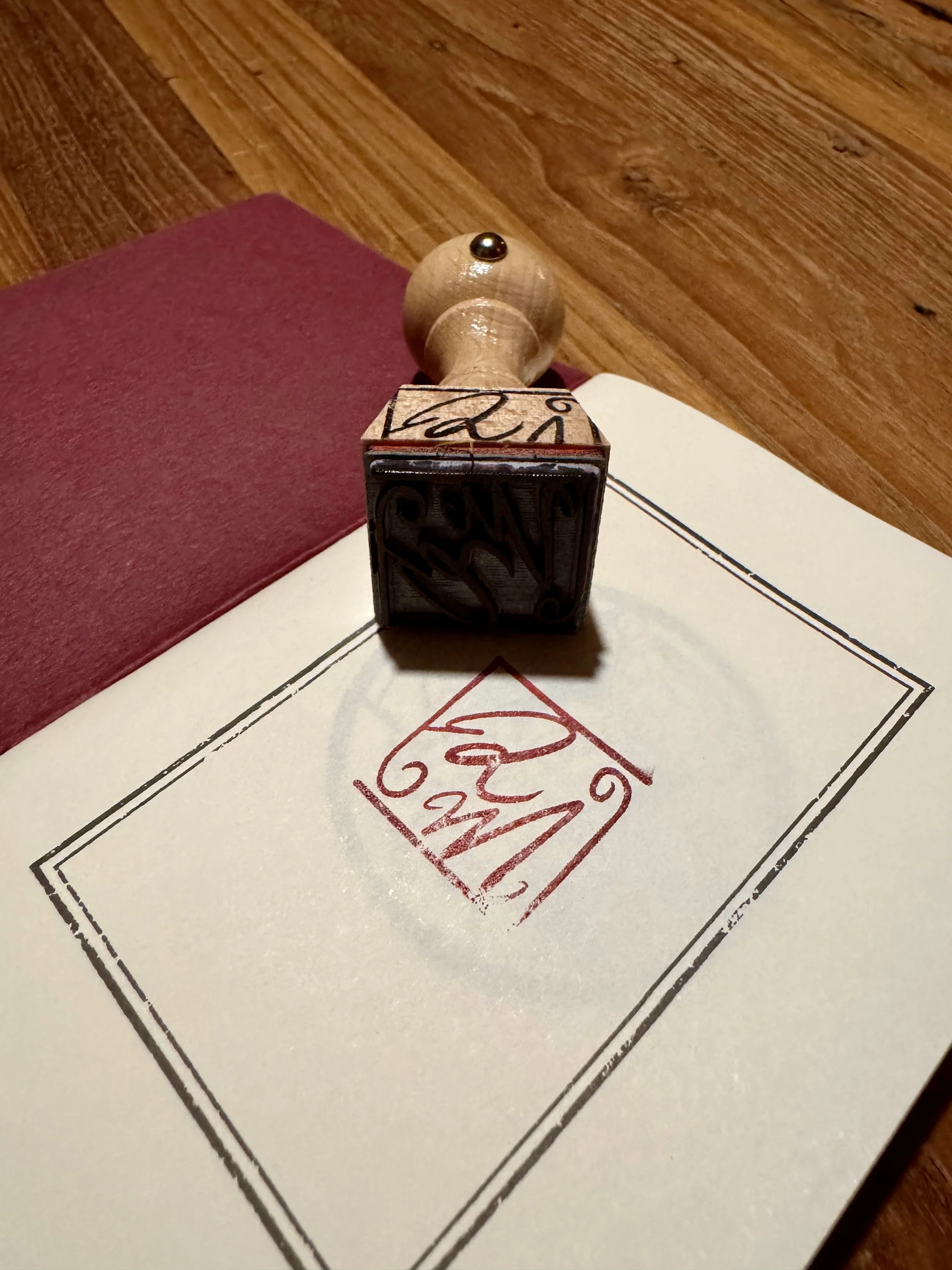
Ever since my last trip to Japan, I’ve acquired a bit of a fondness for stamps. There is something about the act of inking a stamp, pressing it onto paper, and leaving that perfect mark. How did I develop this strange obsession with stamps, and what do stamps have to do with a Buddhist pilgrimage? Allow me to explain.
You see, Japan has a long history with stamps. There are inkan or hanko seals, which are used to sign important documents. I think this ingrains the use of stamps deeply in Japanese culture and customs. Alongside these more official uses, there is also a whole world of leisurely stamp collecting. This is what actually sparked my interest and enthusiasm.
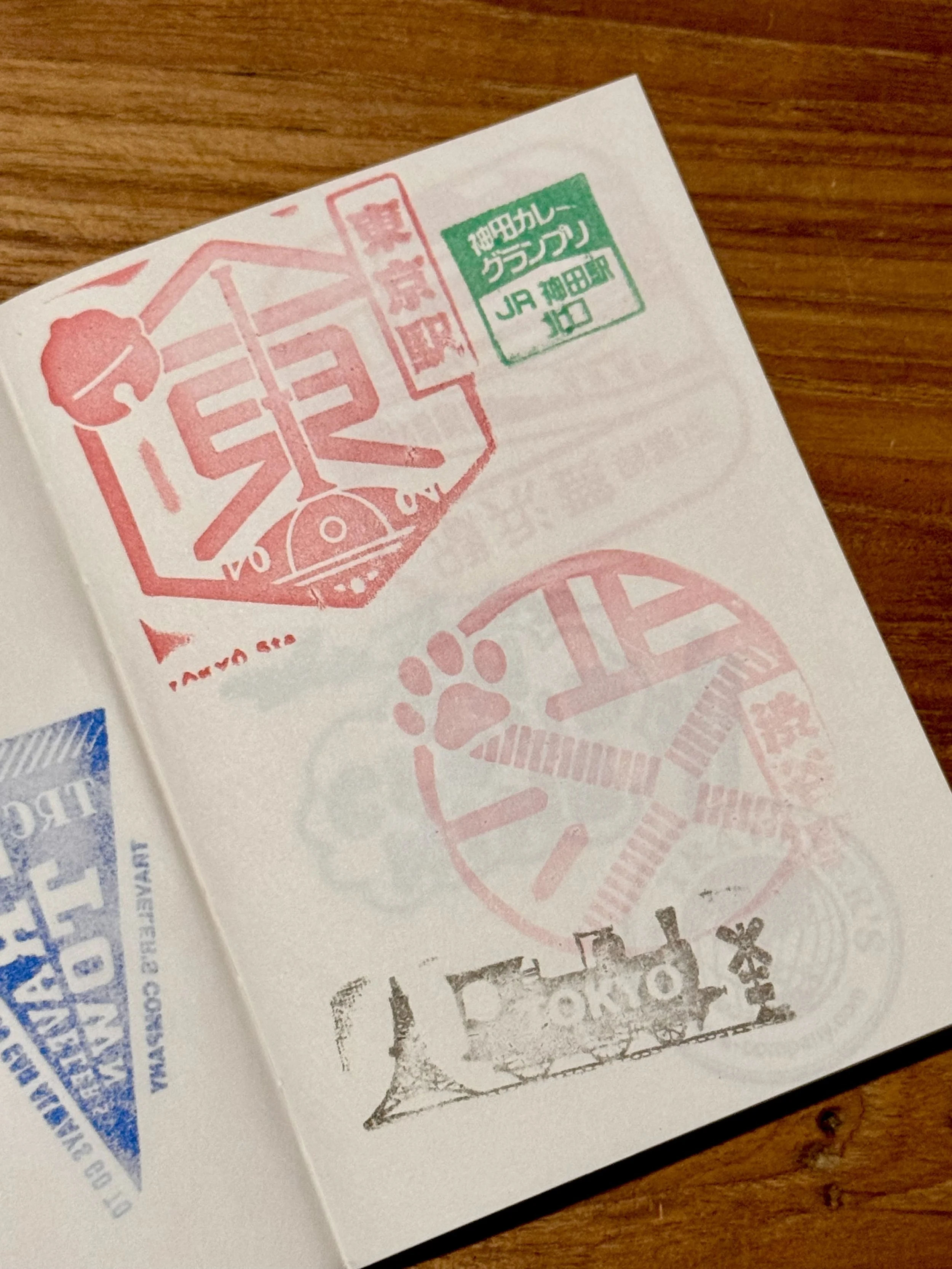
Tokyo Eki Stamps
It started when I found a stamp table at one of the stations in Tokyo. The stamp had a stylized image on it and seemed to be specific to that station. Googling “station stamps” opened up the world of eki stamps. As it turns out, almost all stations in Japan — and there are many — have a dedicated eki stamp. It quickly became a habit to first find the stamp before heading to the platform. If I couldn’t find the dedicated table or booth, I would try the information desk or ask the attending staff. This is how I discovered that they sometimes have even more special stamps tucked away at the information desk, which resulted in me bothering staff at nearly every station.
You can imagine how I must have looked to them: this middle-aged gaijin asking “Sutanpu, sutanpu?” at every station, making a stamp-like gesture 😅.
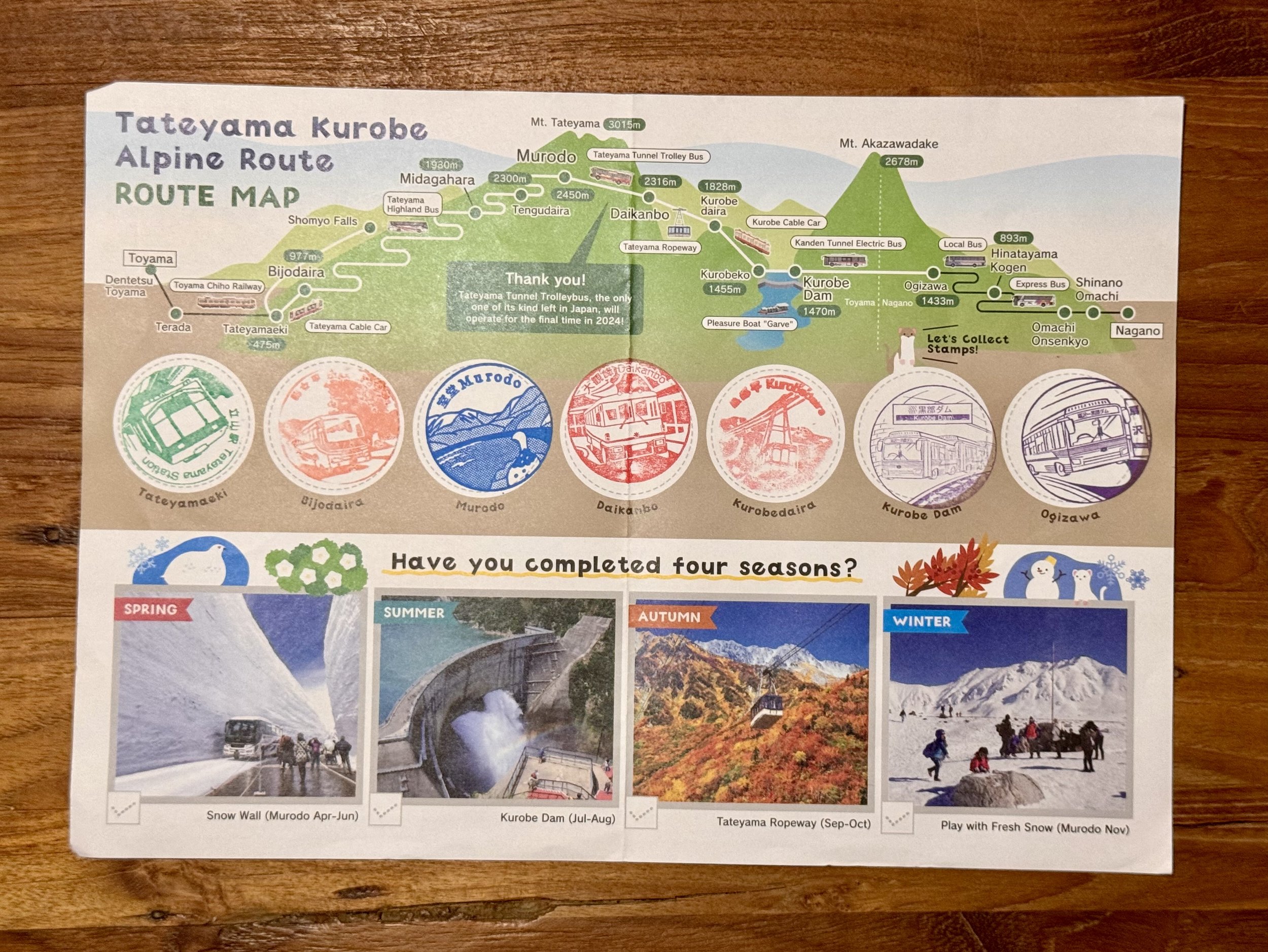
Tateyama Kurobe Alpine route Stamp Rally
I very quickly filled up one of my notebooks when I realized that there was stamping to be done at almost all tourist attractions as well. I even took part in several stamp rallies, where you collect a series of stamps across multiple destinations. But the best and most memorable implementation of stamps was at the Ukiyo-e Museum in Matsumoto, where they had stations that allowed you to recreate famous artworks by layering several stamps.
Matsumoto Ukiyo-e Museum Hokusai Stamp
Let’s bring it back to the Shikoku Pilgrimage. As it turns out, Japan’s stamp collecting culture is possibly influenced by goshuin. These are sacred, hand-painted stamps and calligraphy given at temples and shrines, acting as a spiritual souvenir or “proof” of pilgrimage. It is customary for henro to carry a dedicated book — a goshuin-chō — for collecting these. As you can imagine, I’m very much looking forward to this little side perk. I guess my stamp-collecting days are far from over, and I have yet to start my biggest stamp rally. Let’s see if I can collect all 88.