Solace for the soles
“Your feet carry you through life—treat them like royalty,” or so they say. Don’t worry, this isn’t suddenly turning into a foot fetish blog. Although this entry will be all about footwear and foot care, so if that is your thing, it might still be a rousing experience.
I spent a good part of last year training for the Shikoku Henro pilgrimage. As I’ve written previously, a big chunk of this training was dedicated to weighted hiking practice. According to my fitness tracker, I averaged walking around 15 km a day, with a total distance of over 5,000 km in 2025. This figure also includes all the steps taken while commuting to and from work, grocery shopping, walking around the house, etc. Still, at least 1,000 km of that distance was spent hiking with a weighted backpack.
As you can imagine, all this walking puts an enormous strain on the body, and most of the impact is concentrated on the feet. When starting out, I wasn’t paying too much attention to that and was honestly more concerned with my back, shoulders, and legs—until the first signs of fatigue and discomfort appeared. While resting, I started noticing pain in the soles of my feet. Sometimes my foot arches felt bruised, certain toes started to go numb, not to mention the blisters and loose nails…
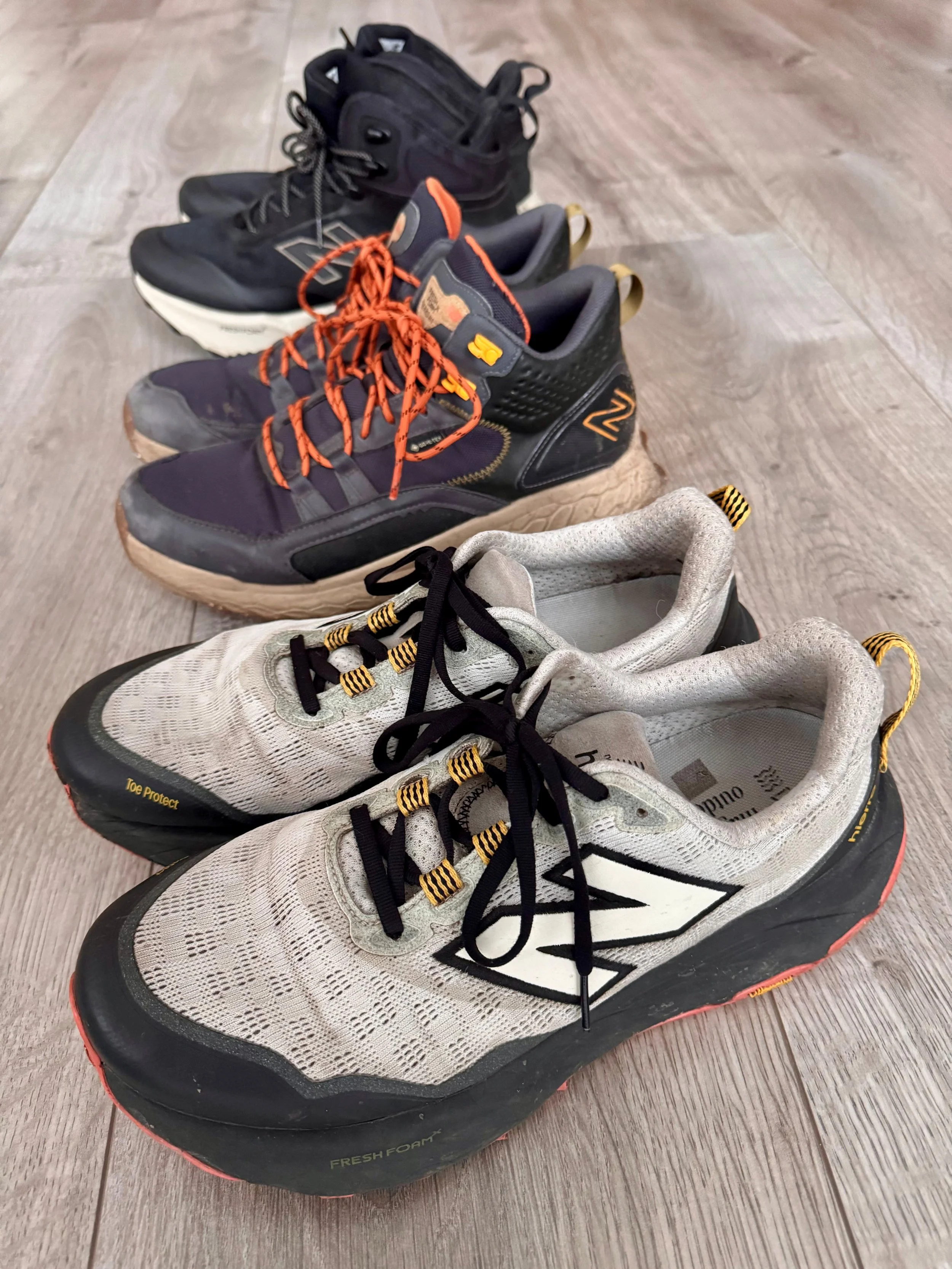
Now, it’s not like I didn’t expect some discomfort, but I wasn’t quite expecting my feet to be the main source of it. To counter that discomfort, you of course first try to change the most obvious thing: shoes. In the last year, I’ve tried several different types, ranging from dedicated hiking boots to trail runners that are more comfortable but less durable, as well as some hybrid models. Here’s a list of the shoes I tried:
The Timberlands I used on previous hikes were durable and comfortably roomy, but they were also heavy and not very flexible. I first switched to the hybrid New Balance model from the Hierro Fresh Foam series. These strike a nice balance between hiking boots and trail runners. They are not very lightweight, but they do support the ankle and have a very bouncy midsole.
In the summer, I switched to the actual trail runners from the same series, the Hierro V9s. These have been my go-to shoes for most of the year, as the support is great and the toe box is quite wide. The only downside is that the mesh upper lets both sand and water through, making them less ideal for wet weather or sandy dunes and beaches.
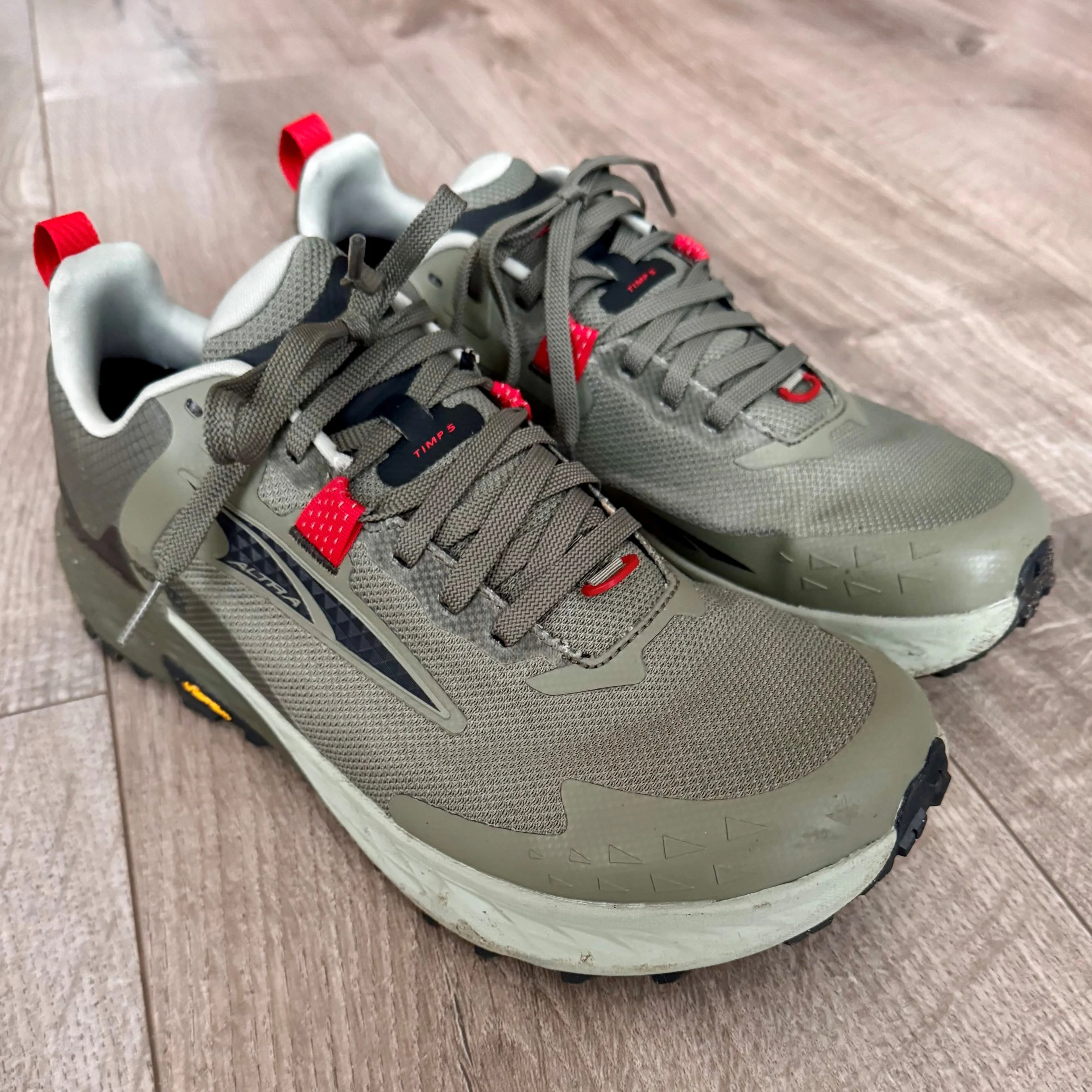
I also started experimenting with Altras, as the toe box is a much more natural fit for my feet. These are zero-drop shoes, and as a result they put a lot of strain on my Achilles tendon. I’m trying to gradually get used to them, but I don’t think I will be using them for the Shikoku Henro. The Lomers were recommended by a podiatrist, but they did not feel good and caused a lot of pain in my tendon plates. So I went back to the New Balance Hierro and decided to use a GTX version of the V9s for the big hike.
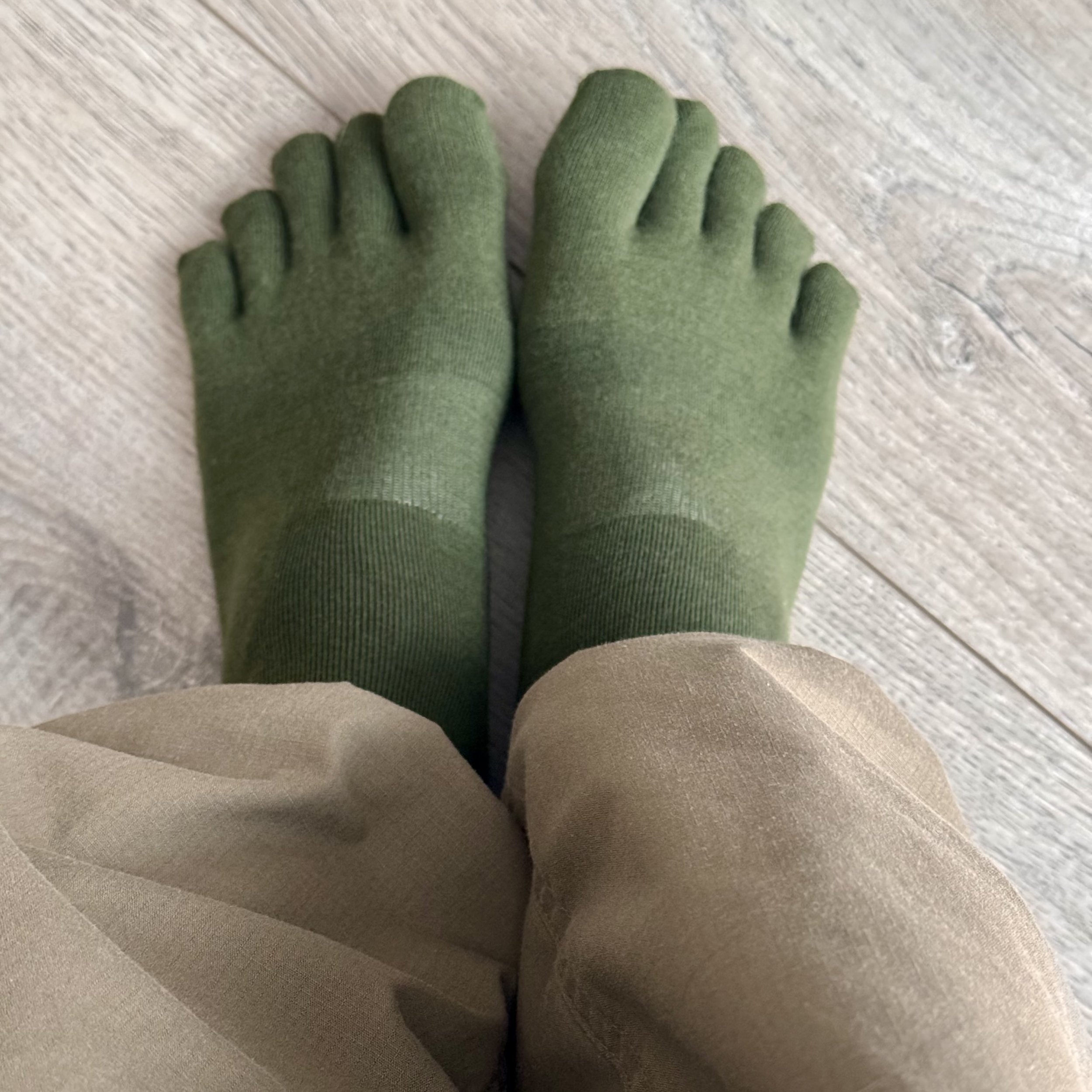
When confronted with recurring foot issues, I also started adding dedicated exercises to my routine. Foot-flexing exercises and stretching help prevent injury. I also started using toe spreaders to better align my toes and stimulate blood circulation. To prevent blisters, I can really recommend switching to toe socks — they’re a bit more annoying to put on, but they prevent friction, and I haven’t had any blisters since wearing them.
One final helpful precaution I can’t leave out is the use of hiking poles. These dramatically reduce the amount of weight your legs have to carry, lessen the impact on your feet, and distribute the load more evenly across your whole body — not to mention sparing your knees on downhill sections.
All in all, it has been quite an educational process. I now understand much better how important my feet really are, and I intend to treat them better for the rest of my life.