Namu Daishi Henjo Kongo
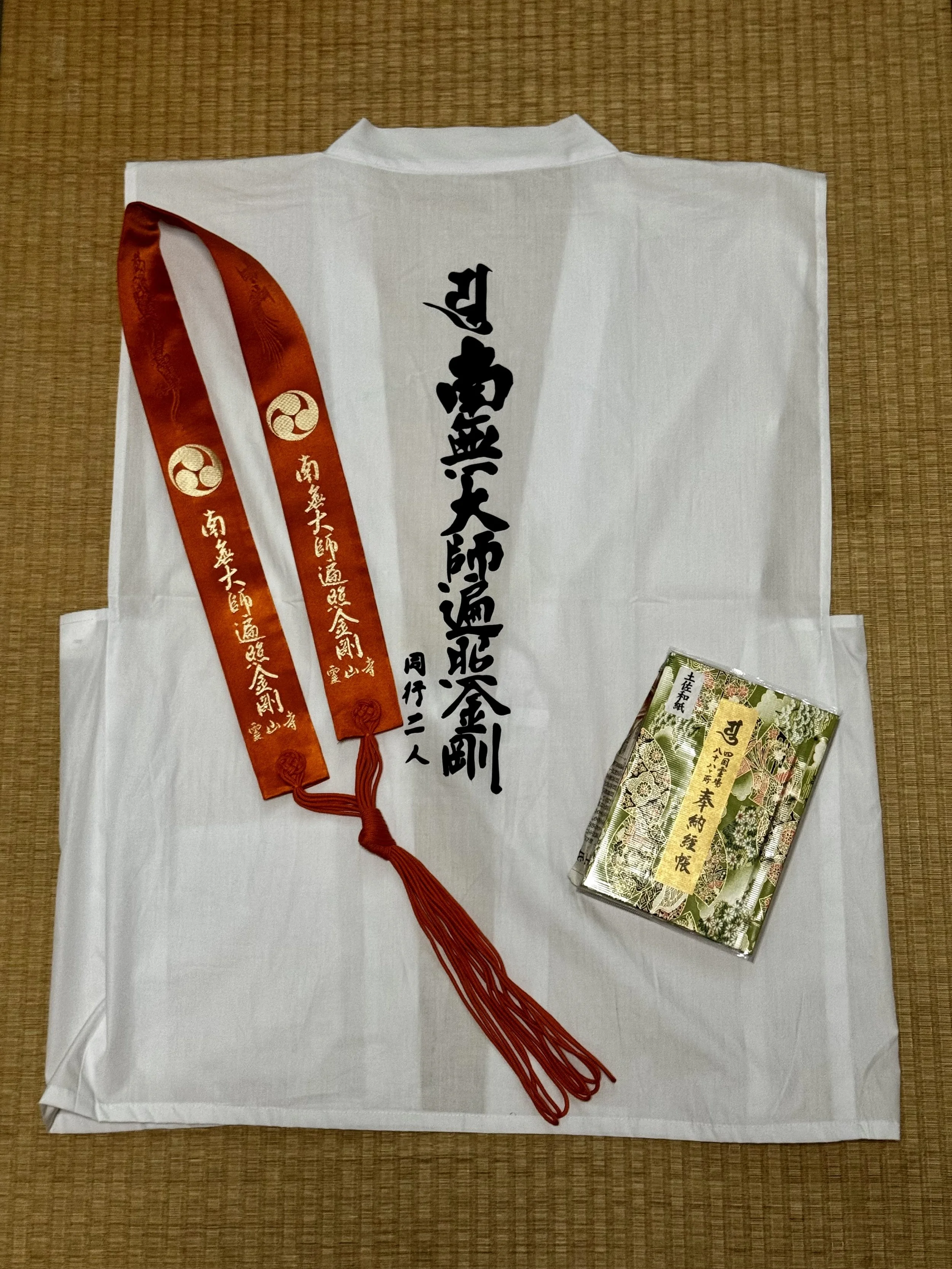
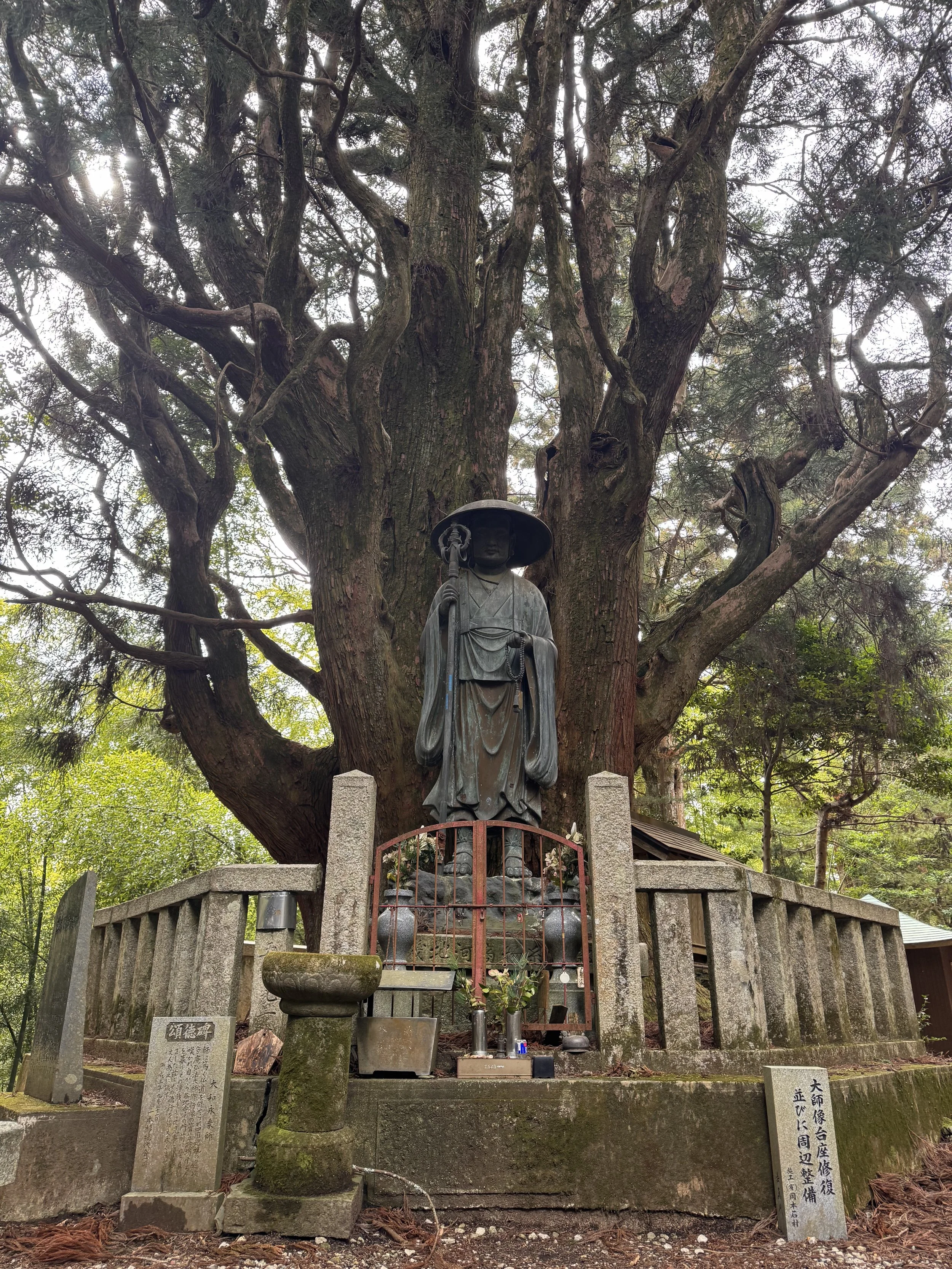
"I take refuge in the Great Master Kobo Daishi, the Universally Illuminating Vajra"
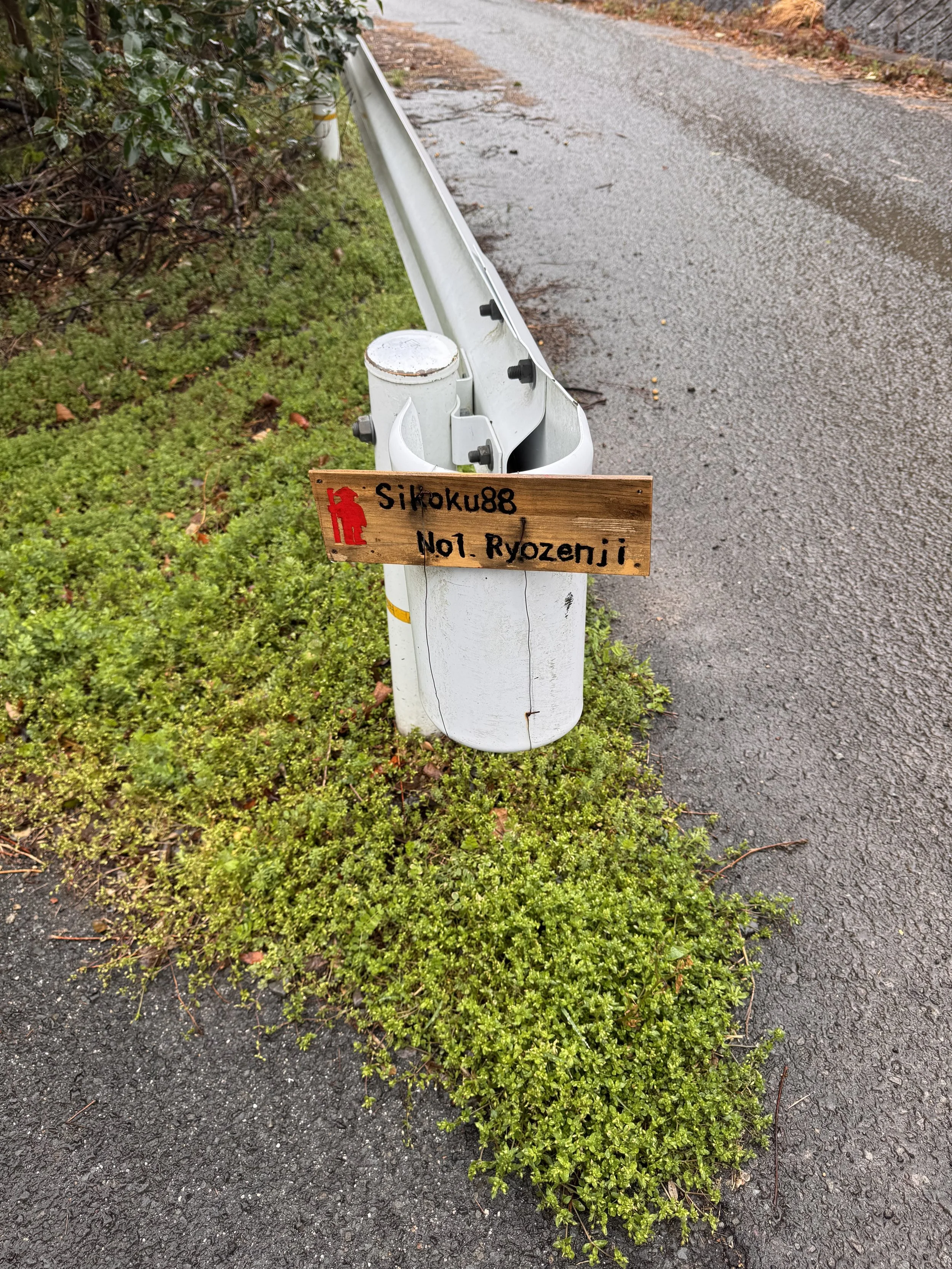
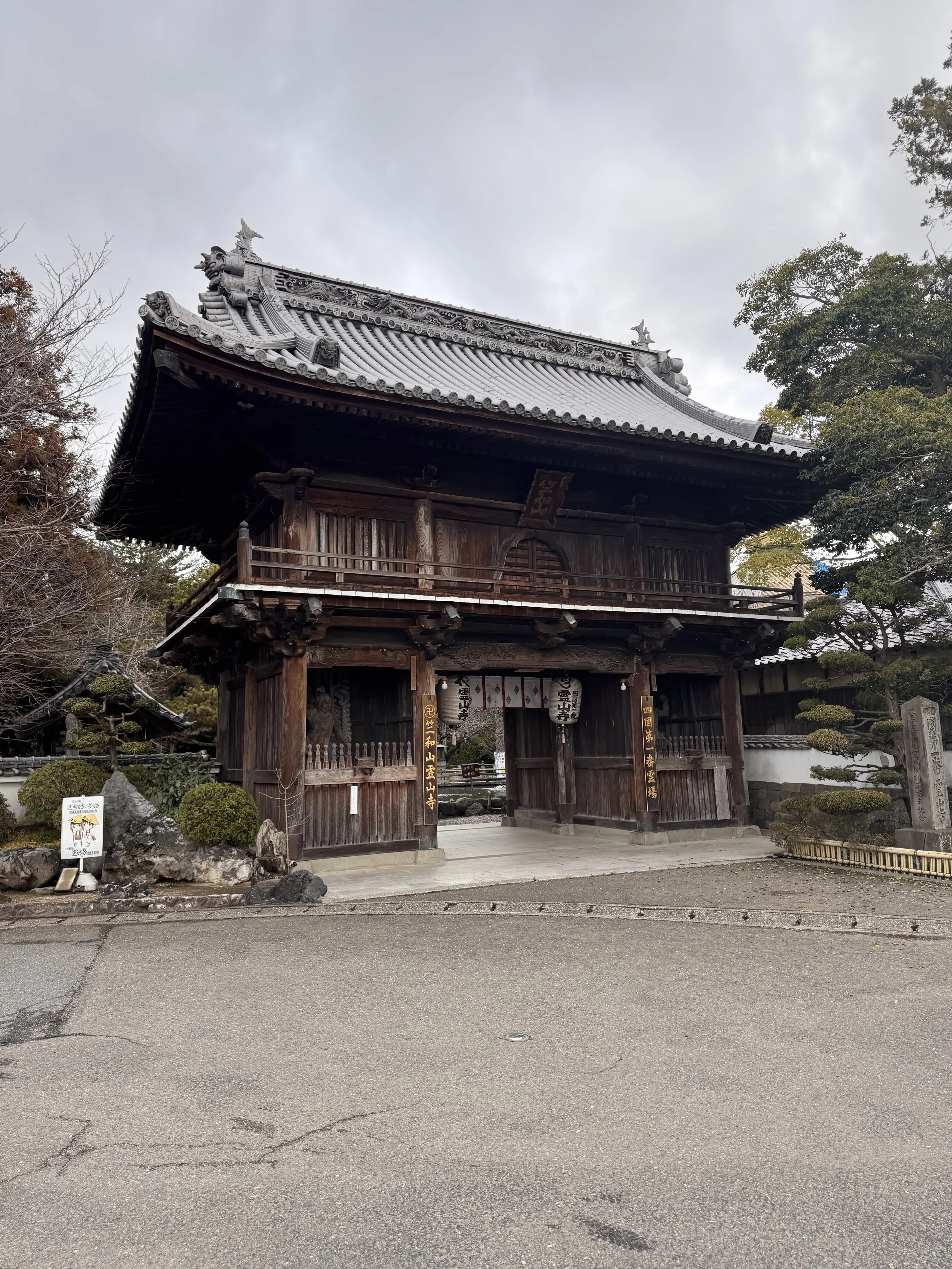
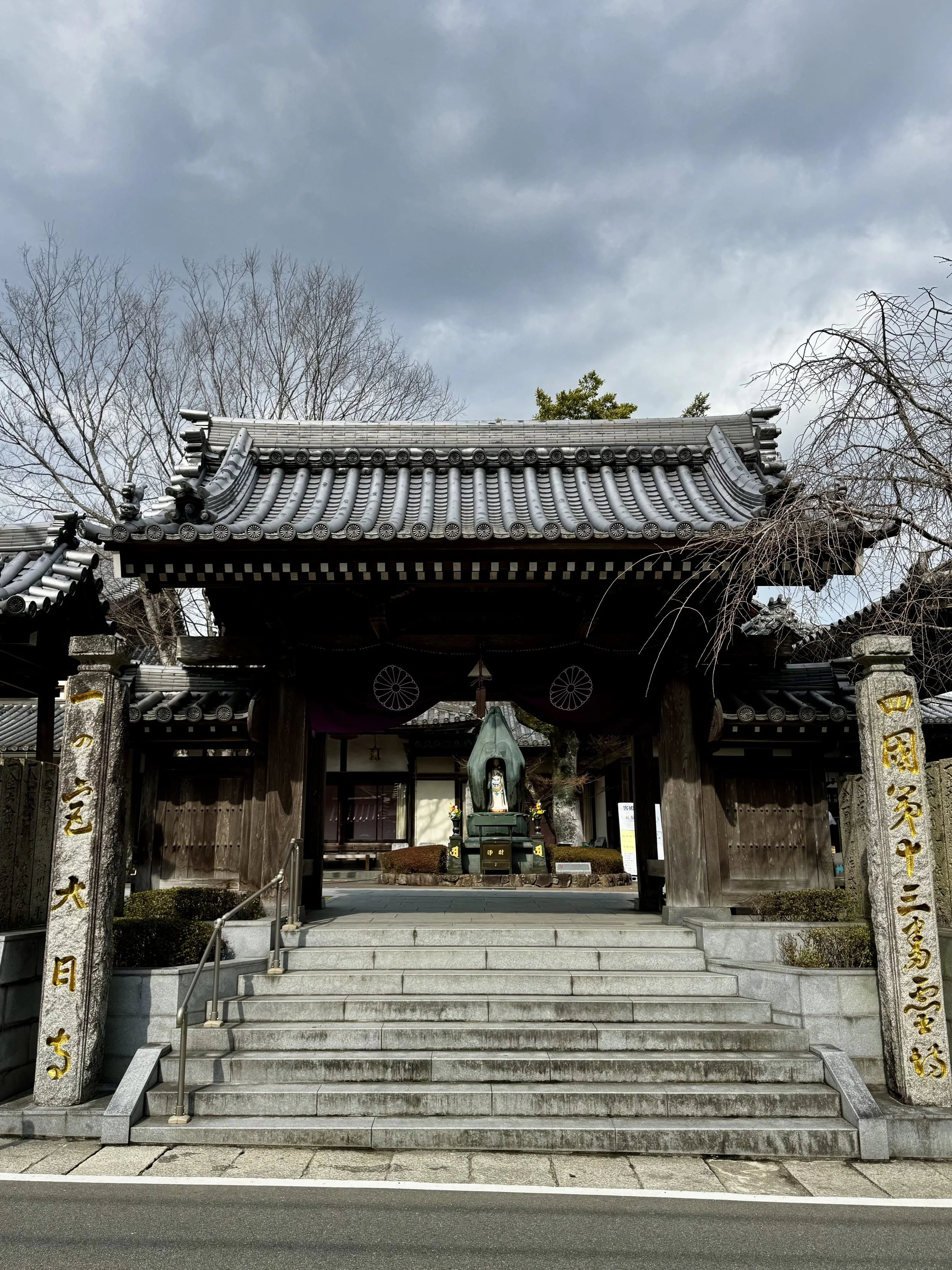
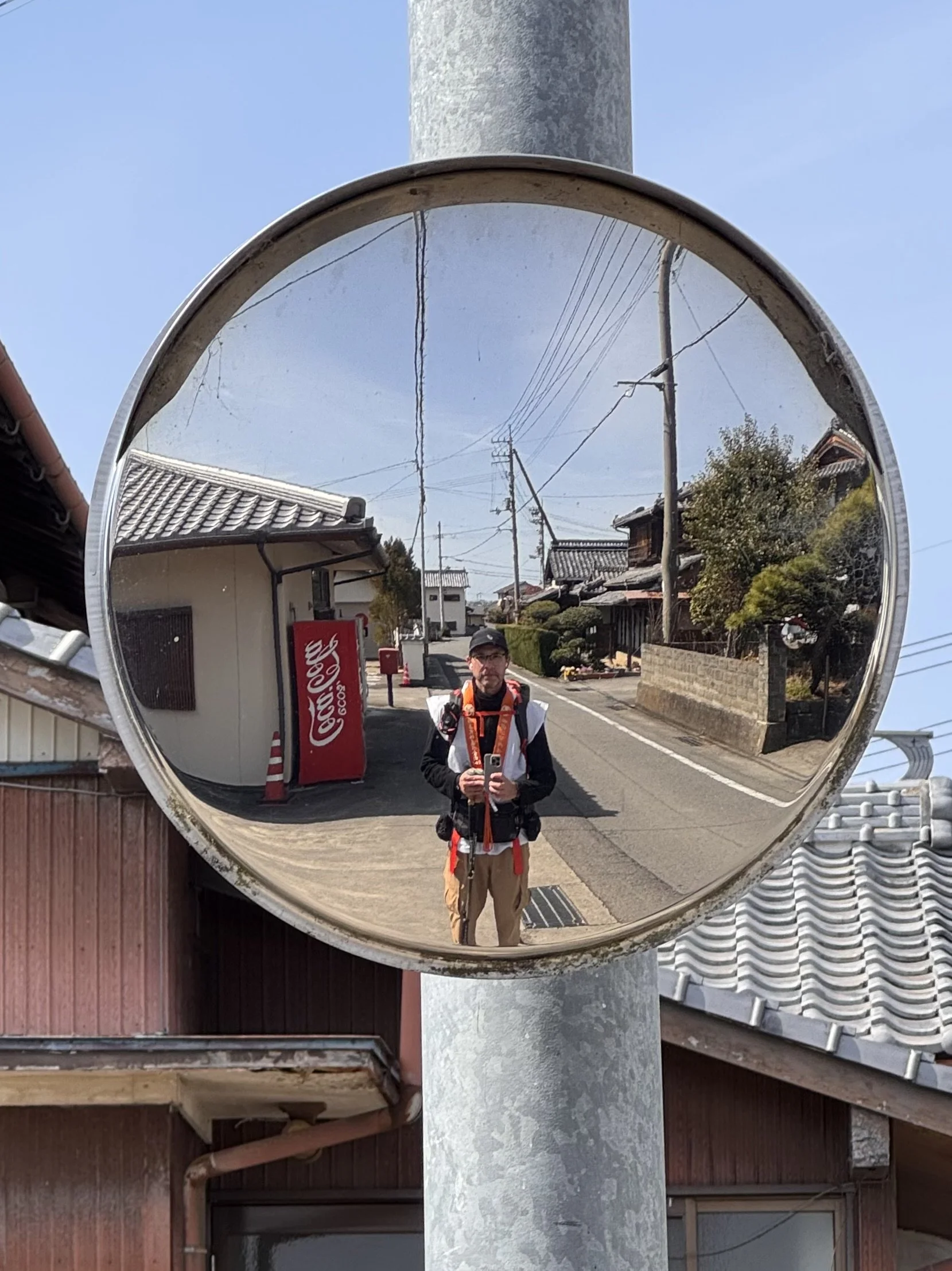
On the 4th of March, after much preparation and planning, I put on the white sode-nashi and my orange kesa—with this first entry’s titular sutra written on them—and began my path on the Shikoku pilgrimage. Starting out from Temple 1, Ryozen-ji, I walked to Temple 6, Anraku-ji, where I spent the night in the shukubō. This is one of the few temples still offering traditional lodging for pilgrims, and it was a very pleasant stay. Both dinner and breakfast were traditionally prepared and served. It also had its own onsen, which was a very welcome relief after the day’s hike. After dinner, I was able to attend an ancestral Shingon ritual, during which we were allowed to enter parts of the temple normally closed to the public.
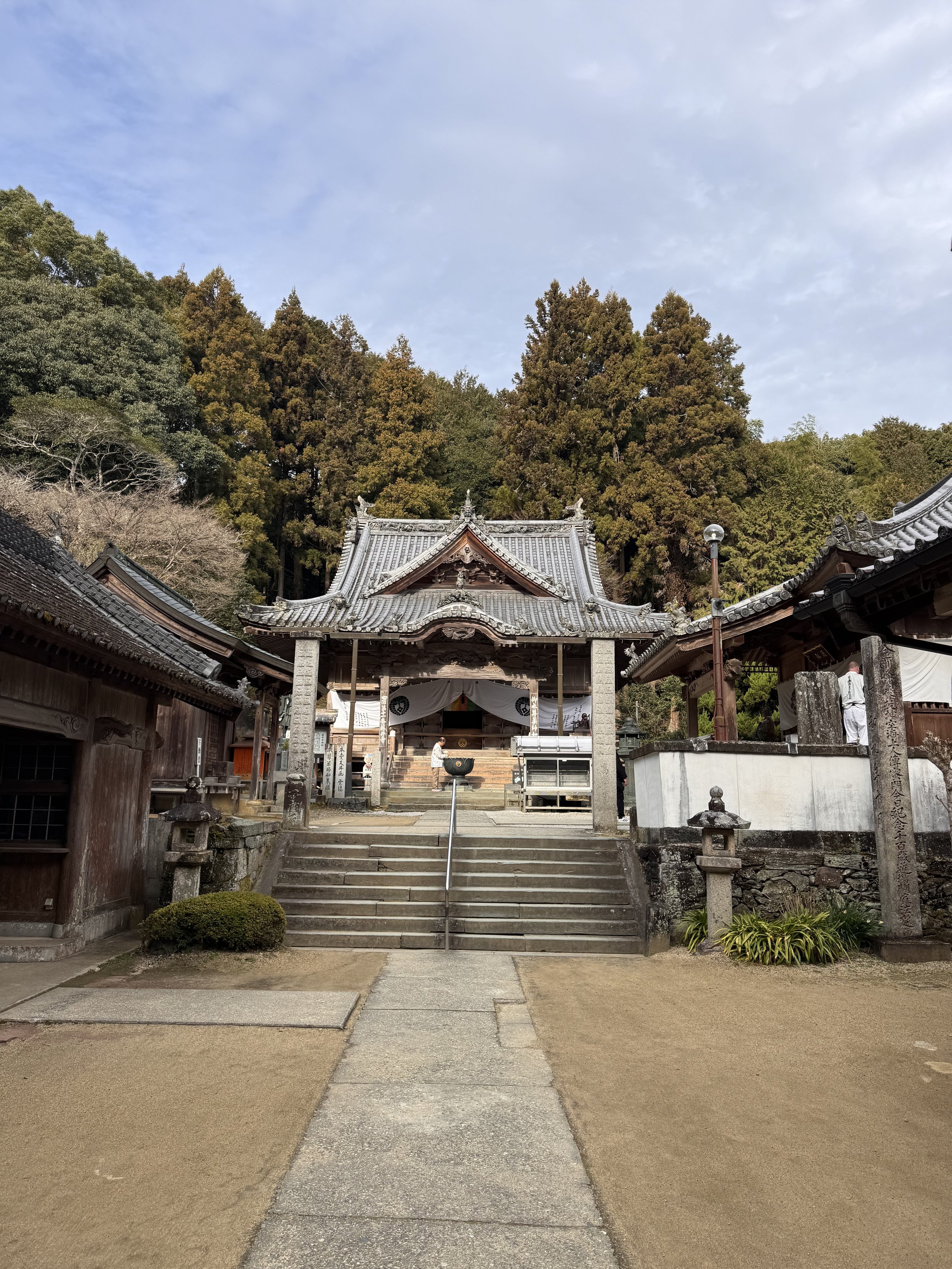
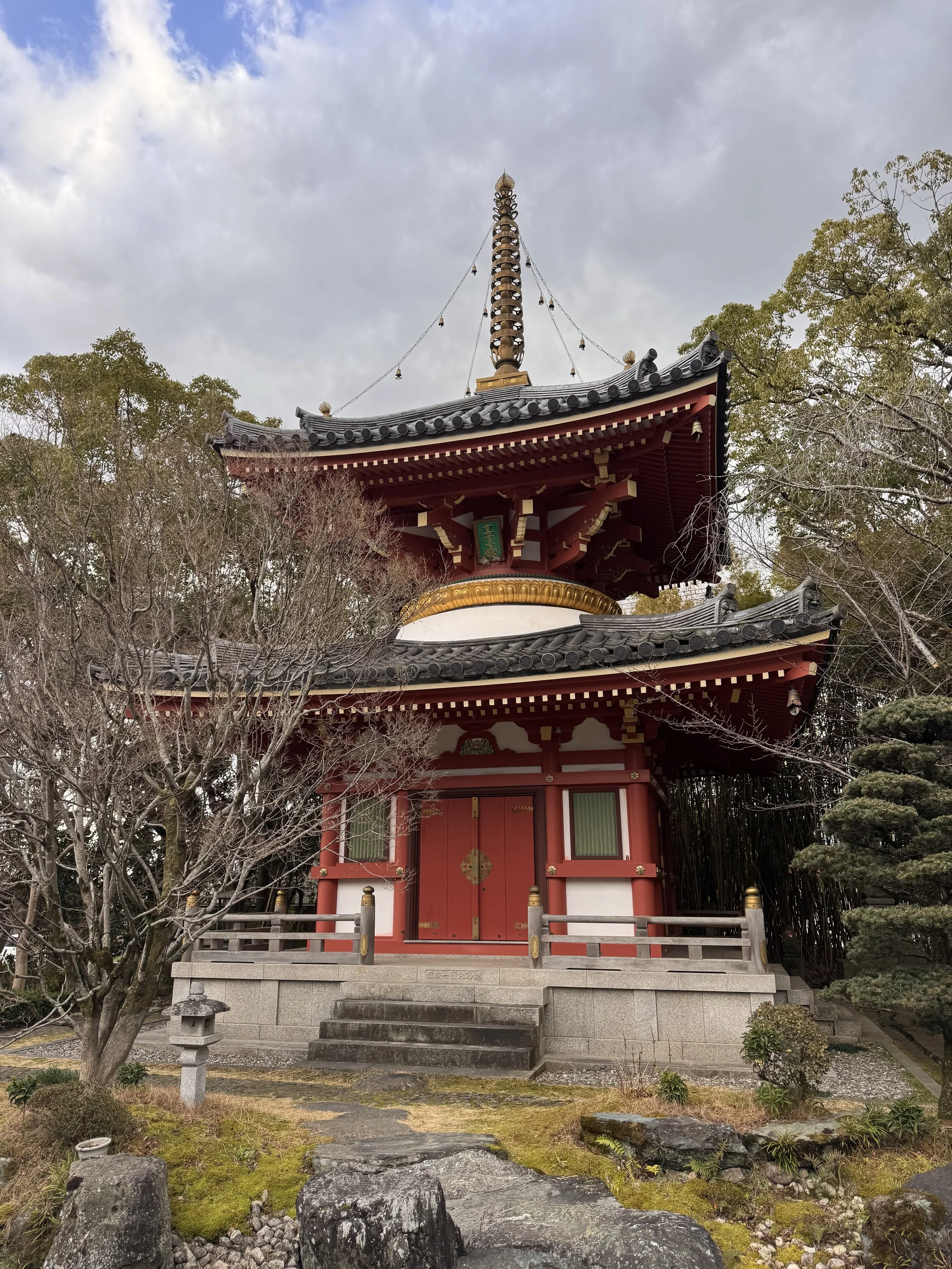
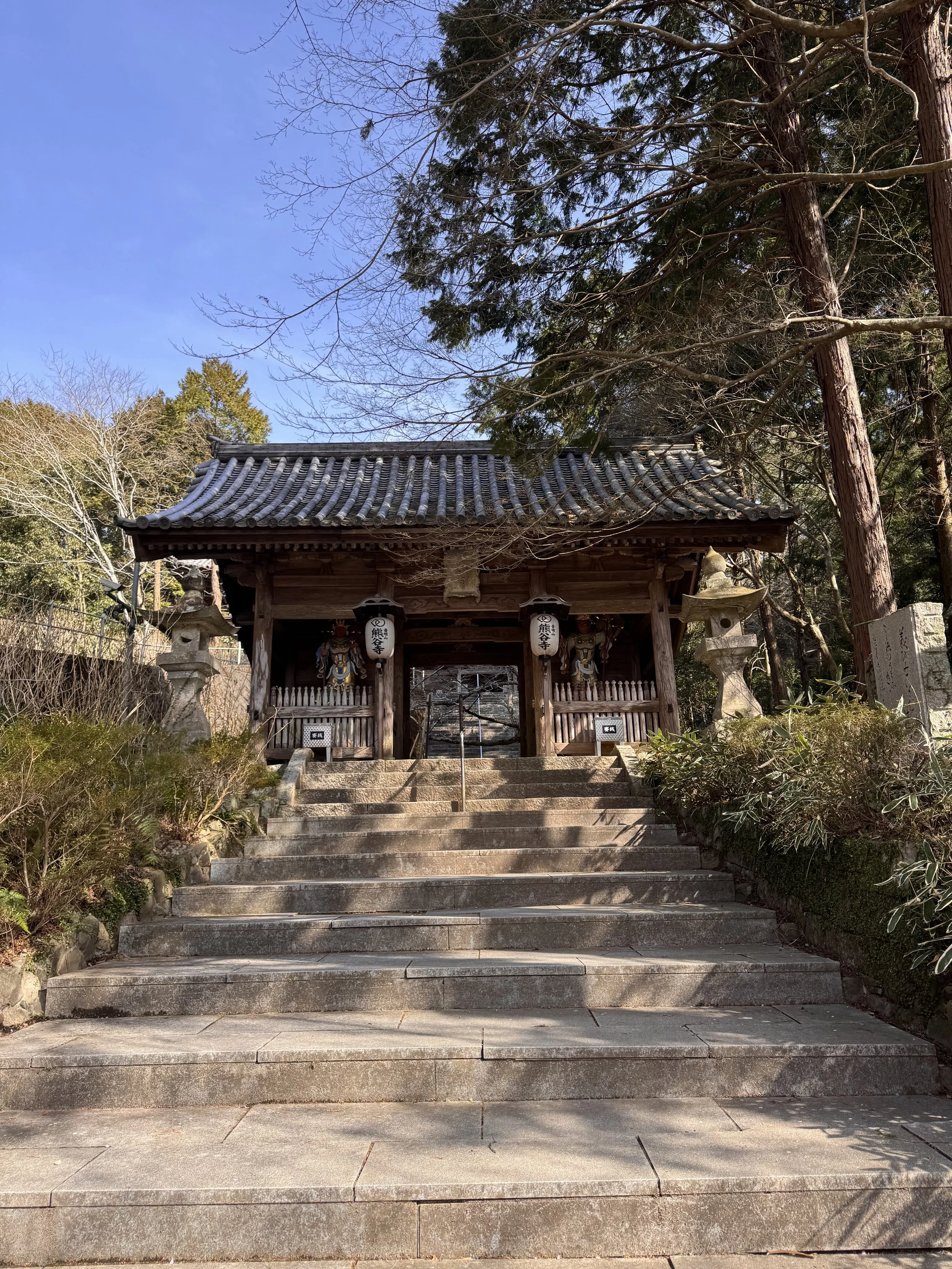
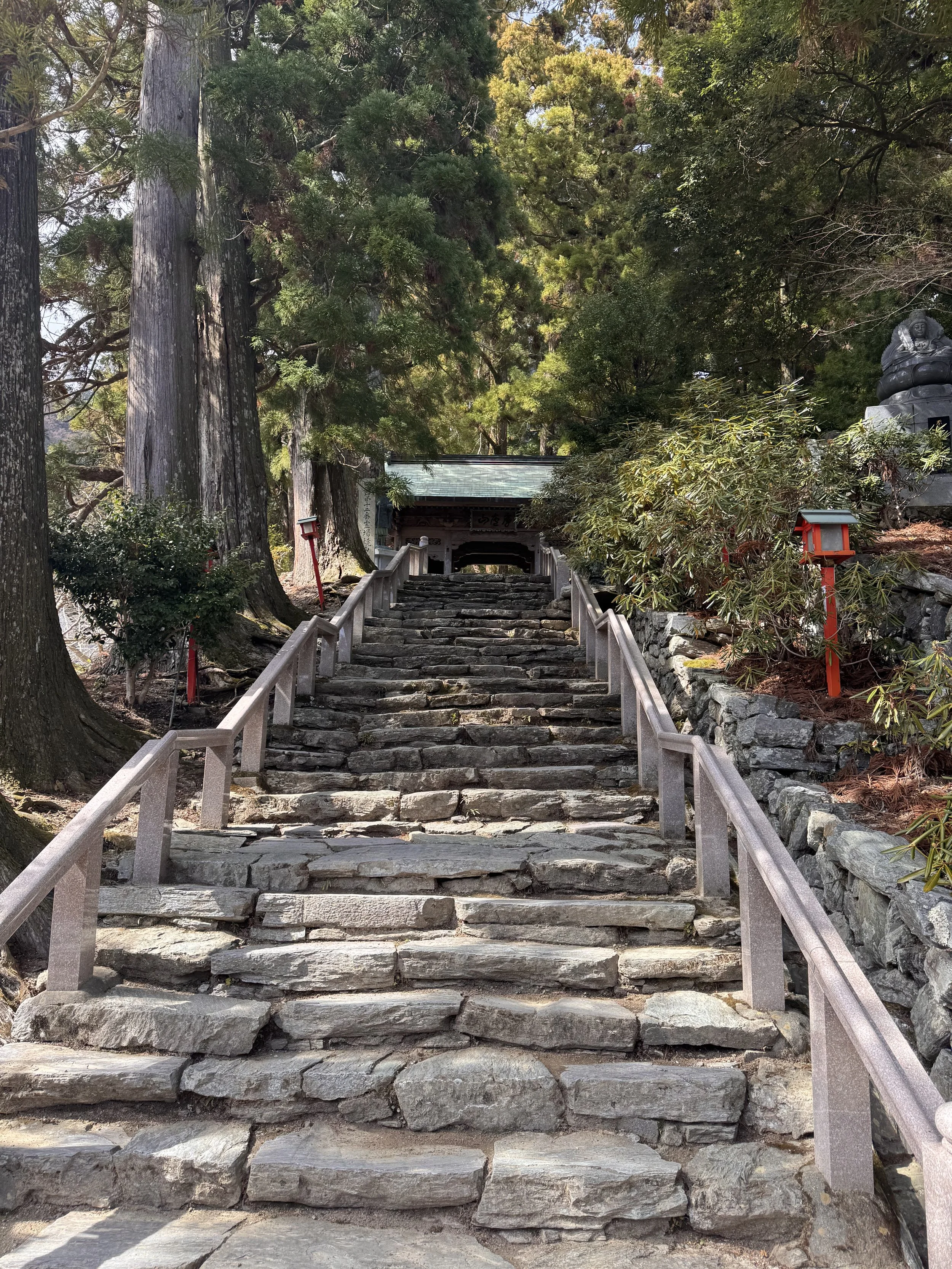
The next day I visited Temples 7 to 10. Both Temple 8 and Temple 10 were early highlights, as each had a serene and calming atmosphere. The former was surrounded by blossoming cherry trees, while the latter was built against a mountain slope. To reach it I had to climb an unhealthy number of stairs, but once I arrived it was well worth the effort. After this, I made my way across the Yoshino River to my hostel, where I could mentally prepare for the first real challenge the next day.
Day three brought me to the first of the henro korogashi, which translates roughly to “where pilgrims fall down.” The mountain path from Temple 11 to Temple 12 is notorious for being steep, treacherous, and seemingly never-ending. A returning pilgrim I met during these first few days seemed very nervous and told me he had struggled a great deal here on his first pilgrimage. I was prepared for the worst, but in the end it was very manageable. While there were some particularly steep sections—and indeed the bends and turns kept coming—I made my way up the mountain in a little over four hours. The sight of the temple was very welcoming after the climb, as was the bowl of udon served at the small restaurant nearby. The hostel where I could get some much-needed rest was luckily not far away and included a nice trip to the local onsen.
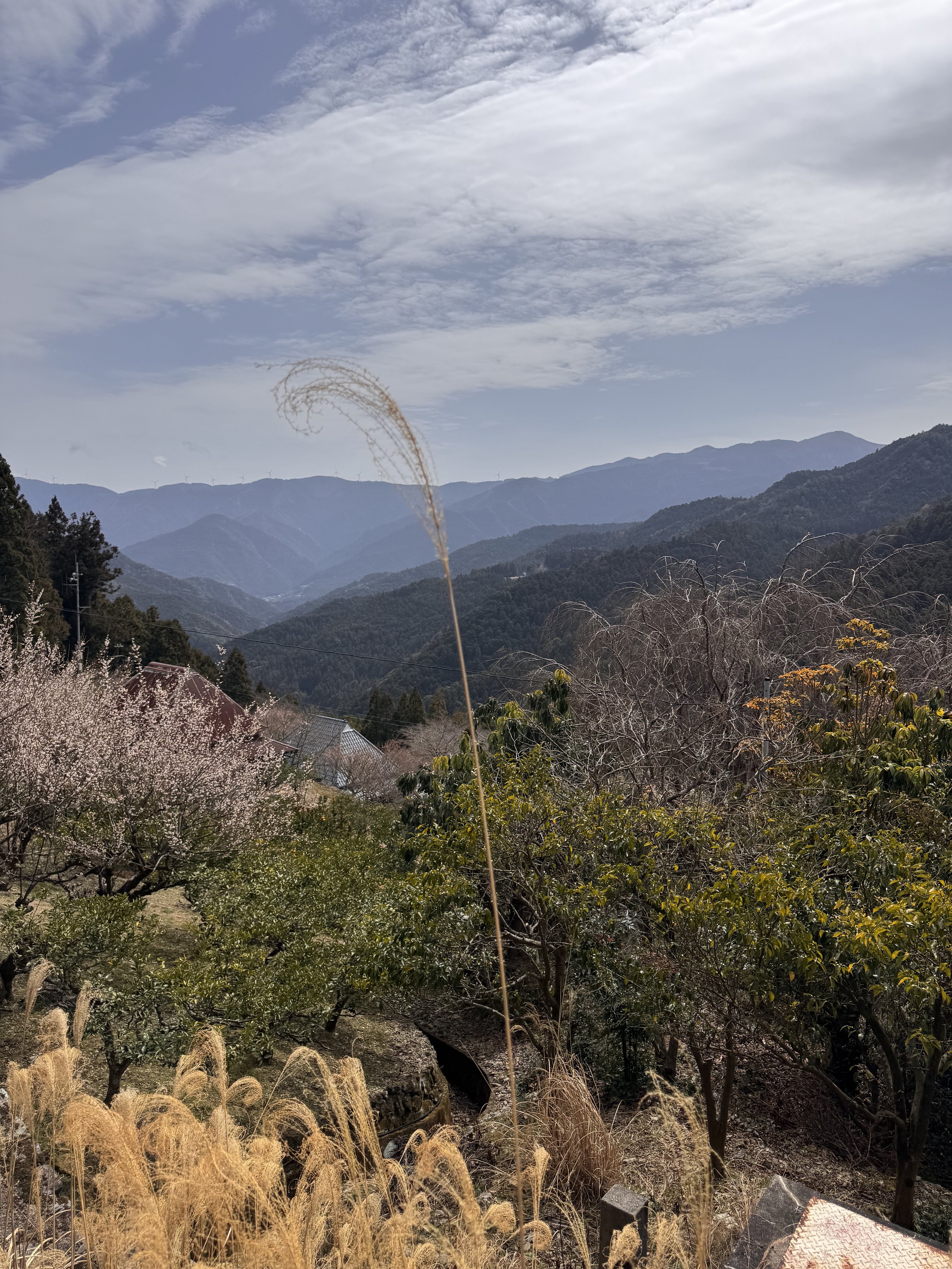
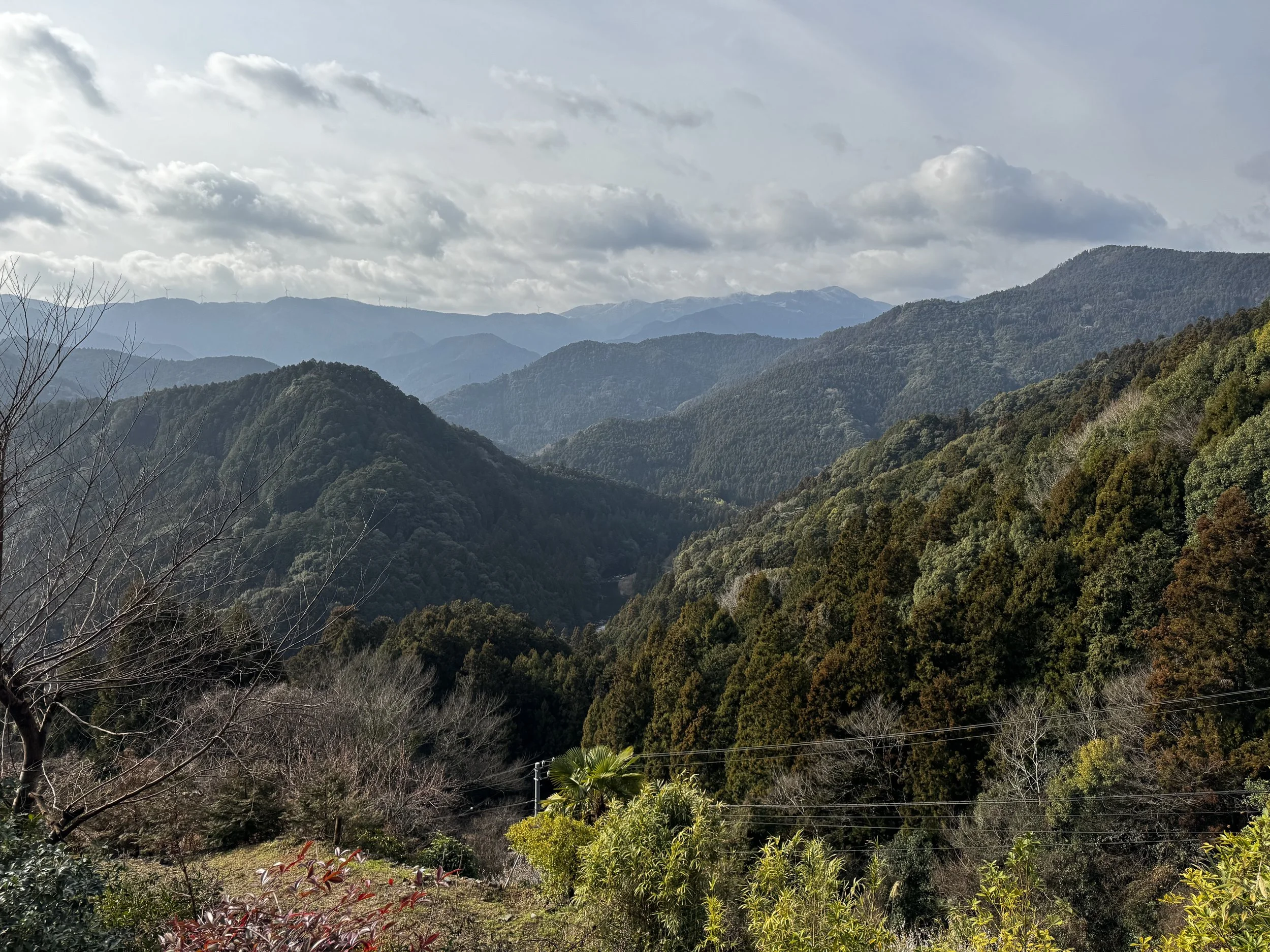
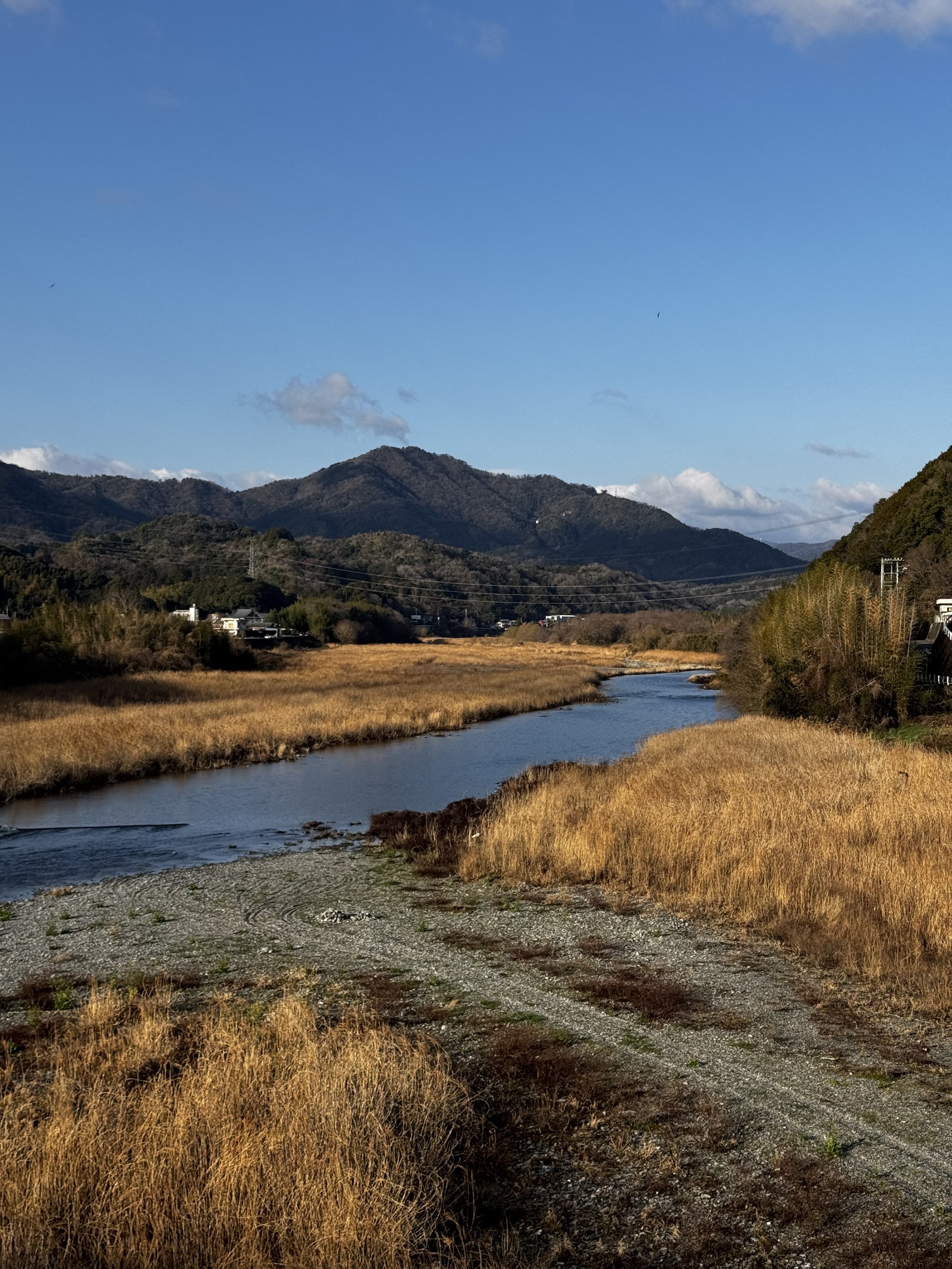
Day four was a very relaxing hike of about 20 kilometers, mostly downhill and taking me past some stunning vistas and scenery. The route to Temple 13 follows backroads along the Akui River, mostly deserted except for the occasional car, especially on the weekend. While my ryokan for the night was next to Temple 13, I decided to continue on to visit Temple 14 as well, since it was only 2.5 km farther. The ryokan (Myosin) itself was a bit of a “special” place, having probably seen better days. It was run by a man in his eighties who was still going strong but both his hearing and eyesight weren’t great, which is kind of important when keeping things tidy... The room itself was perfectly fine, though—so no complaints there.
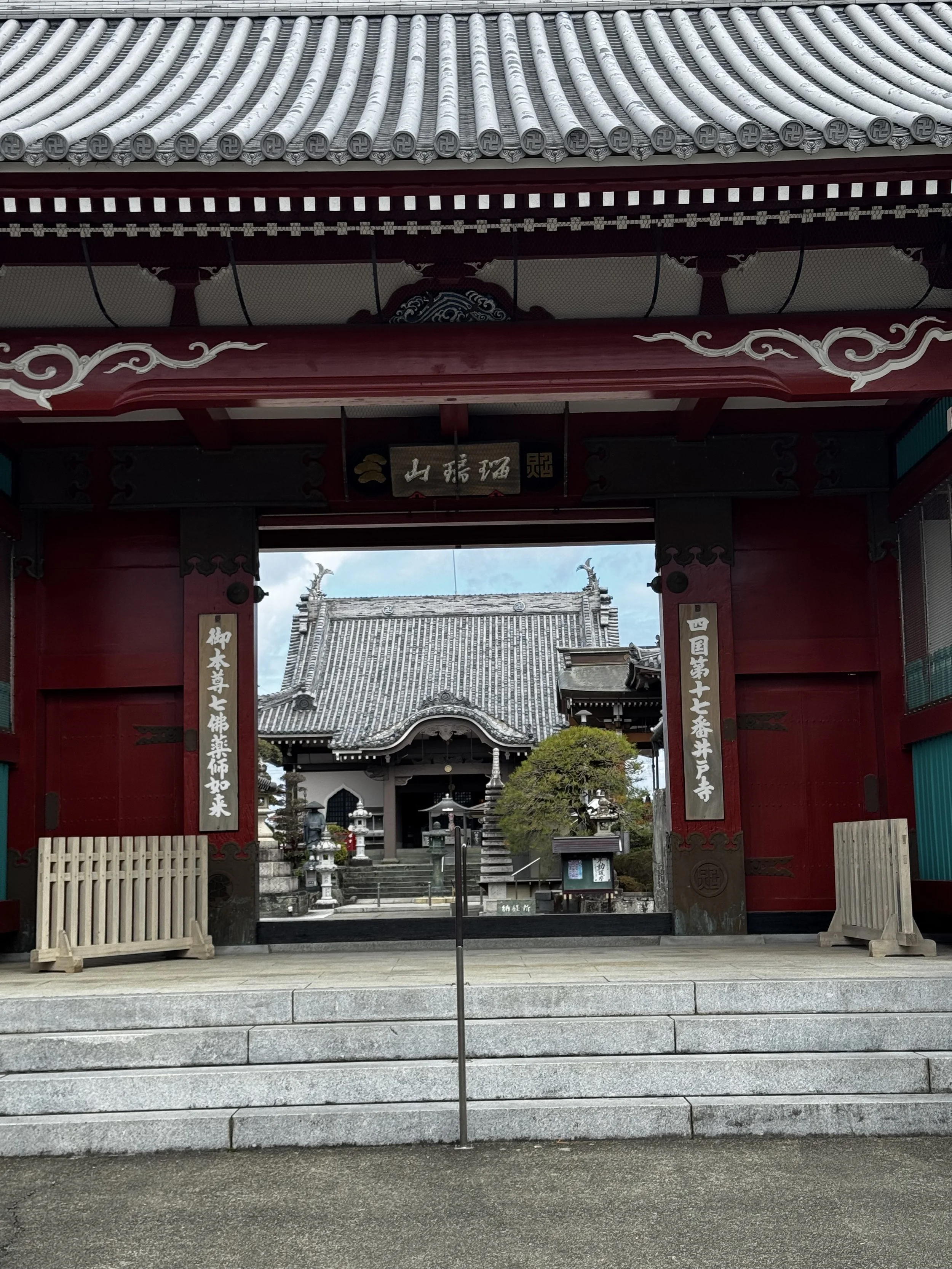
For the fifth day (and final day for this post) I kept the distance to only 15 kilometers. Visiting temple 15, 16 and 17 in the morning and ending at Tokushima station where I checked into the JR hotel Clement in the afternoon to do a bit of laundry and take some much needed rest. During the hike the scenery changed quickly from fields full of cabbage and daikon on the outskirts of Tokushima, to suburban areas and finally a city full of appartement buildings and shopping centers. Not my favorite part of the journey so far but there will be more legs like this.
And that is the first 90 kilometers of my Shikoku journey. So far I’ve visited 17 of the 88 temples, climbed a mountain and encountered many like minded people on the way. For now I’ll leave it at that. To all those walking the trail with me I say: Ganbare Henro!