Pilgrimage epilogue 2 - Gear musings
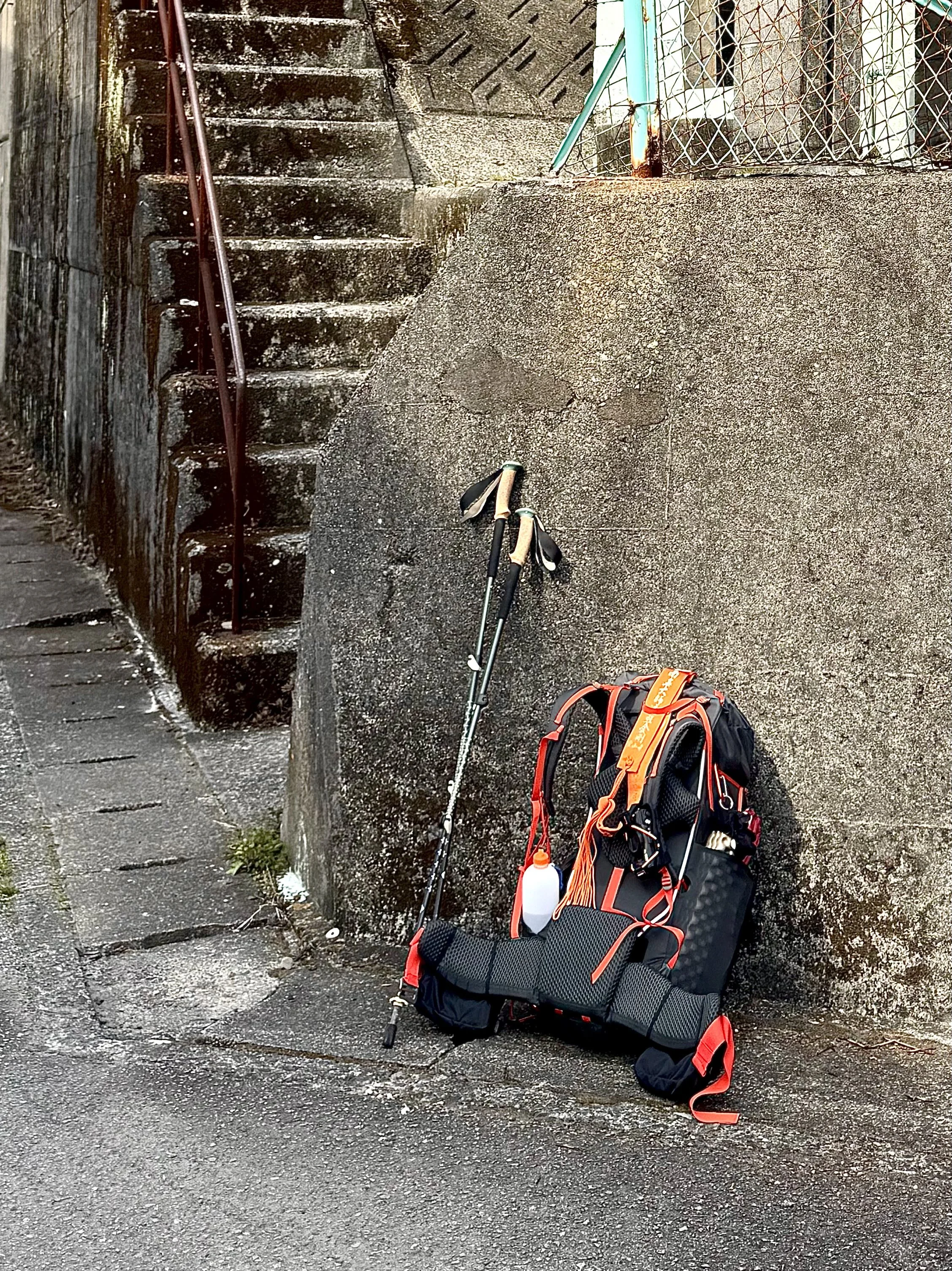
In this second part of my afterthoughts on the pilgrimage, I want to reflect on the gear I brought, how it helped or impacted my experience, and what I would have done differently. Before I started out, I had certain ideas and expectations about what gear I would need, but you never really know whether those are based on your actual needs or on what you’ve read that you might need.
First off, I really regret bringing camping equipment and eventually decided to send it back home—which cost quite a bit of money, by the way—due to it not being used enough. And I was not the only pilgrim who did so after a couple of weeks on the trail. I would recommend that anyone thinking of bringing a tent and sleeping system carefully consider the necessity. Are you bringing it because you are afraid of not having a place to sleep, or is it a budgetary issue? Are you expecting a wilderness hike where you need camping gear to survive? The latter is definitely not what this pilgrimage is about.
For myself, budget was not an issue, and I think I simply expected something different from the pilgrimage beforehand: more of a solitary and rugged outdoor hike. In reality, one of the best things I experienced was the many henro houses, minshuku, and shukubō where I stayed. The people running them, as well as the other pilgrims I met, were a real highlight of the adventure. I can definitely say that my experience would have been far poorer if I had spent every night by myself in a tent. Some very meaningful encounters and conversations would have been missed, and my pilgrimage would have been less for it.
Besides the social aspect, even the lightest camping setup will add a couple of kilos to your pack, and believe me, you will feel it in the long run. I would also argue that Shikoku is not really set up for camping pilgrims. Yes, if you want to, there is always somewhere to pitch your tent, and people will generally accommodate you. But ask yourself whether that spot is actually meant for camping and whether people are not simply being polite, as the Japanese tend to be. Anyway, those are just my thoughts (and regrets) on the topic.
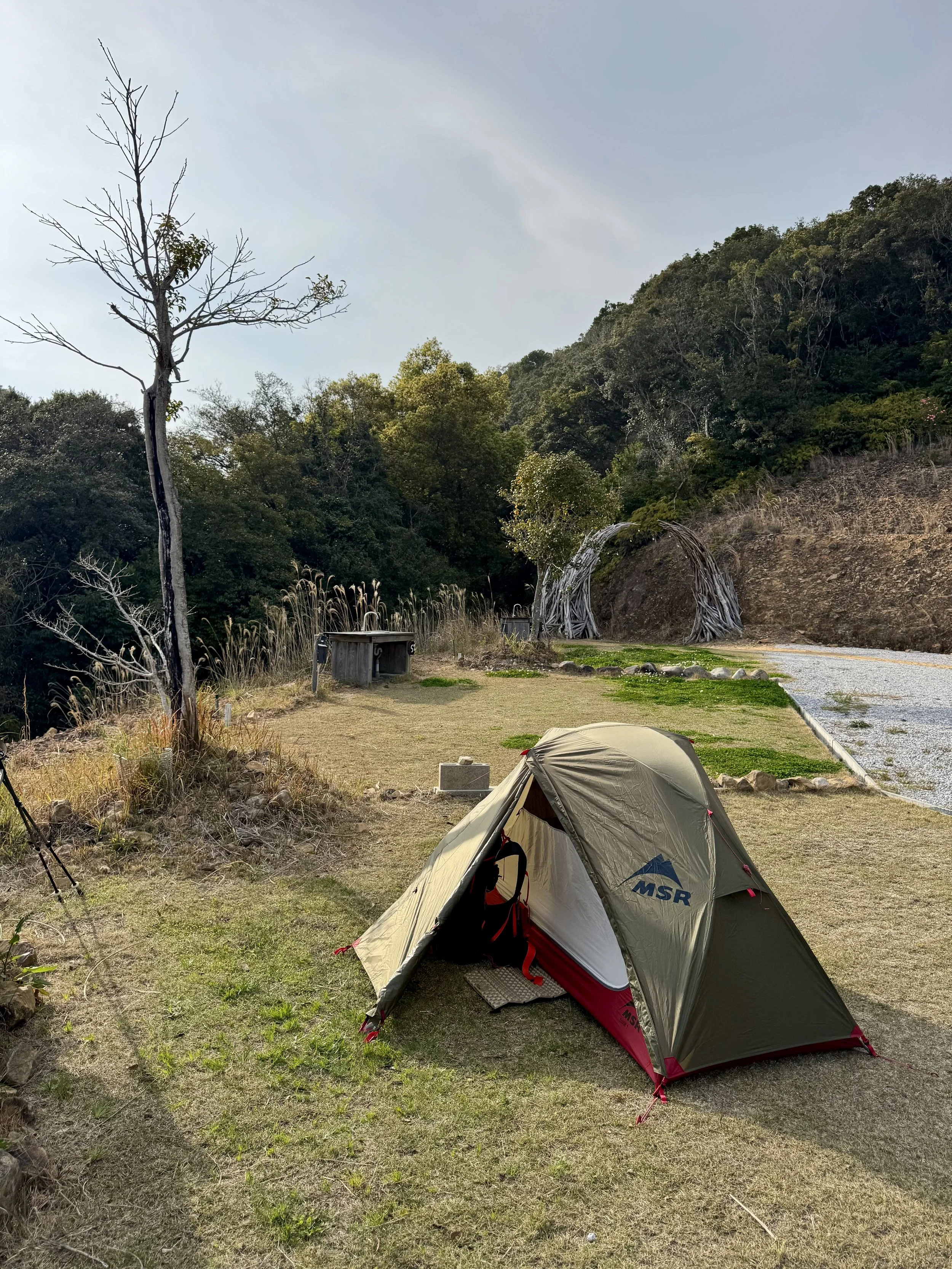
One of the few times I camped out
On to the topic of footwear. I opted for trailrunners instead of hiking boots, as they are much more comfortable and flexible. I don’t regret this decision but it did mean that my shoes needed to be replaced about halfway through the pilgrimage. There is a lot of asphalt and concrete on the trail and this will wear out the soles quite quickly. Most henro I met were either carrying a second pair, planning to have a new pair shipped to them, or hoping for the best—similar to myself 😅. I was luckily able to do a shoe swap in Matsuyama and highly recommend T-Mountain, a store that specialises in high-quality lightweight hiking and camping gear. It is one of the only stores on Shikoku that I encountered that sells brands such as Altra, Topo, Black Diamond, Gossamer Gear, MSR, CNOC, Rab, and others. There are also several large Montbell stores in cities across Shikoku that can meet most footwear and gear needs.
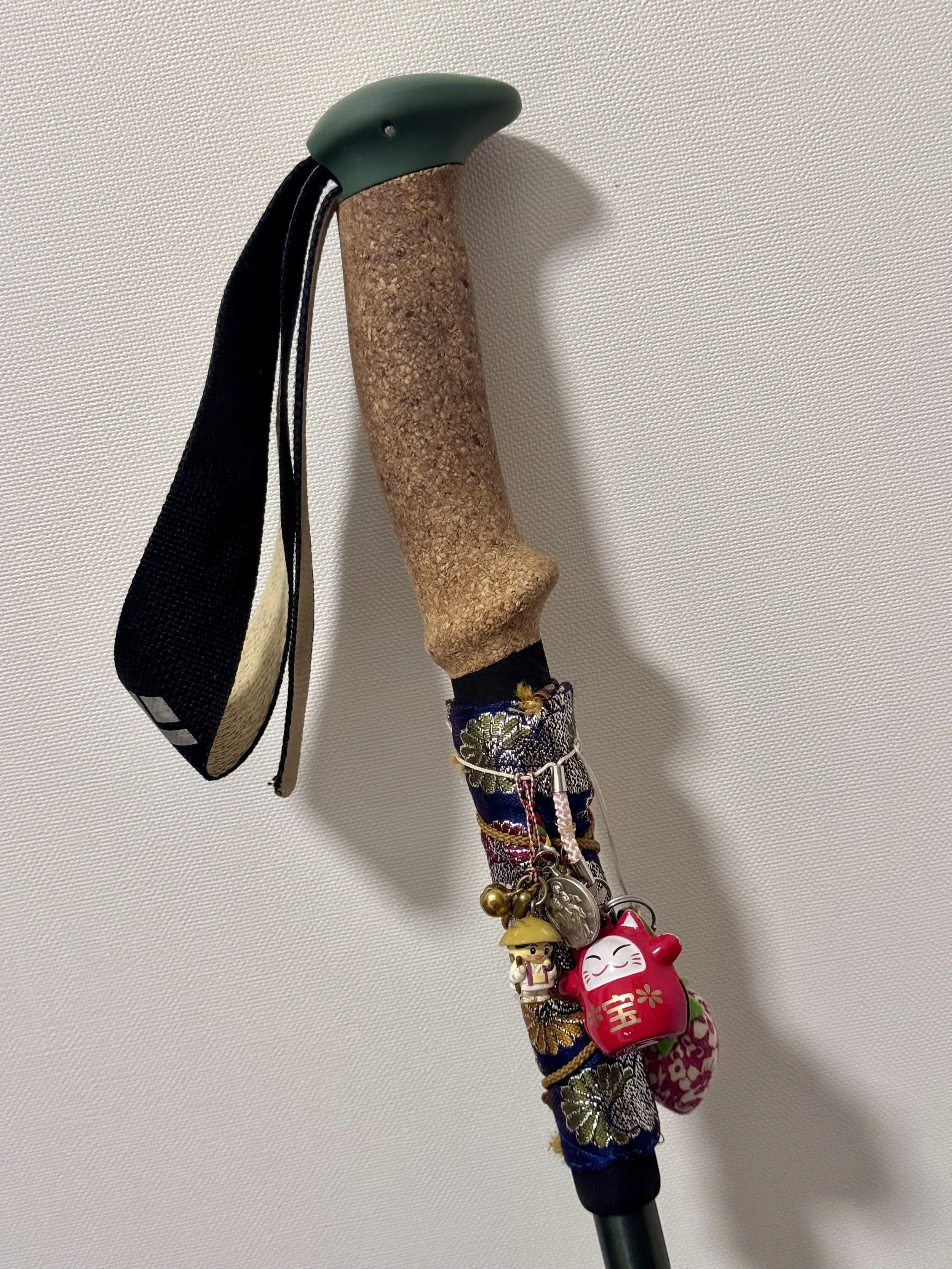
My Black Diamond hiking poles deserve a separate mention because they were literally lifesavers. There were so many tricky mountain paths alongside dangerous drops where they helped me keep both my balance and my nerves in check. Most henro walk with a Kongō-zue walking stick, which represents Kōbō Daishi walking beside them. My right hiking pole gradually became my Kongō-zue, complete with all the decorations and several good-luck charms I was given along the way. The worn-down rubber tip is something I will cherish for the rest of my life, as it carried me for over 1,200 km and touched every part of the pilgrimage. I plan to have it encased when I return home 😌.
Some things I brought with me that I considered luxury items—and perhaps a bit overkill—actually turned out to be extremely useful. My little cork massage ball helped loosen muscles, relieve trigger points, and prevent foot pain. The Exped camp slippers were used almost exclusively indoors, as most of my accommodations provided slippers that did not fit me. I can tell you from experience that squeezing your feet into plastic slippers three sizes too small is not recommended after hiking long distances 😅. A last-minute addition, a small Bluetooth speaker from JBL, has now accumulated hundreds of hours of playtime. Putting on some familiar tunes helped ground me amid the constant changes in accommodation and surroundings.
The rest of my gear performed very well and lasted throughout the entire journey. Socks needed mending a couple of times. Shirts were washed and dried a few times too many, shrinking to the point where they no longer fit. Other than that, I think I made solid choices. Of course, what a pilgrim truly needs is highly personal. In the end, you can get by with little more than a change of clothes, your wallet, and your passport, as many of the more experienced Japanese henro demonstrate.