Pilgrimage epilogue 1 - Was my body ready?
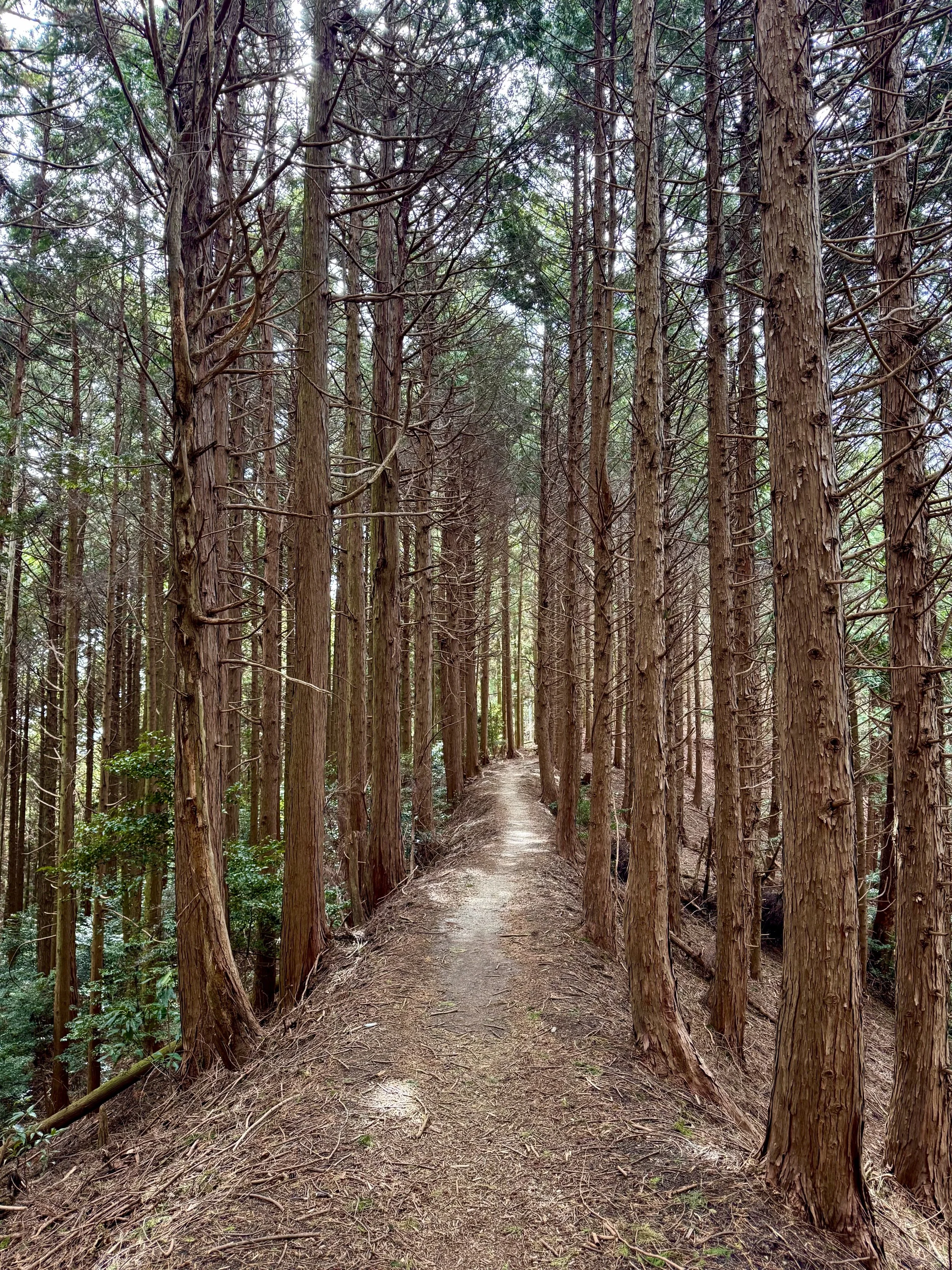
Almost a month after finishing the Shikoku pilgrimage, my feet are still slightly numb of pounding many kilometers of concrete and asphalt. While travelling around Japan and Asia afterwards, I’ve had plenty of time to reflect on my pilgrimage. Both on a practical level, and on what it meant to me personally, mentally, and spiritually.
I decided I would need more than one blog entry to describe my takeaways and feelings. I’m not yet sure how many parts I will divide it into, but considering I wrote eight preparation entries, let’s see how many words I will need. This first part will focus on the physical aspects of the experience.
As I described most of my physical preparation in my earlier posts, was this training sufficient? I would say it mostly was, but in hindsight, I would have added a lot more elevation training. As someone from a very flat country—the highest point in the Netherlands is only 322 metres—the constant elevation changes on the trail were tougher than I expected or had prepared for. Not just the steep mountain sections, but most of the pilgrimage route involved some kind of uphill or downhill slope. And I can tell you that a hiking day of 30 km feels very different with even a slight increase in elevation. In the end, I do think my preparation helped a lot in making my journey more enjoyable, especially during the first phase.
As far as injuries or physical discomfort are concerned, I have the following to say. I previously described how I twisted my ankle early on. This really made me rethink my approach to the amount of distance I could realistically walk without becoming too tired. While my overall stamina wasn’t really an issue, my legs and back becoming overly strained made injury more likely. I quickly adjusted my plan from walking approximately 30 kilometres per day to around 20. After ditching my camping gear and losing about 4 kilos, I could comfortably increase this to 25 kilometres per day. I also noticed that after about two weeks, my body became more accustomed to the constant strain and elevation changes.
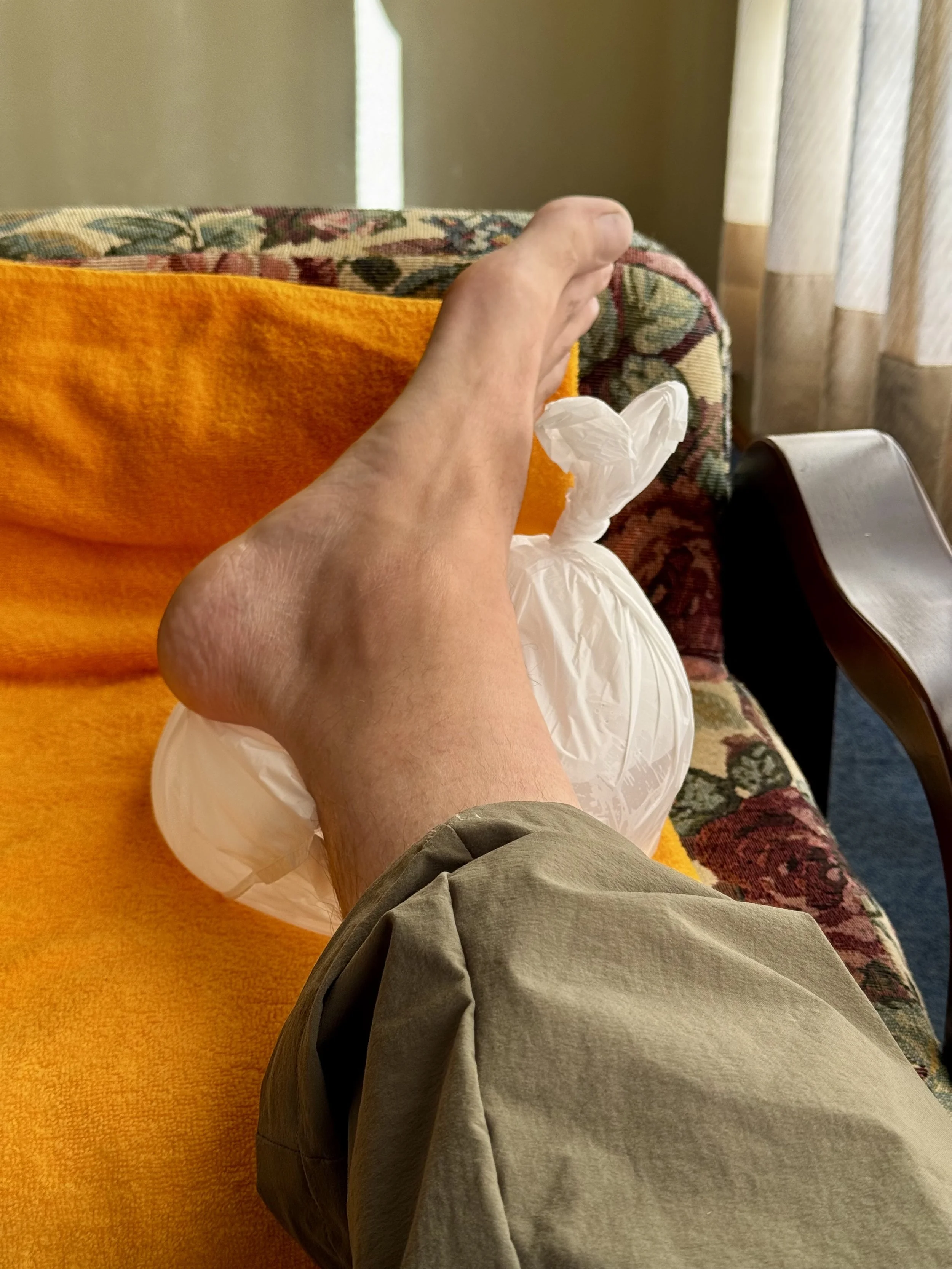
Icing my ankle after twisting it
Preventing injury also became a daily focus. I started and ended most days with stretching exercises and used a massage ball I had brought to roll out my muscles and trigger points. The stretching was, however, limited by the amount of space I had in my room. This was one reason I started preferring Japanese-style rooms (washitsu) with tatami mats and futon bedding over Western-style rooms.
I also became more creative with the weight I carried when climbing the steeper mountains. I would leave my backpack at a nearby accommodation or book several nights in one place so I could climb without the heavy pack weighing me down.
Lastly, I became addicted to onsen to heal my feet, legs, and back—but I already wrote a dedicated blog post about this specific preventative measure 😅
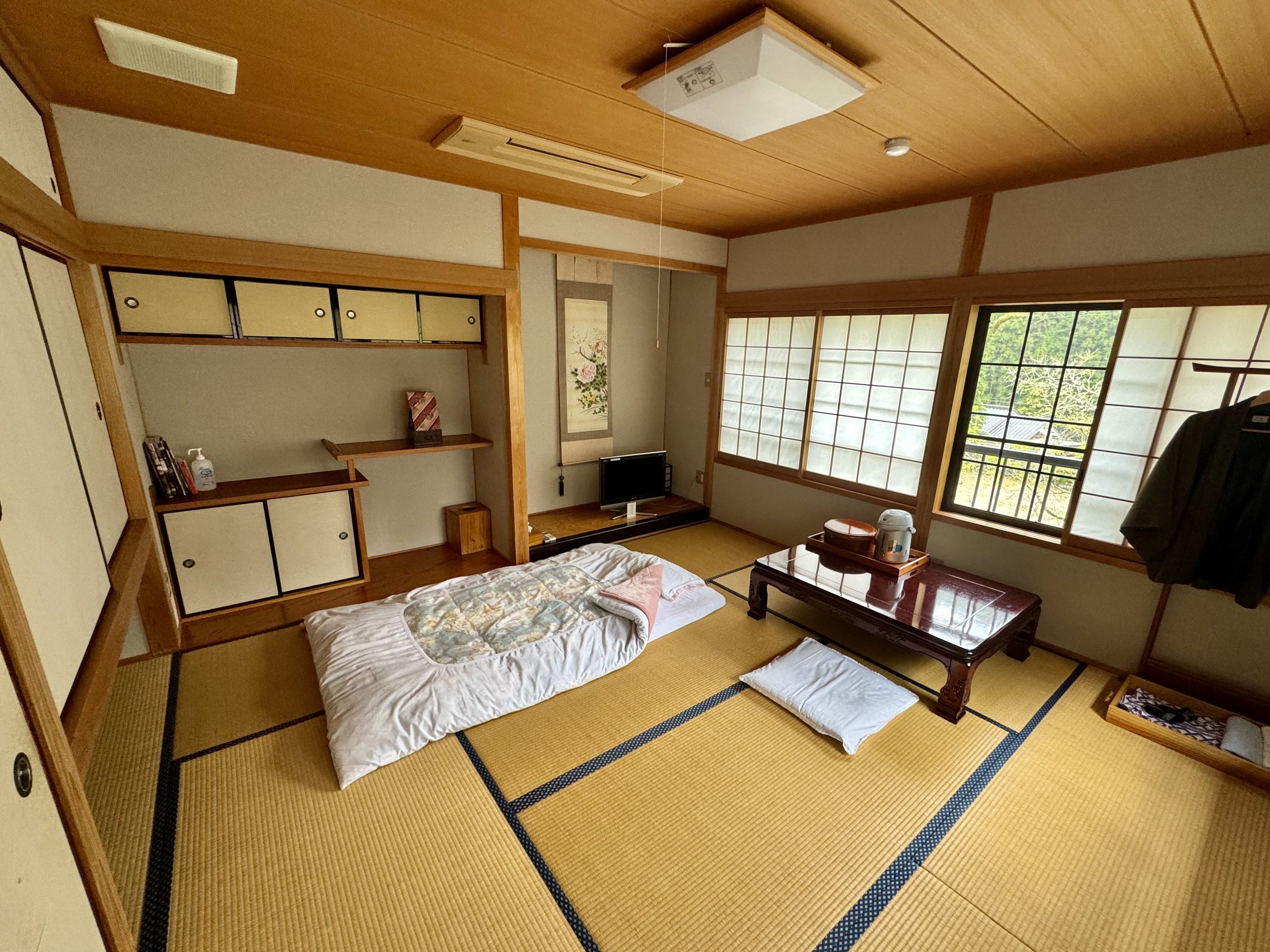
A washitsu has lots of space for stretching
Most of the physical problems I experienced were expected and couldn’t really be prevented. They were all related to my feet and lower legs and were almost always caused by going too many days without proper rest. I rarely suffered from blisters, and I thank my toe socks for preventing them. After switching from my New Balance shoes to the Altra Olympus 6 at the halfway point, I didn’t suffer any blisters at all thanks to the wide toe box.
After finishing the pilgrimage, I did notice that the bottoms of my feet and some of my toes were a bit numb. Hopefully, the sensitivity will gradually return over the coming weeks.
One final thing I noticed, and which is worth mentioning, was the immediate weight gain after I stopped walking long distances. My body seemed to try to store as many calories as possible after immediately burning through most of the fuel it was given during the pilgrimage. I read that this is quite common after long-distance hiking, though. It still surprised me that I could gain 3 kilos in just a week 😅
After all is said and done, I do believe the pilgrimage can be enjoyed by anyone in decent physical condition. As long as you take your limitations into consideration and train for a couple of months in advance, you should be fine. The pilgrimage eventually teaches you something simple: your body adapts, your pace follows suit, and the journey continues anyway.