From coast to Kōchi
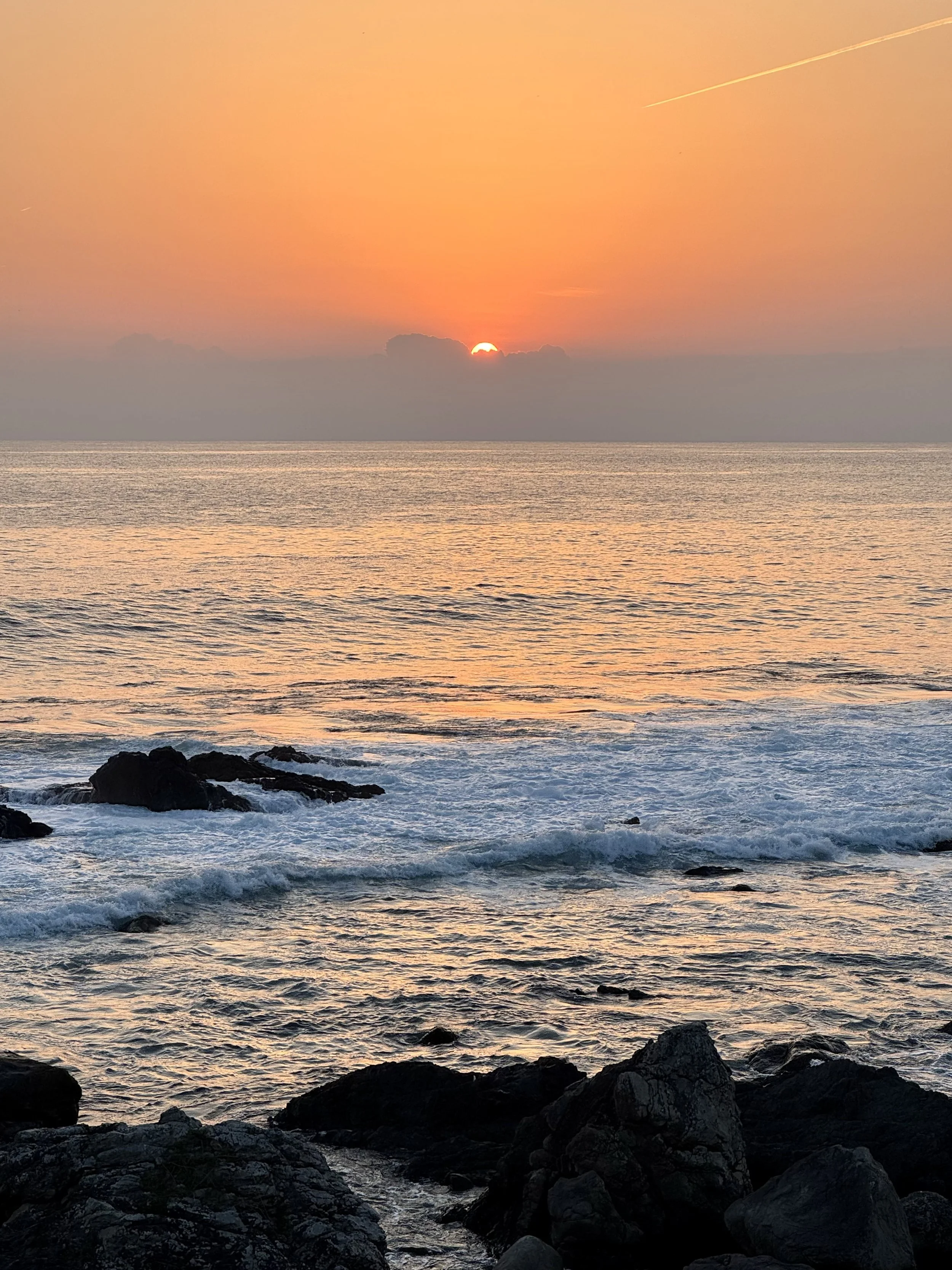
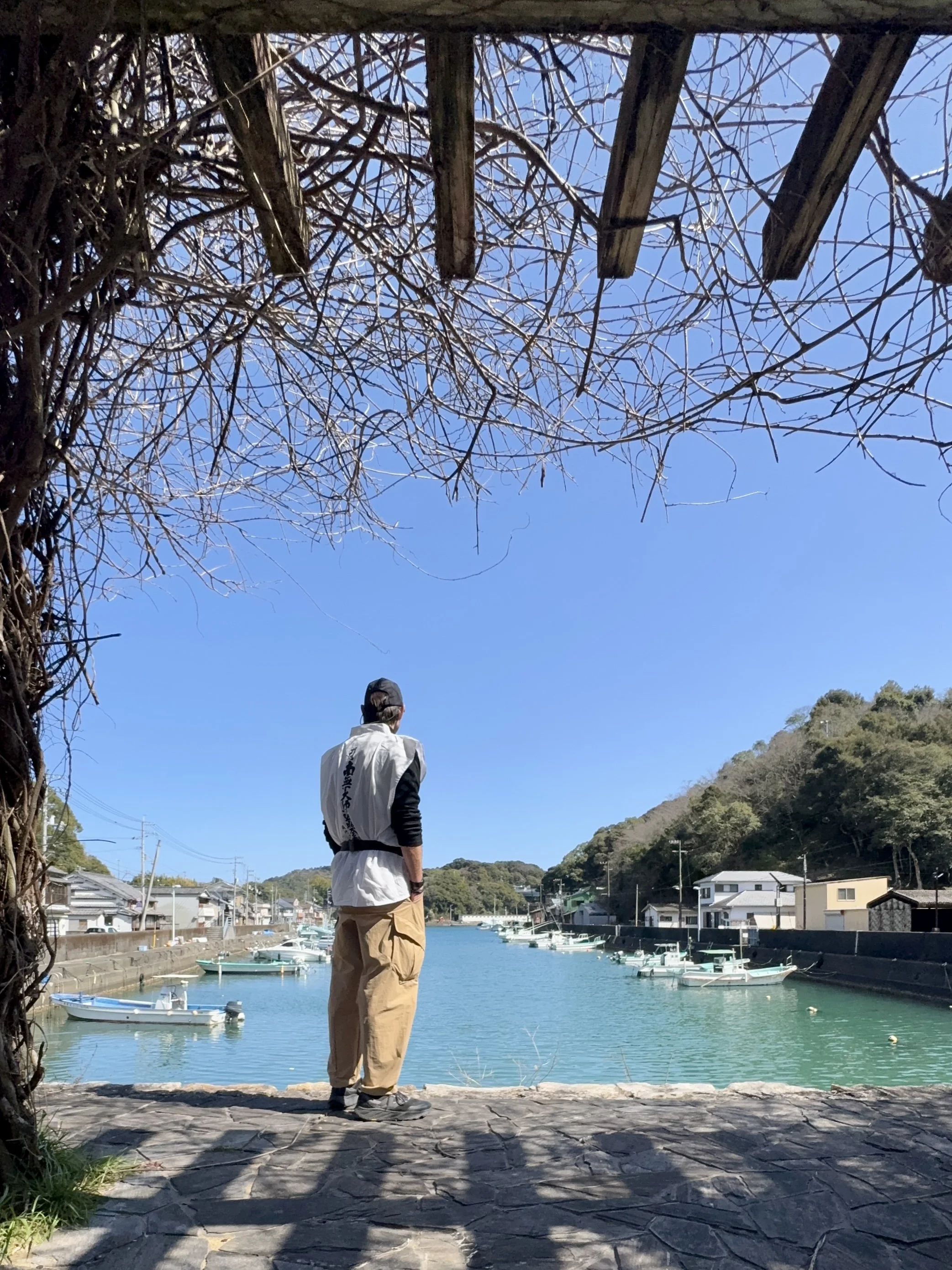
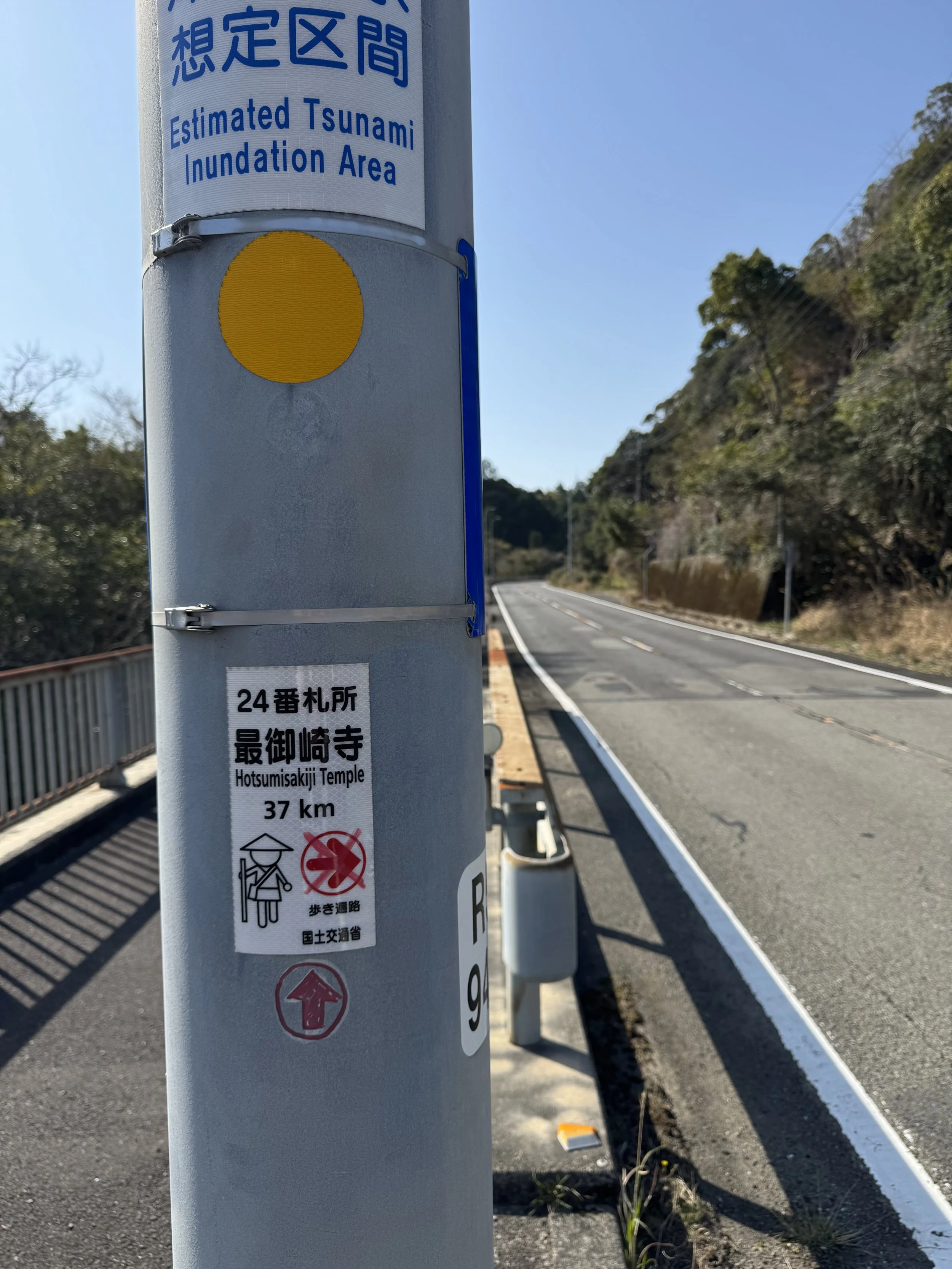
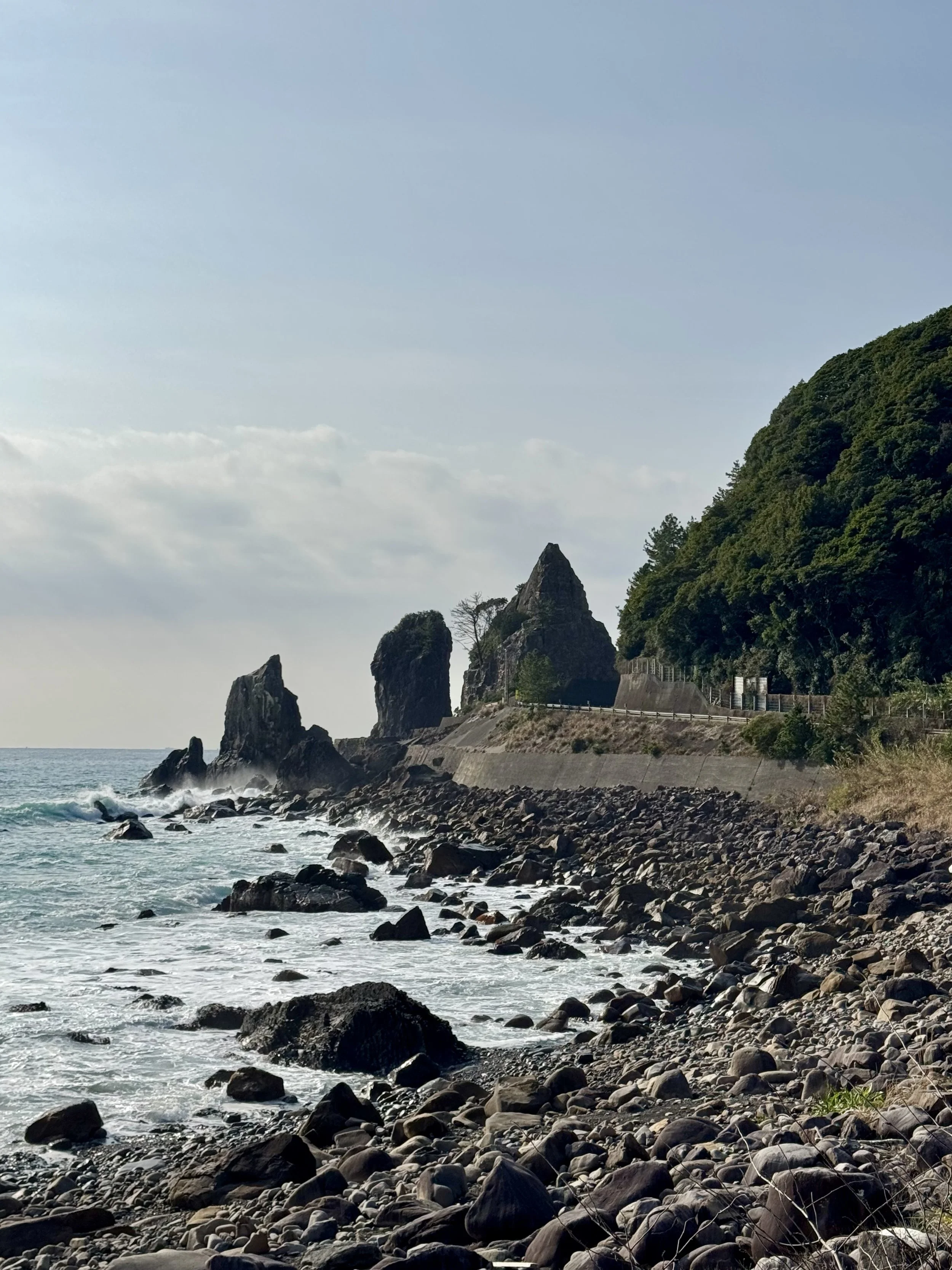
On March 14th—after a very nice day of rest and relaxation in Hiwasa—I started the Shugyō(training) stage of the Shikoku pilgrimage. The first stretch, from Yakuō-ji (23) to Hotsumisaki-ji (24), is about 80 kilometers and mainly follows National Route 55 along the Pacific coastline, all the way down to Cape Muroto.
To avoid overdoing it, I split this long distance into four days, with hikes of about 20 km per day. However, I had to cheat a bit on the first day, as there were gusts of wind reaching around 80 kilometers per hour. My large backpack and I were getting thrown around like a leaf, so I took the train to Mugi and started again from there. By the afternoon, I reached my stay for the night on Ozuna Beach—a lovely camp and lodge right by the sea. I actually helped prevent a forest fire that night, as a reckless camper had let his campfire spread into the shrubbery. When I saw other campers struggling to douse it with trash cans filled with water, I handed them a large fire extinguisher I found in the lodge’s kitchen and triggered the fire alarm. Quite an eventful evening 😓
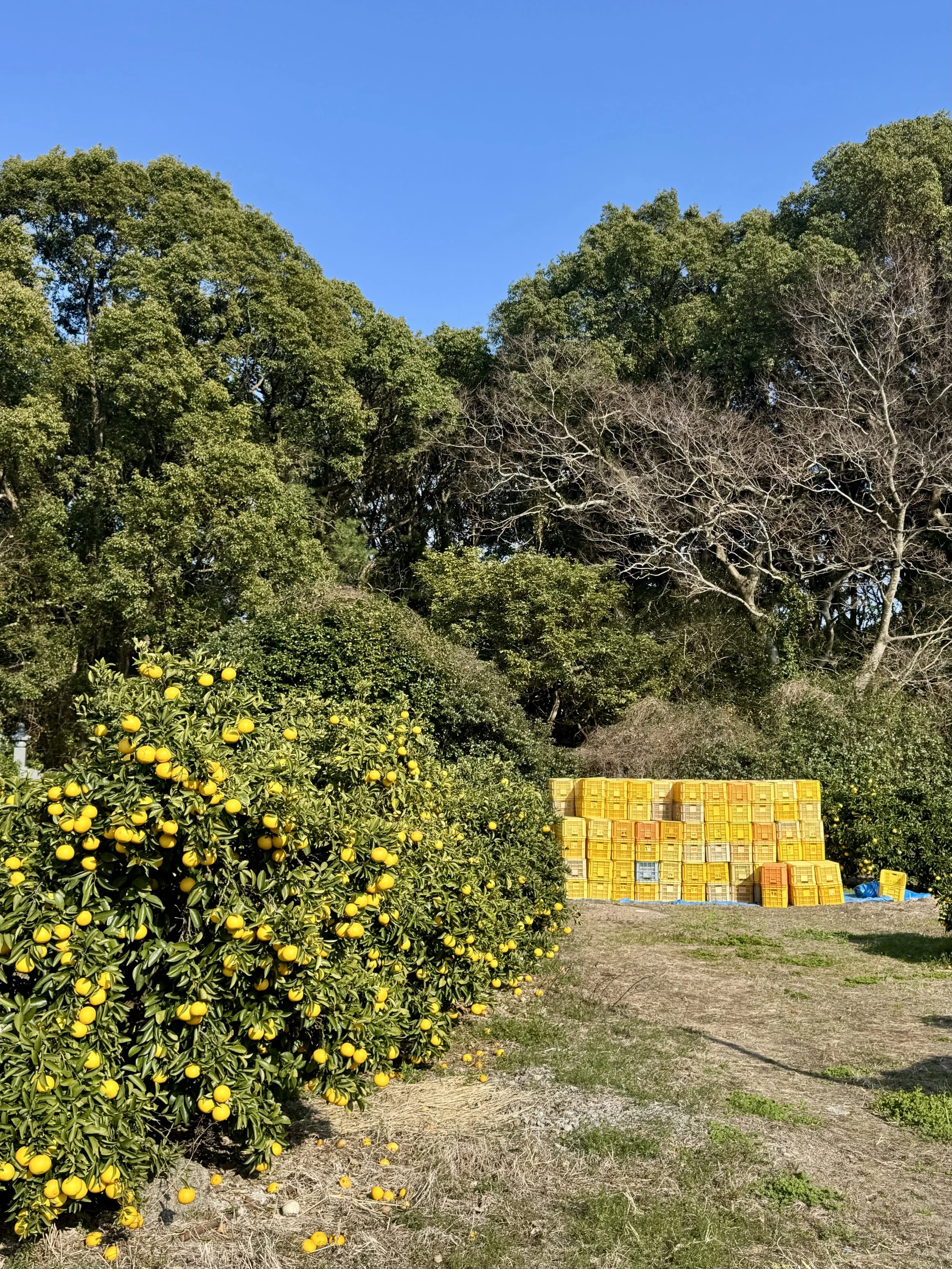
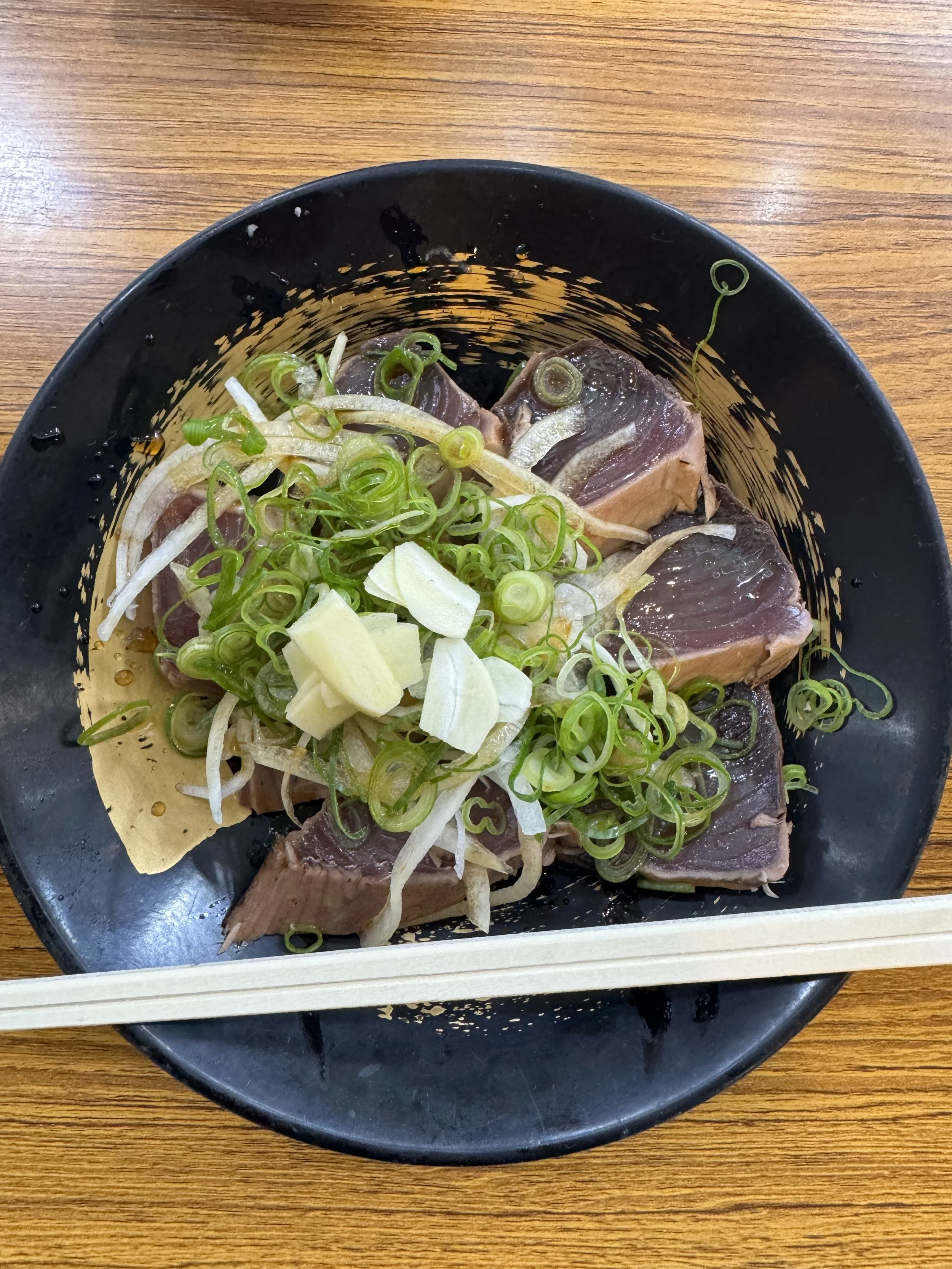
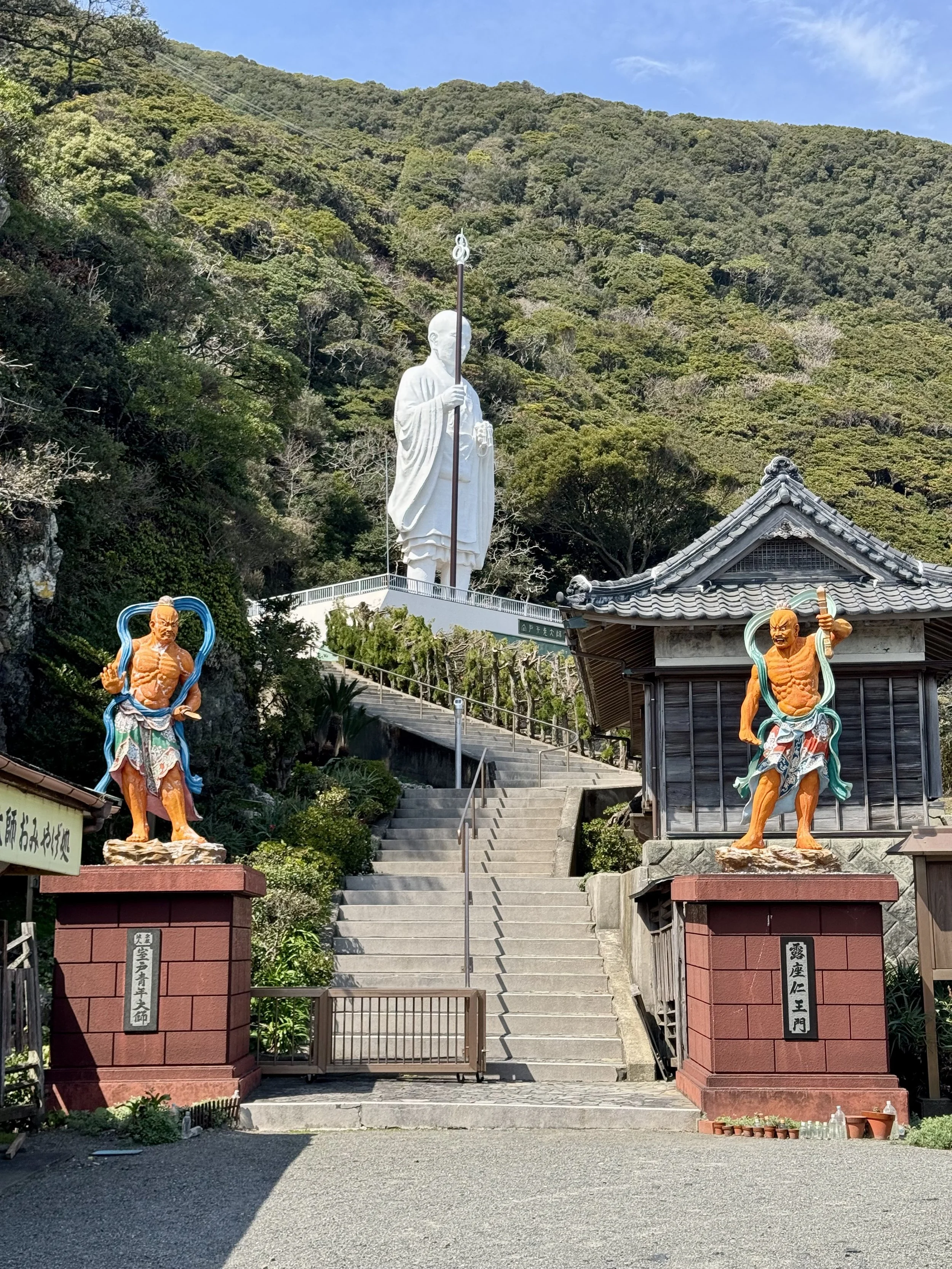
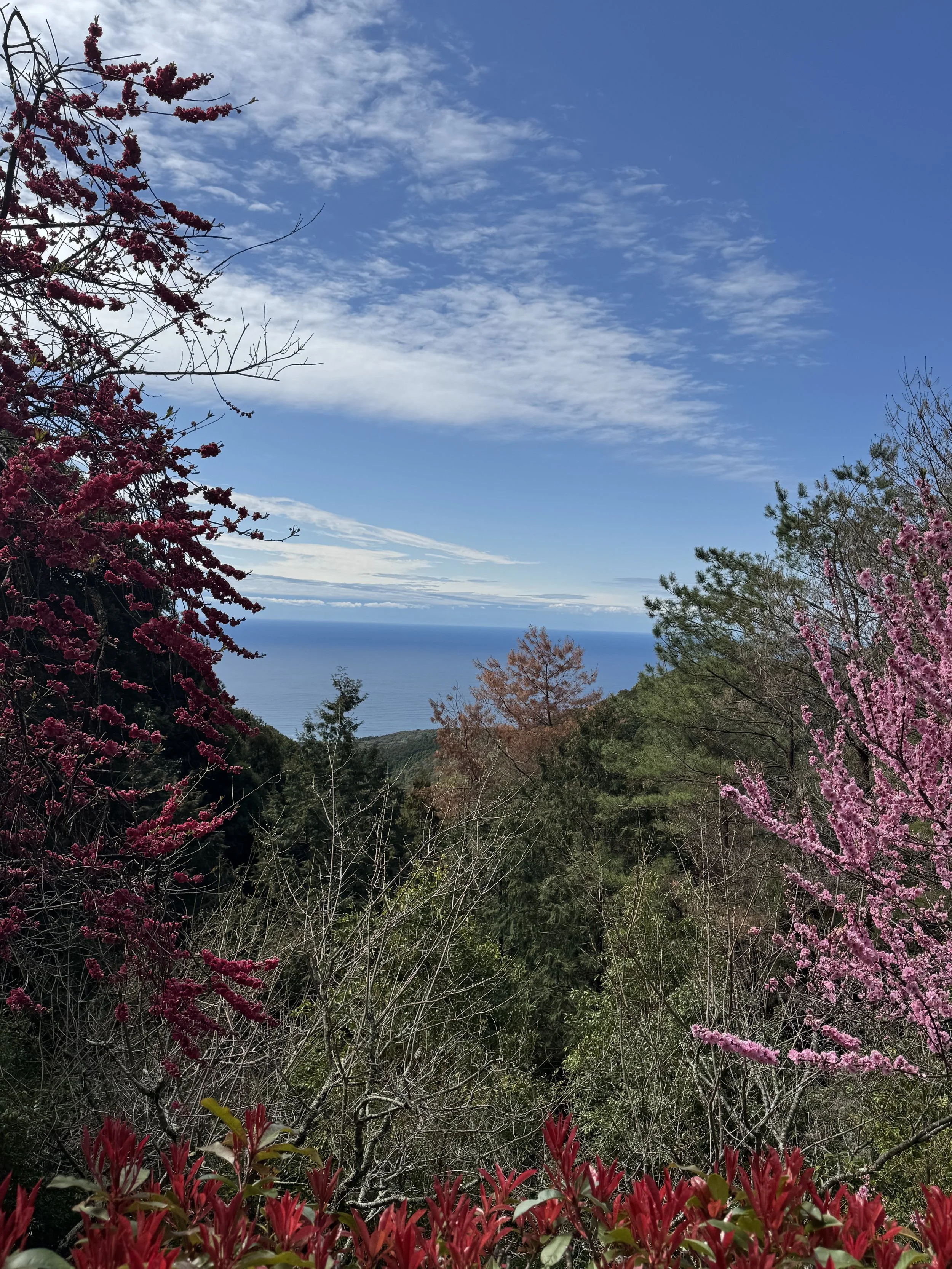
The next two days were somewhat repetitive, with long stretches of asphalt offering beautiful views of the ocean on one side and mostly mountainous wilderness on the other, interspersed with ever-shrinking villages. The farther south I walked, the more I left civilization behind. The usually ever-present convenience stores suddenly disappeared—no more Lawson, FamilyMart, or 7-Eleven to quickly stock up on calories. I spent several nights at family-run minshuku, enjoying lovely meals consisting mainly of fresh fish and local produce. On the fourth day, I finally reached Cape Muroto and, with it, the 24th temple: Hotsumisaki-ji.
On March 18th, I visited both Shinshō-ji and Kongōchō-ji (25 & 26). I miscalculated the distance and effort required for that day, as Kongōchō-ji involved quite a climb and descent. After that, I still had to walk another 20 kilometers to reach my homestay for the evening. I ended up covering over 35 kilometers that day, with 20 of those in pouring rain. The homestay itself was an experience. It was run by a chaotic Japanese lady who clearly meant well but was quite disorganized—figuratively as well as literally 😅 I ended up sharing a room with another henro. The room was next to her living room, where she entertained neighbors while loudly watching TV until about 11 p.m.
The next day brought another henro korogashi, a very steep climb up to Kōnomine-ji (27). This time, I was prepared. I left my heavy backpack at a nearby guesthouse, which made the climb much more manageable. The temple itself was a highlight, with beautifully maintained gardens and a koi pond surrounded by giant pine trees. After descending Kōnomine Mountain, I made my way to Aki, where I took the train to my final stop of the day—a luxurious spa resort with a wonderful outdoor onsen, which I felt I had more than earned.
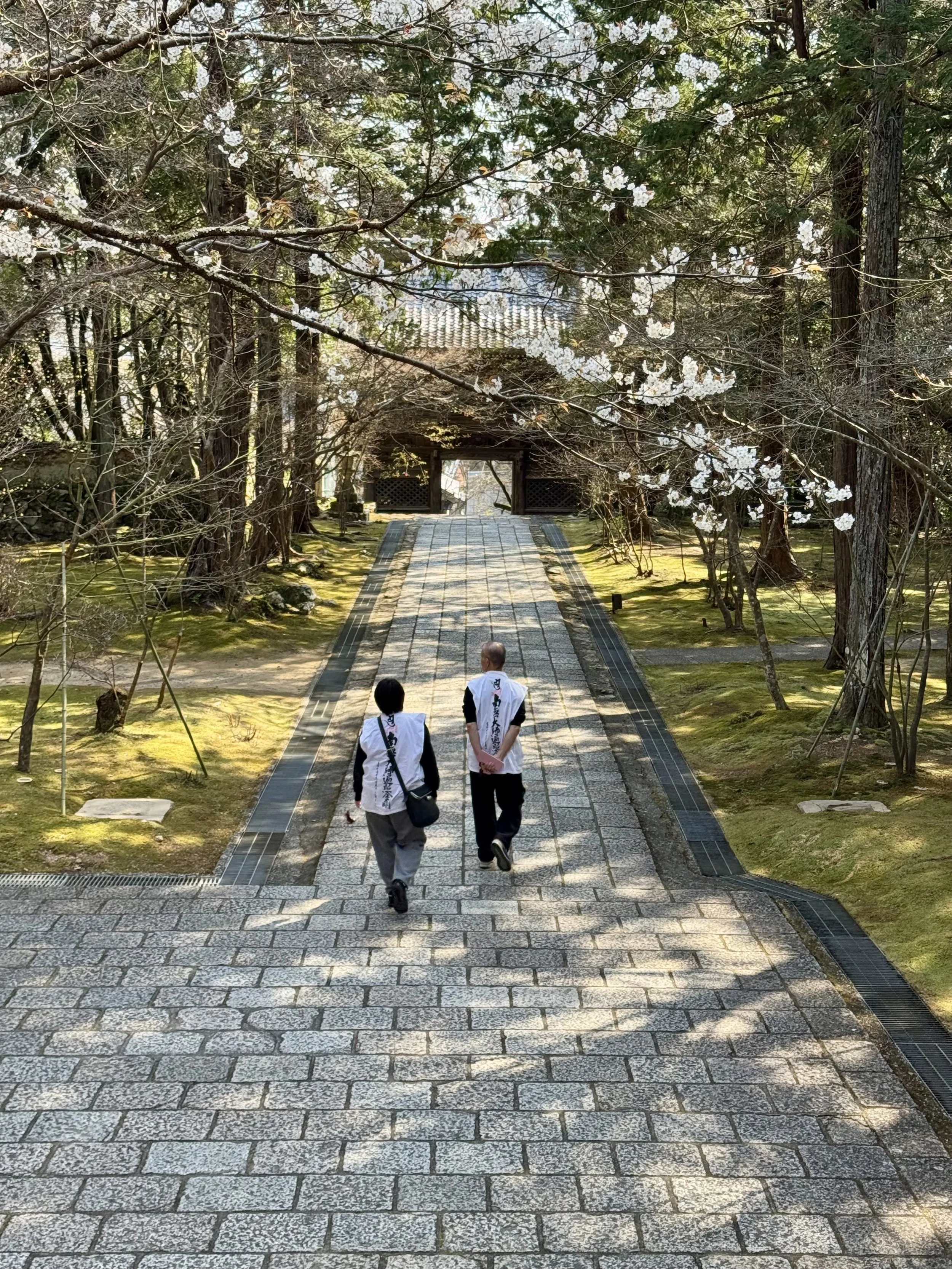
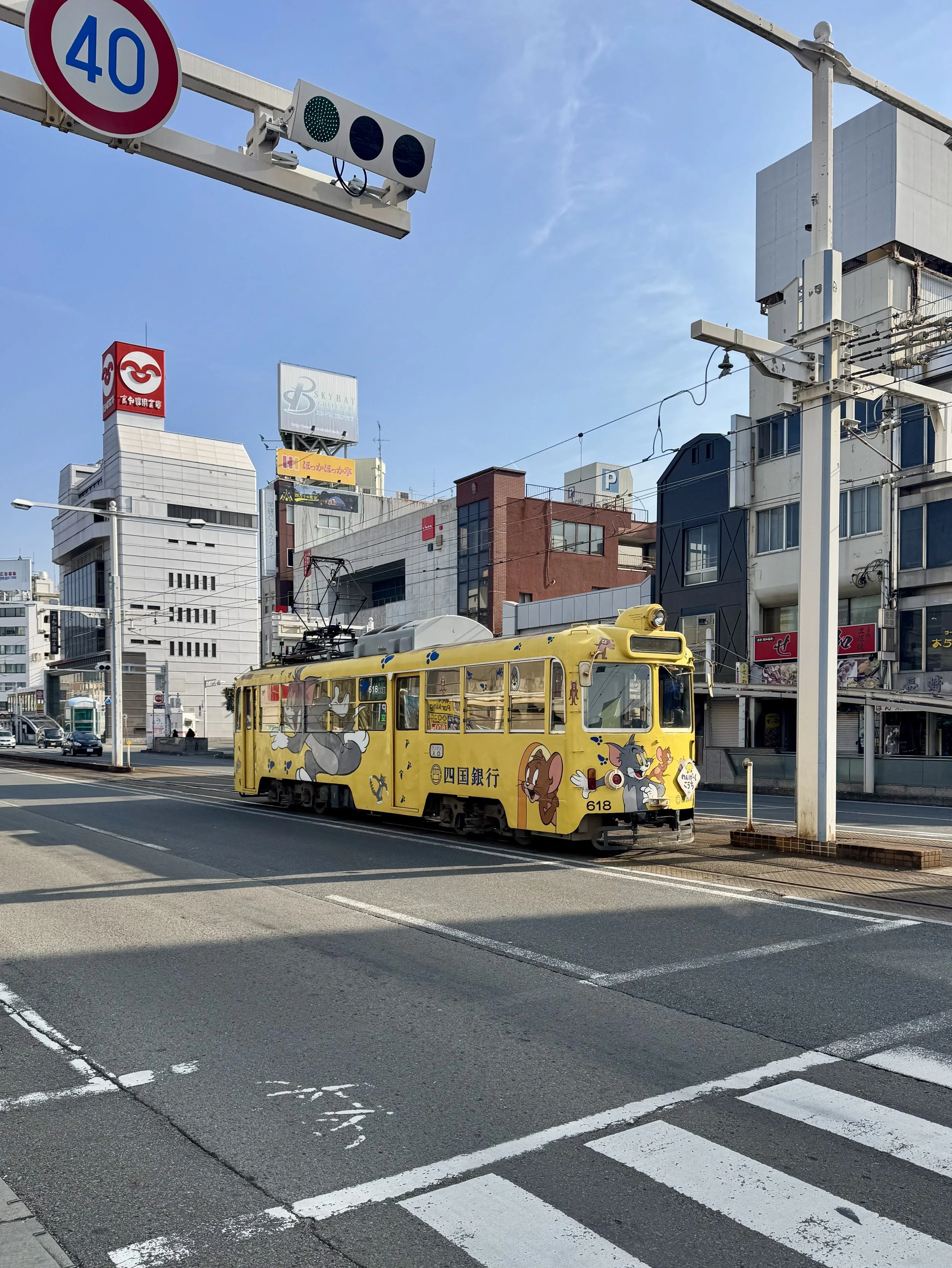
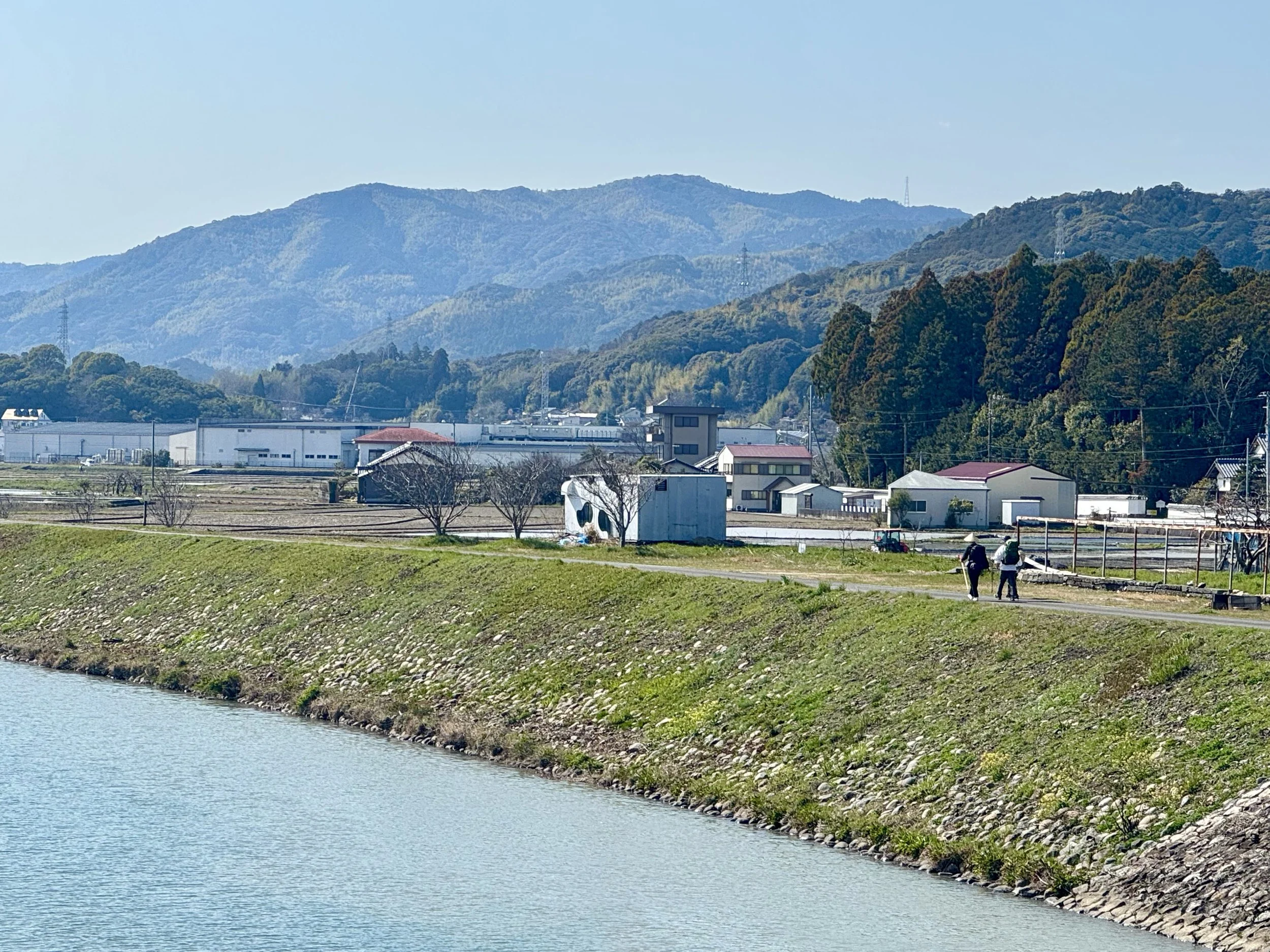
The following day, I hiked about 30 kilometers to Kōchi City, moving from the coast through agricultural land, into the suburbs, and finally into the city itself. I visited Dainichi-ji, Kokubun-ji, and Zenraku-ji (28 to 30) all in one day. Toward the end, I had to pick up the pace as it was getting late, which turned my pinky toe into one big blister 😖
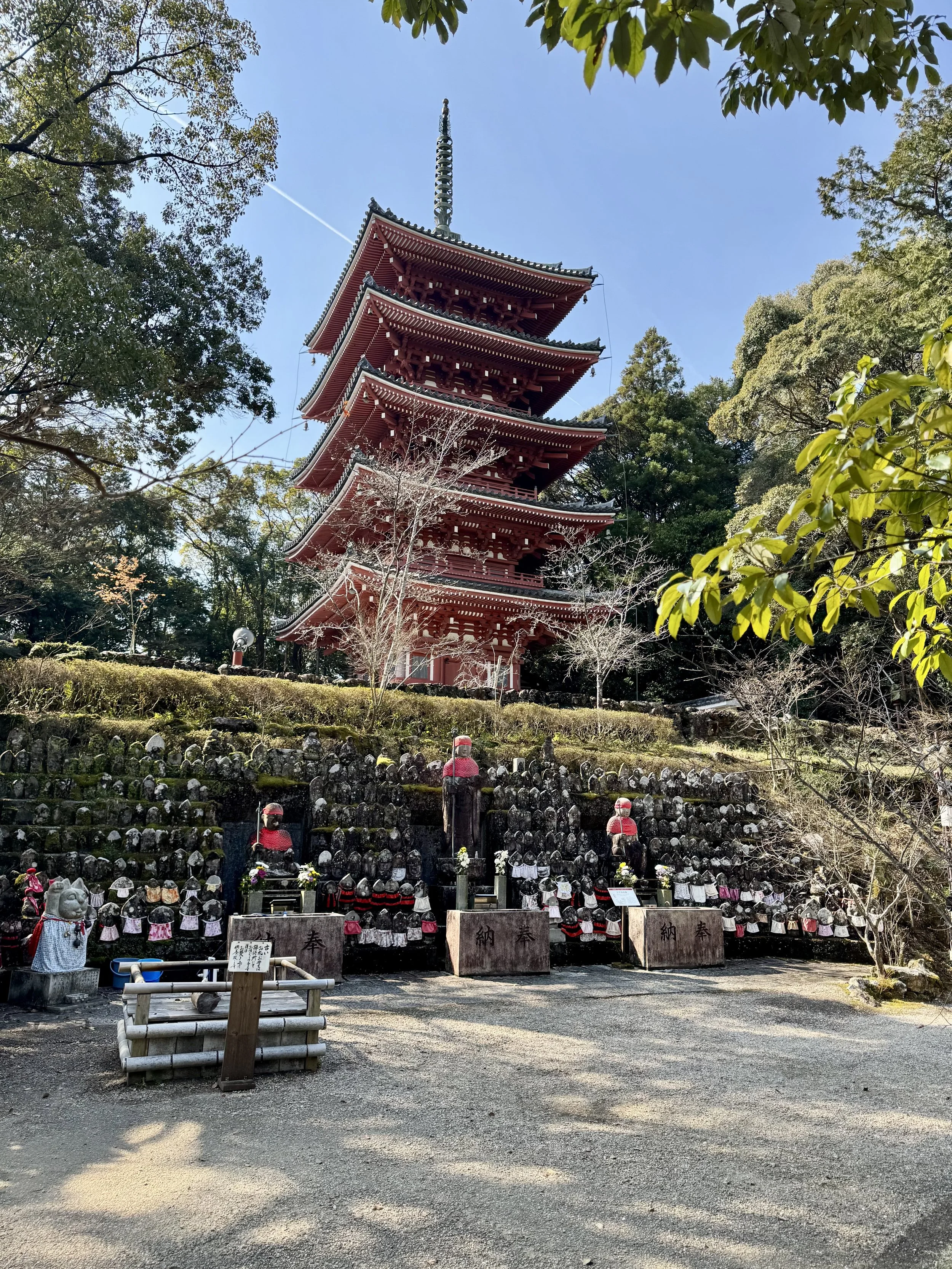
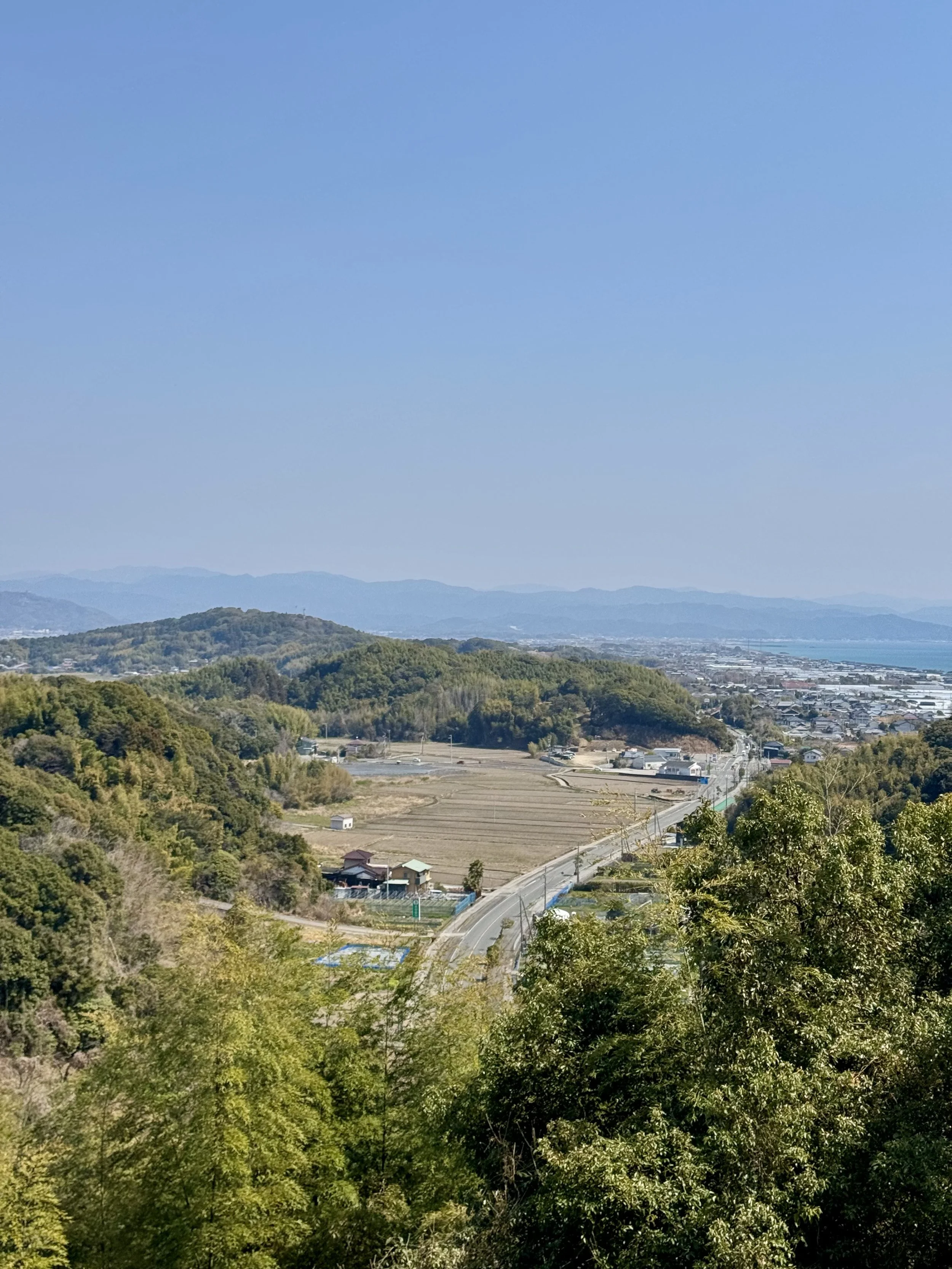
On Saturday the 21st, I visited three more temples but took it easier on my legs and feet by taking the bus up to Chikurin-ji. I visited both Zenjibu-ji and Sekkei-ji on foot, bringing the total distance to about 15 kilometers. Chikurin-ji and Zenjibu-ji were both beautiful in different ways—the former featuring a five-story pagoda and lovely gardens, and the latter offering gorgeous views over the city and surrounding area.
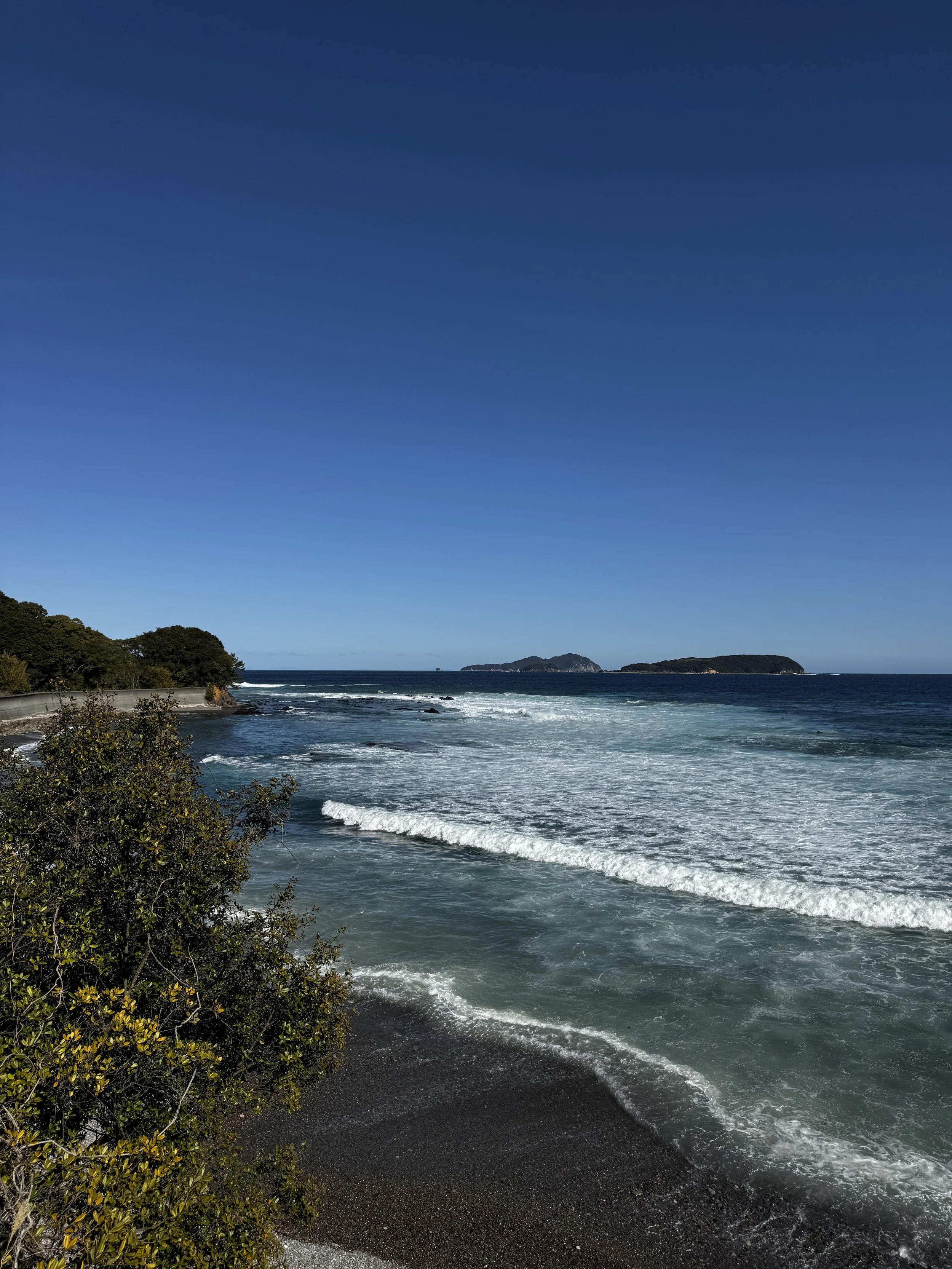
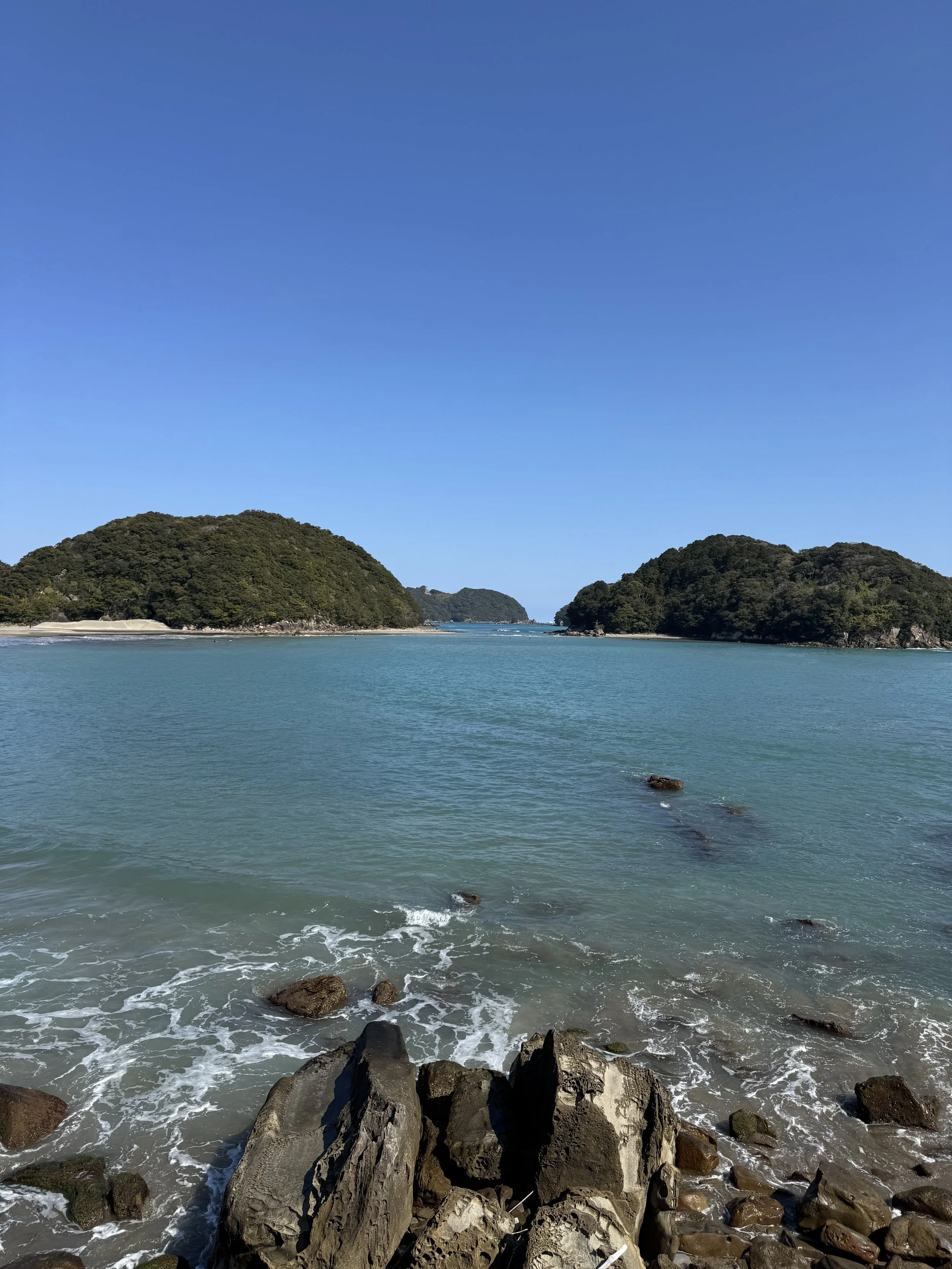
And that brings me to a total distance of approximately 350 kilometers on the henro trail. So far, it has already been a mind- and body-altering experience. Let’s see what the coming, kilometers, days, temples, encounters, and environments will bring.
Ganbarimasu!