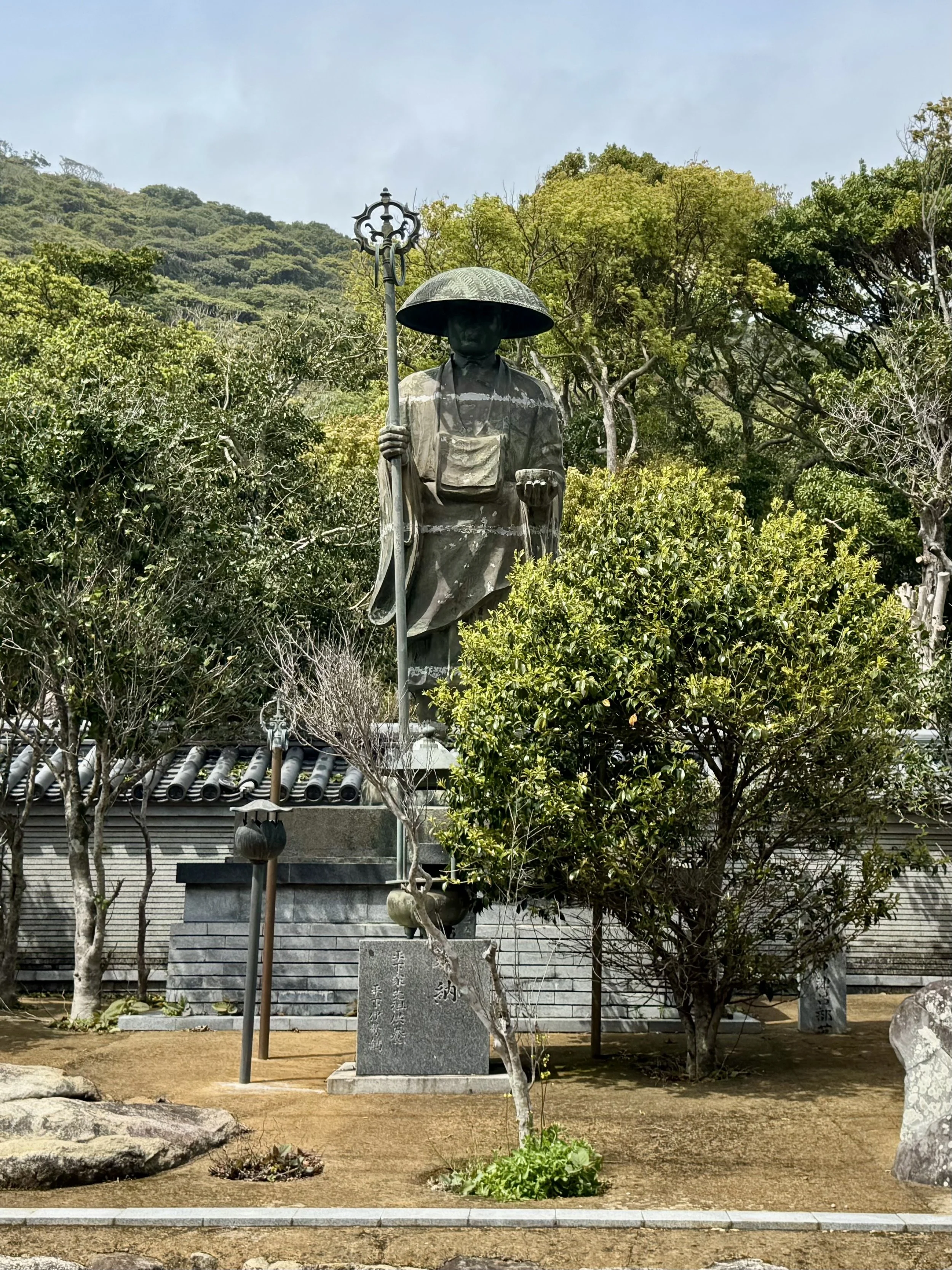
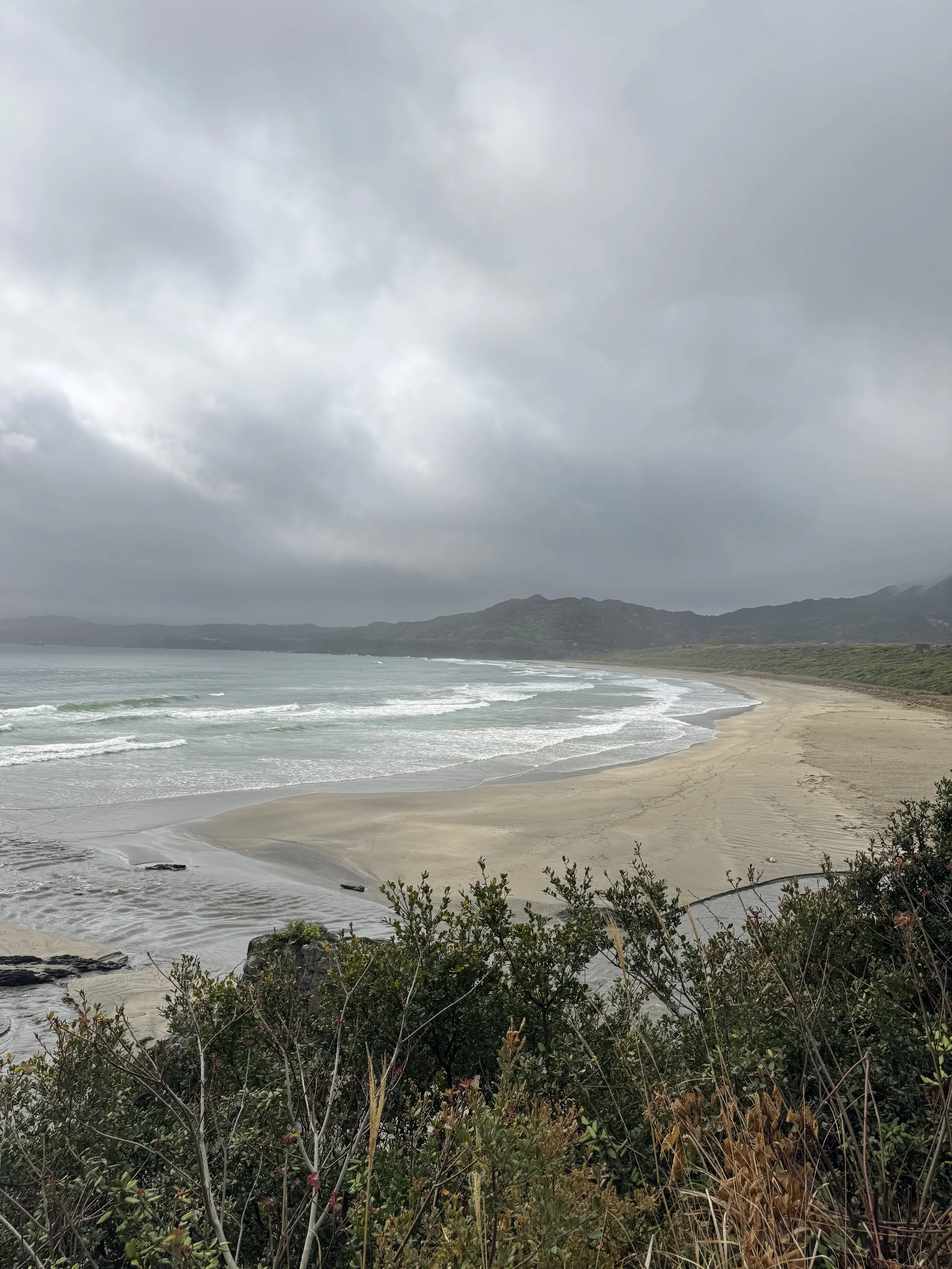
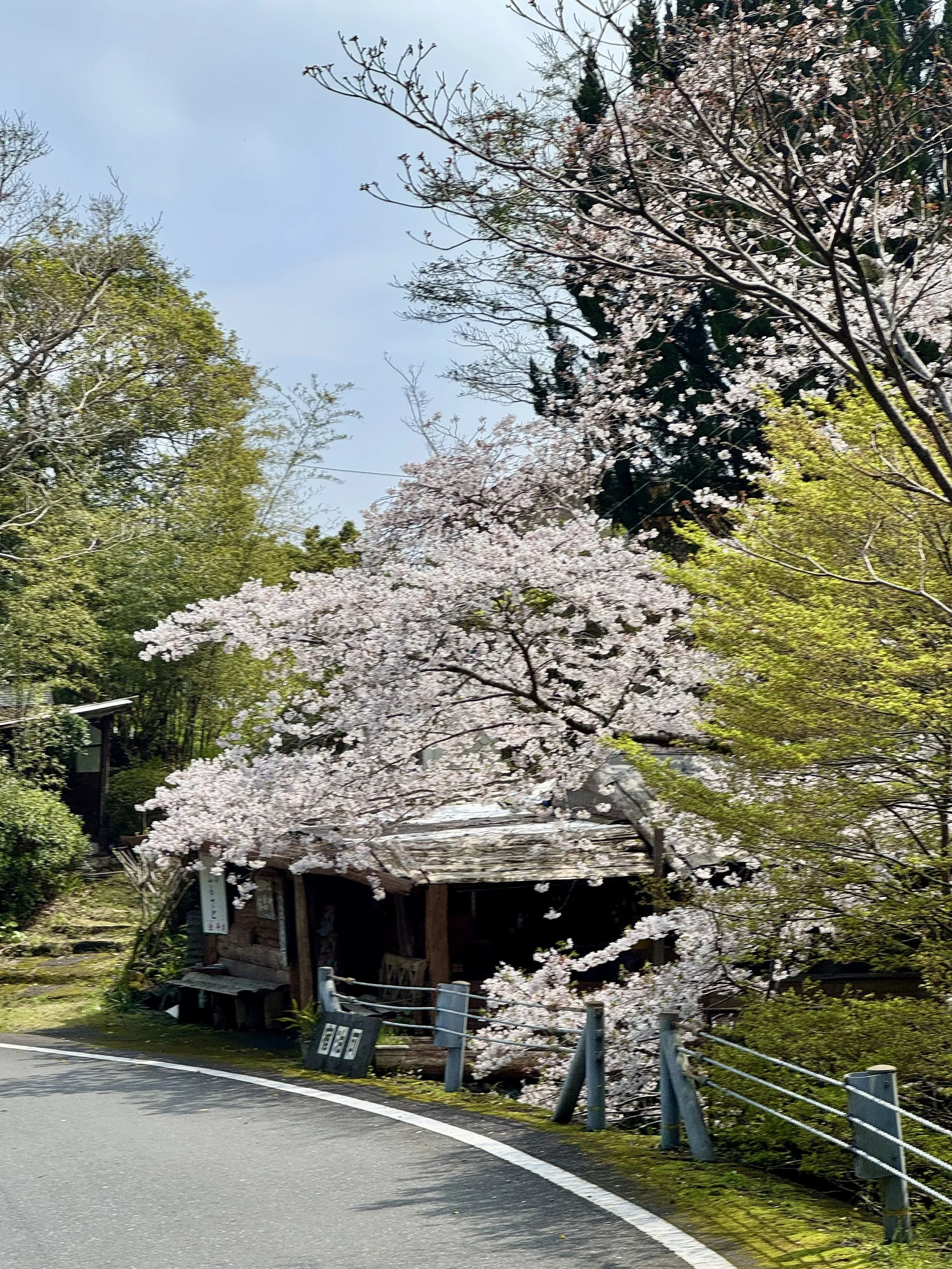
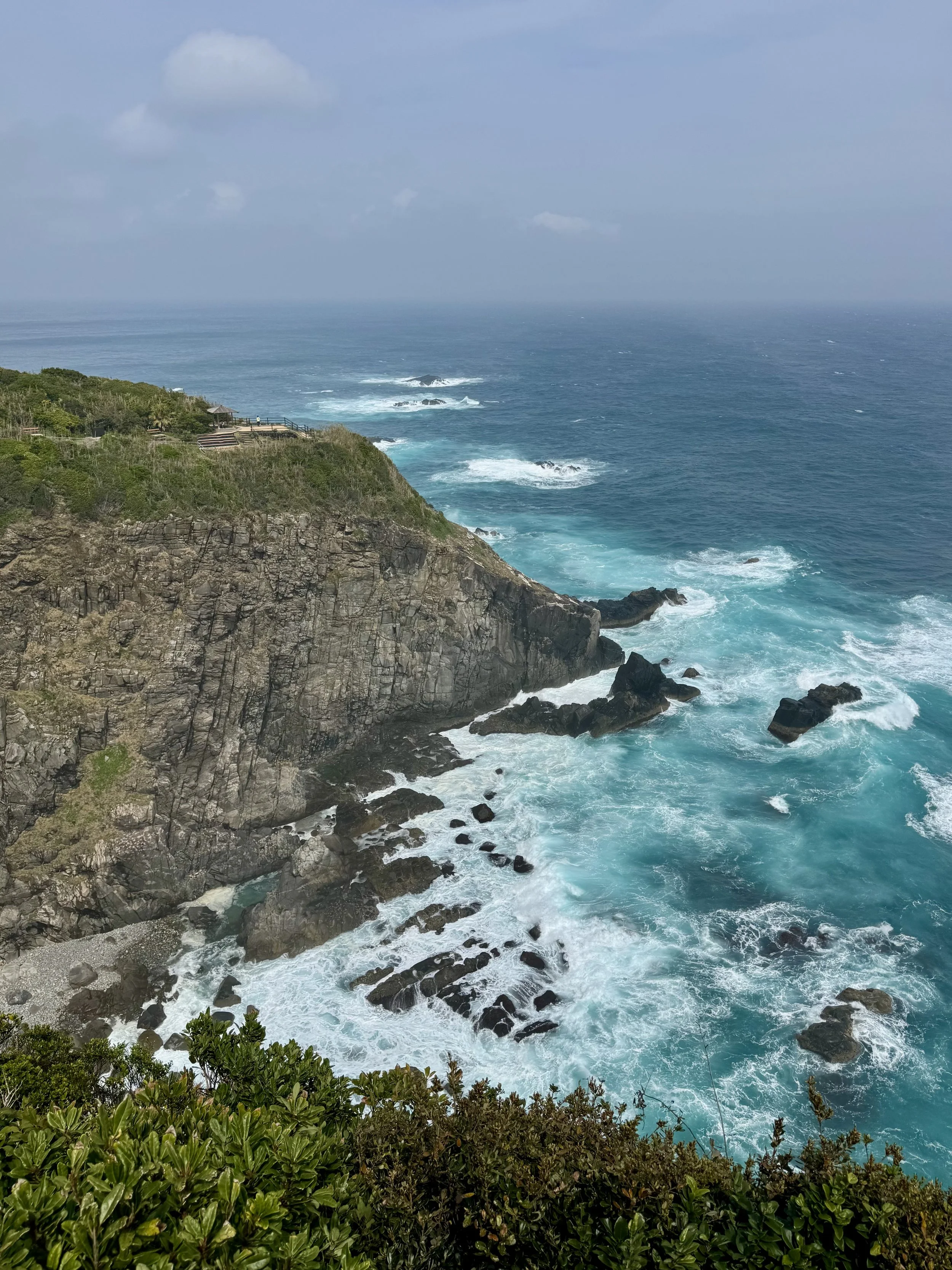
Forest Bathing & Cape Walking
I’ve left Kōchi behind me after exploring the lovely city and getting a taste of its popular katsuo dish (flame-grilled bonito). I continued on the second leg of the training phase of the pilgrimage.
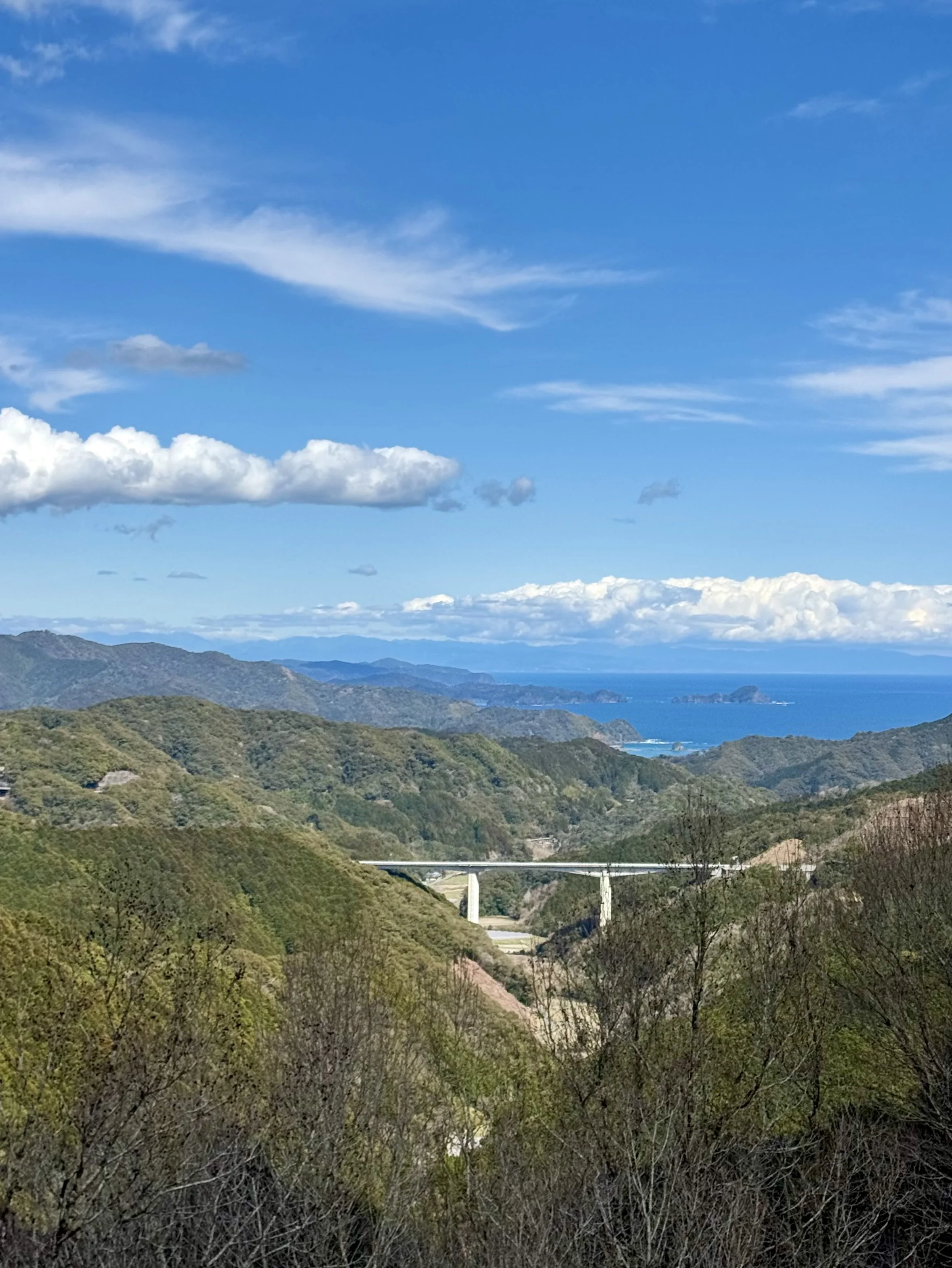
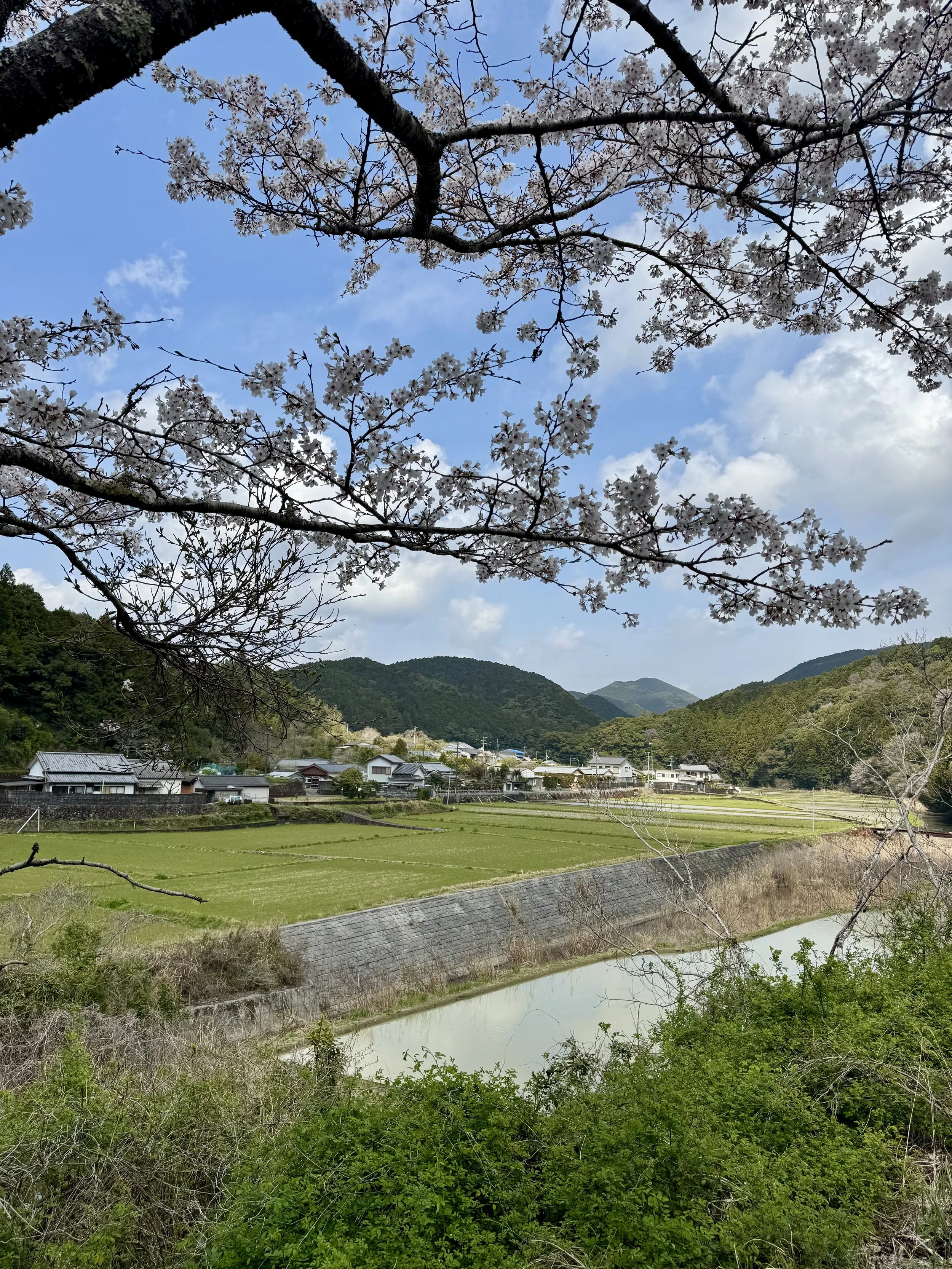
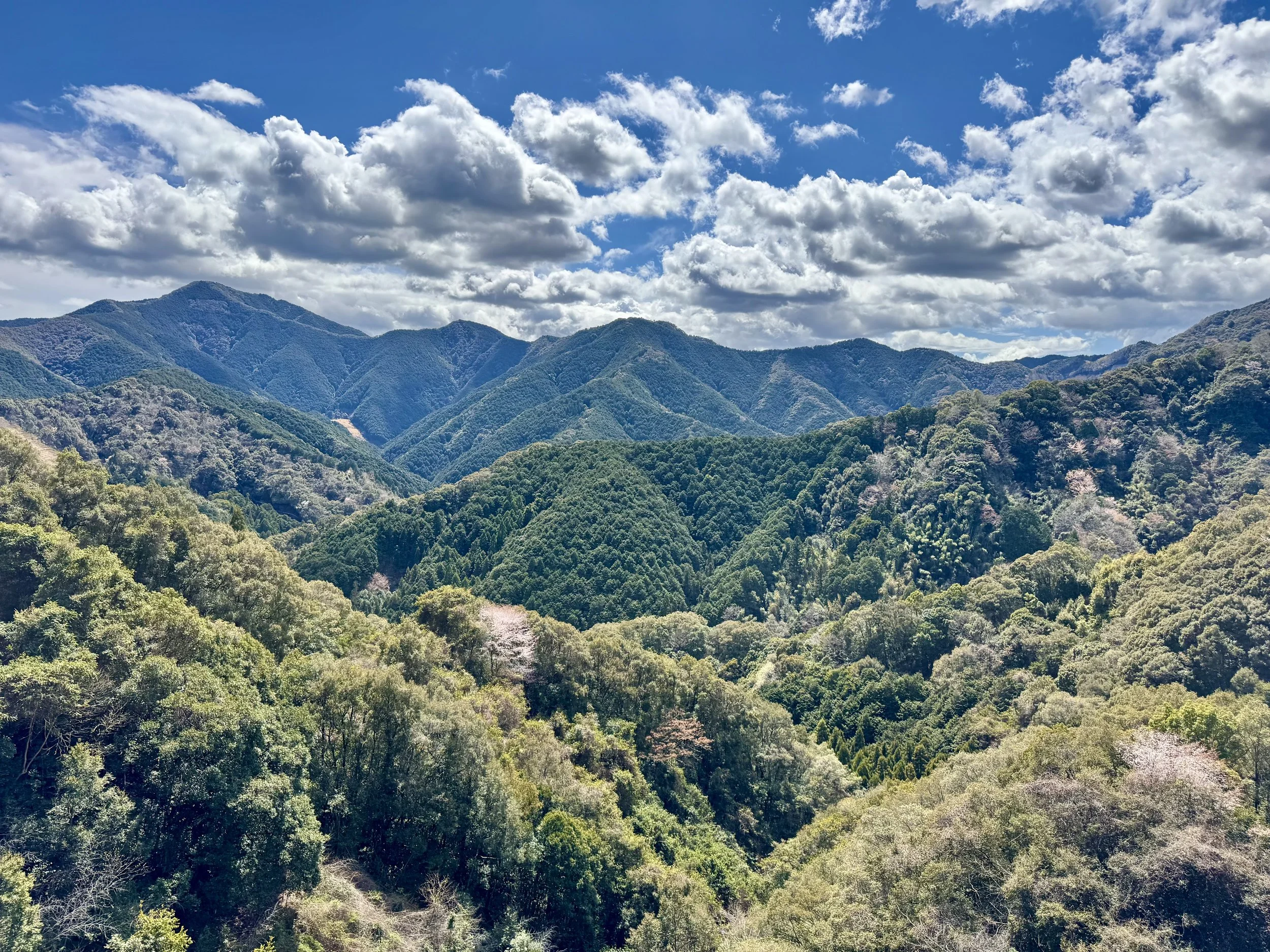
When starting out, I was afraid that it would be a repeat of the coastline I experienced on the way down to Muroto and the way up to Kōchi. I was completely wrong, and I should know by now that every step on this journey brings new sights and experiences. The route up to Tanema-ji (34) passed through many agricultural areas, and then, moving on to Kiyotaki-ji (35), the environment became much more mountainous, as the temple is built on the hillside of Mt. Mio.
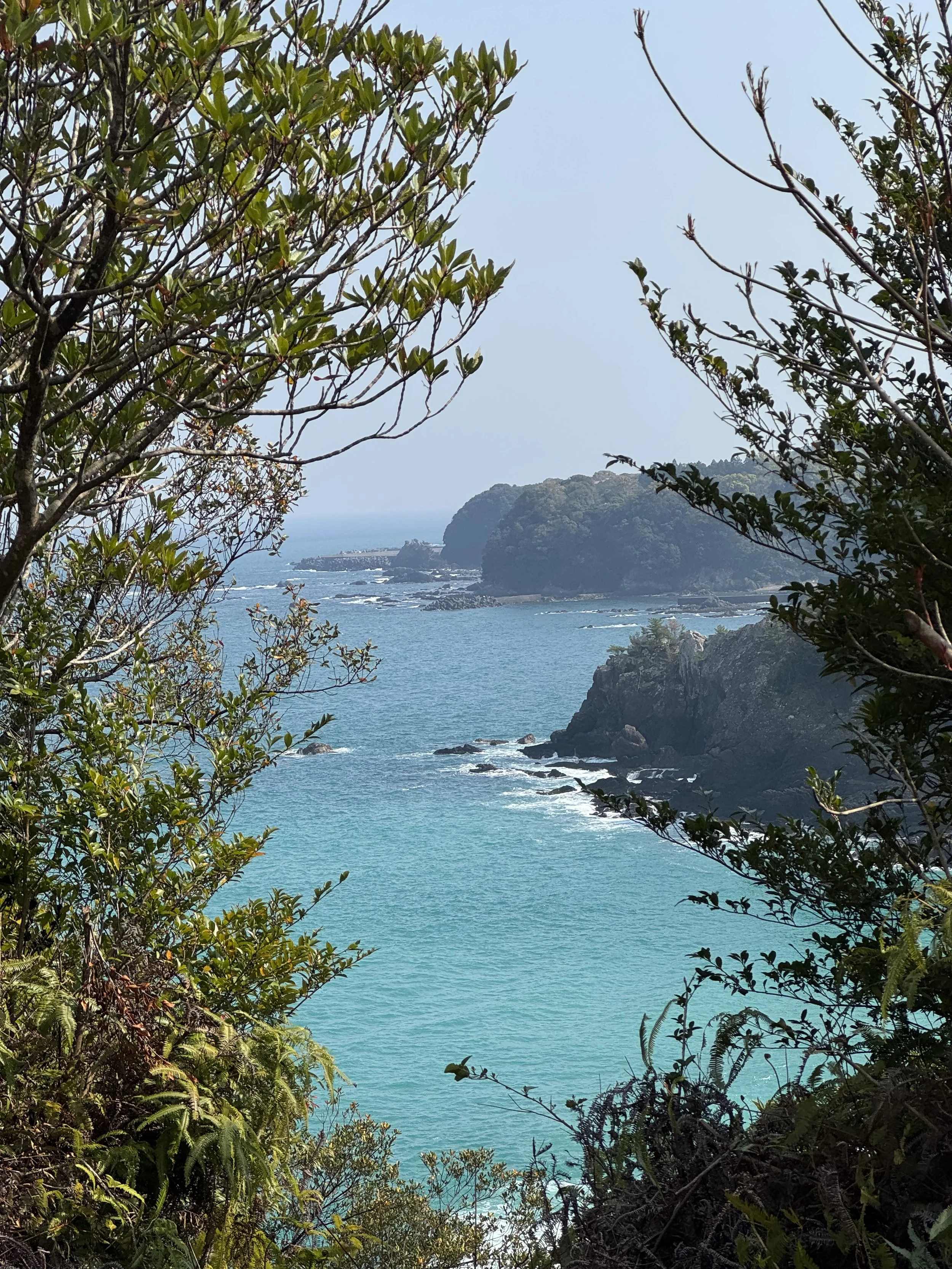
Shōryū-ji (36) is located on the tip of the Yokonami Peninsula, south of the city of Tosa. “Shōryū” translates to “rising dragon,” and the walk up the steep stairway felt like climbing along the back of one.
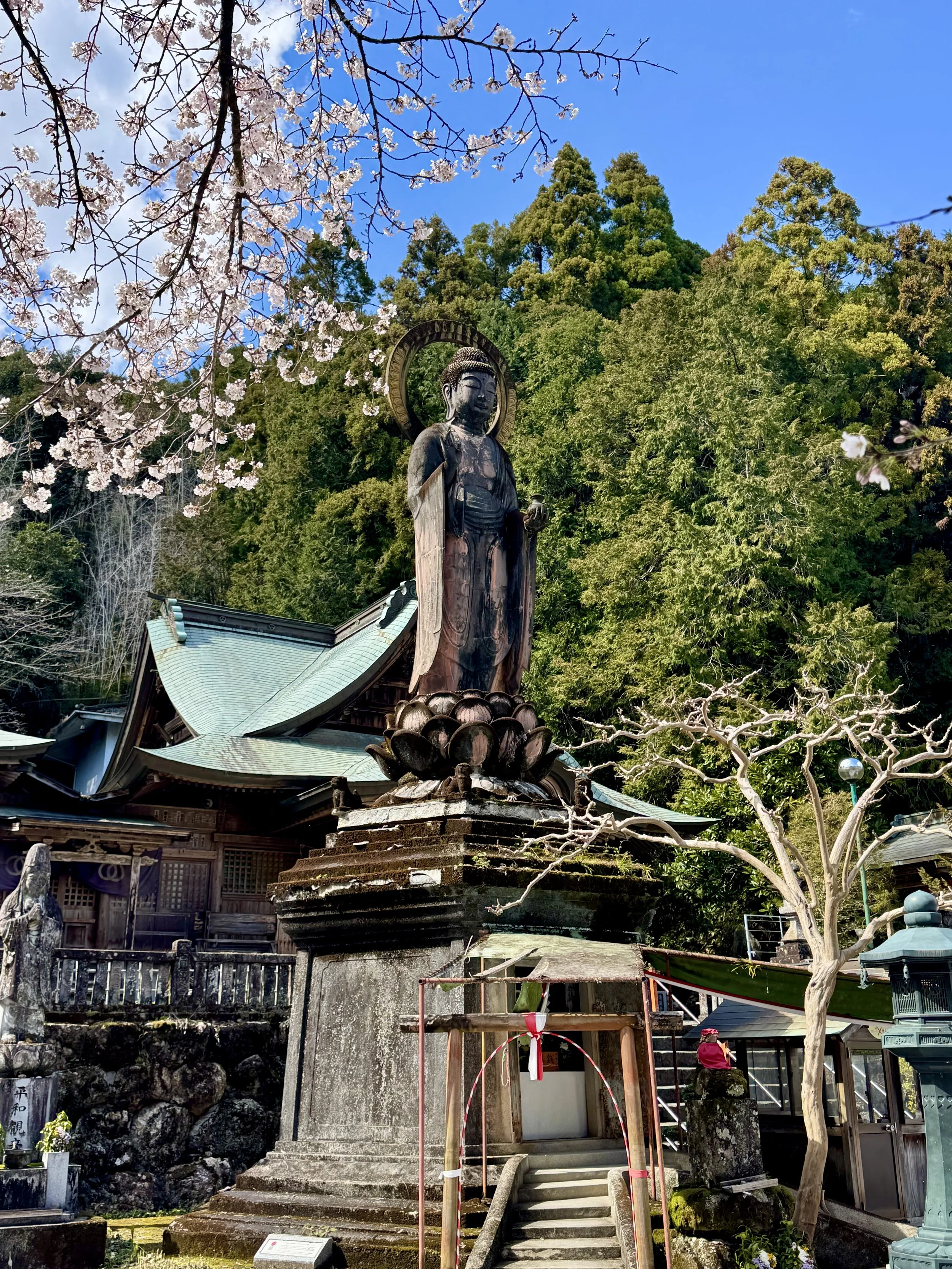
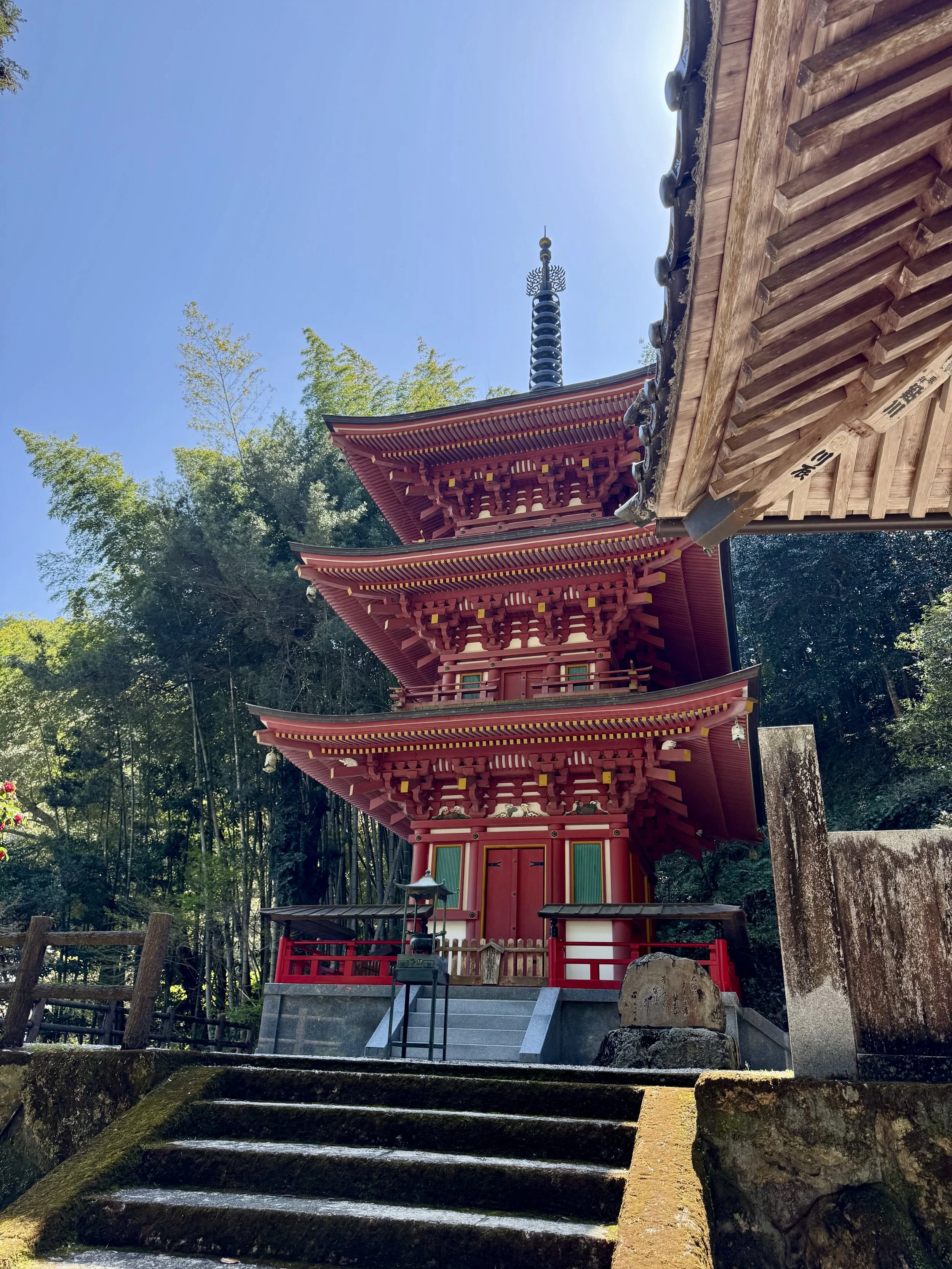
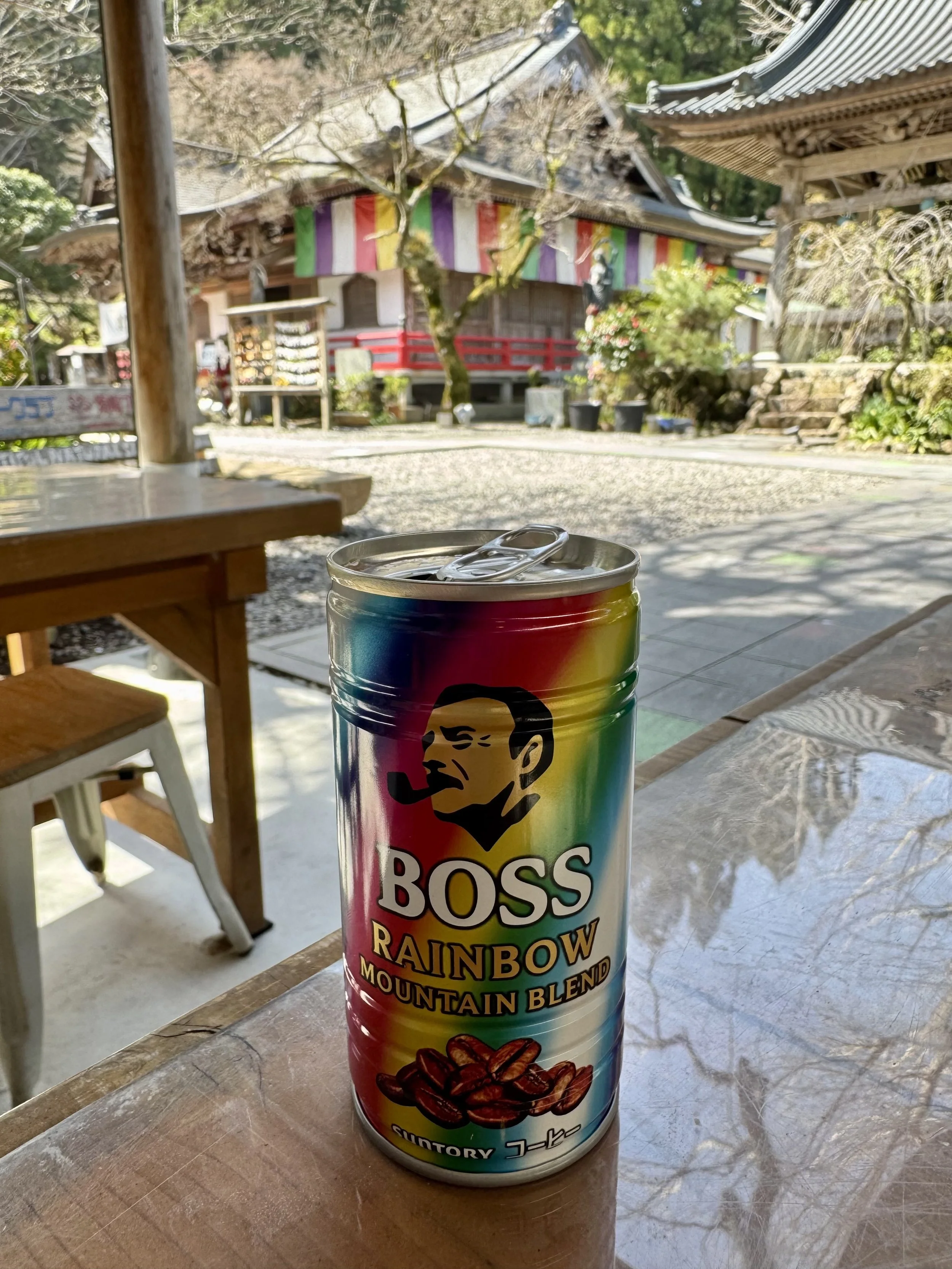
It took me another two days to reach Iwamoto-ji (37), located a further 46 kilometers along the route—10 of which I was luckily able to travel by ferry, as it is said that Kūkai also crossed Uranouchi Bay by boat. Iwamoto-ji was one of the most colorful temples yet, and I spent quite some time there enjoying the serenity of the grounds.
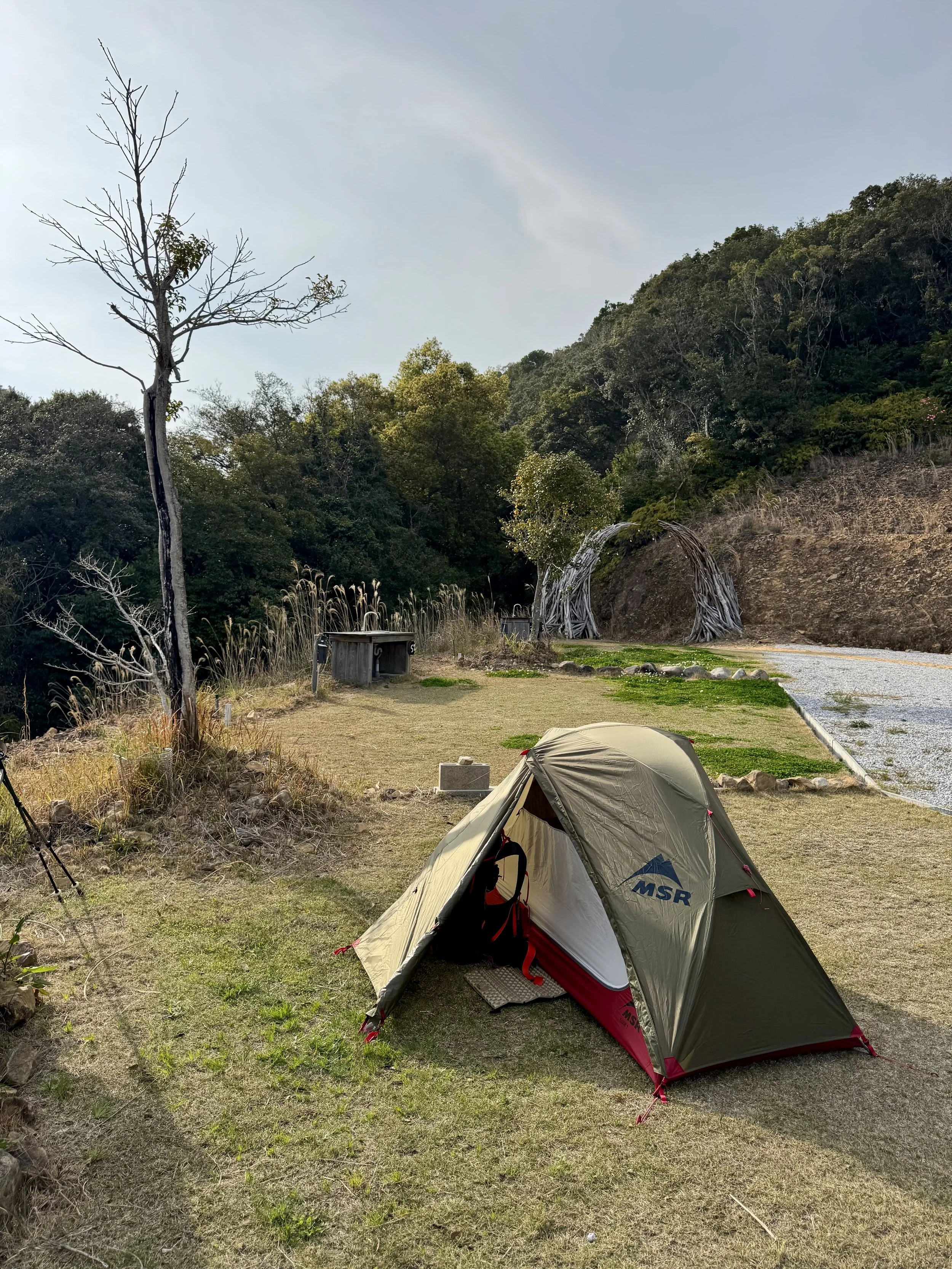
Reaching Kongōfuku-ji (38) on Cape Ashizuri took a total of four days, as the distance was roughly 80 kilometers. Along the way, I stayed in several fascinating places: a campsite on top of a mountain with an onsen overlooking Shimanto and its river; a family-run, sustainably repurposed yet partially abandoned hotel dating from the 1950s; and a beautiful old Japanese house built by a haiku poet.
So far, I’ve mostly written about the factual journey—the places and temples I’ve visited—in these blog posts. But let me now dedicate some words to the inner journey I’ve experienced over these past weeks. In a previous post, I mentioned that enjoying the journey is more important than simply powering through it. After finding my own pace during the tougher stretches and confronting my physical and mental limitations, I began to lose the urgency of reaching the next temple or accommodation, and instead focused on feeling present in each moment. I’m experiencing the pilgrimage as something deeply personal, rather than something a monk like Kūkai undertook centuries ago, or something I merely read about online or in a guidebook.
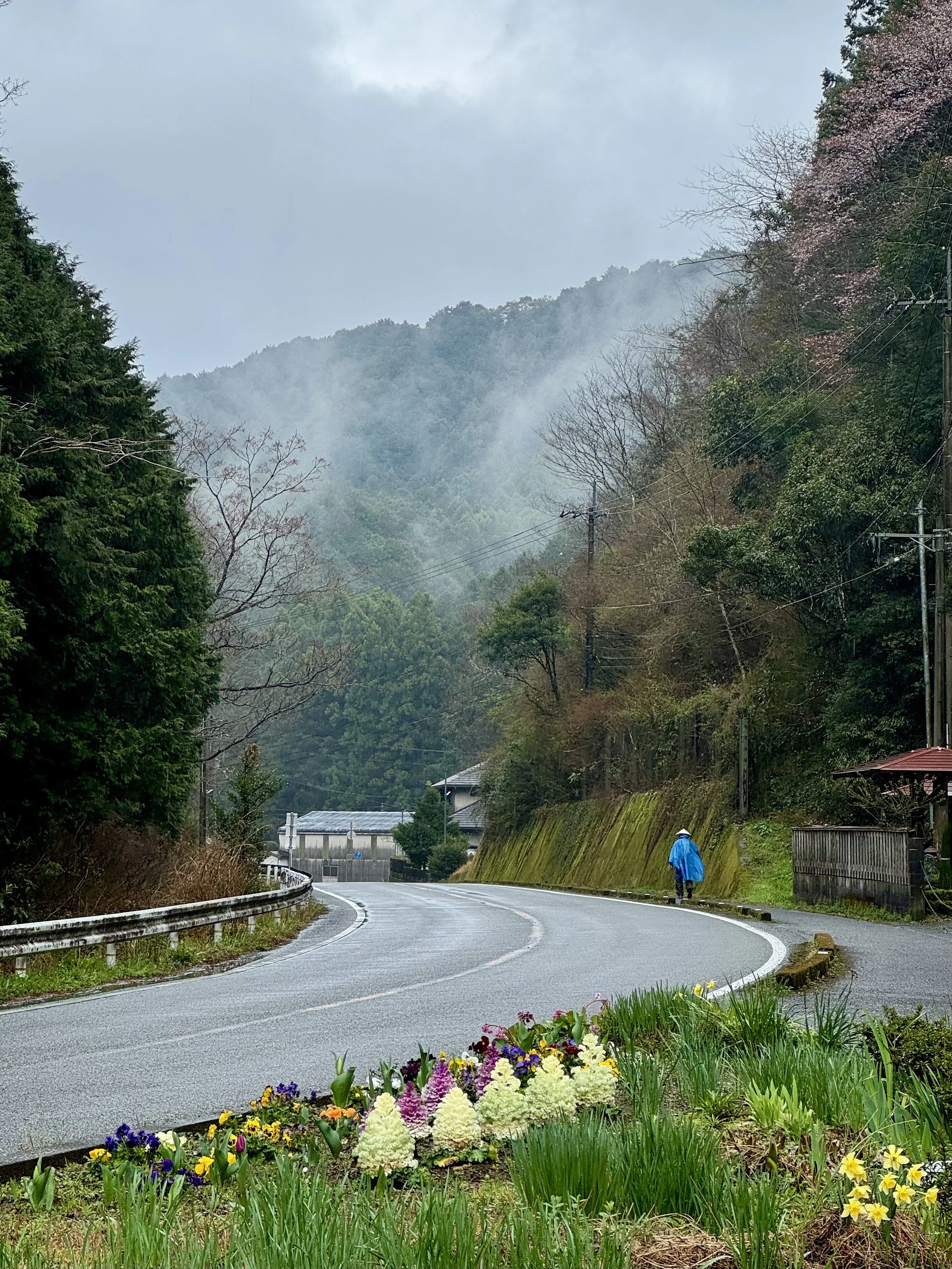
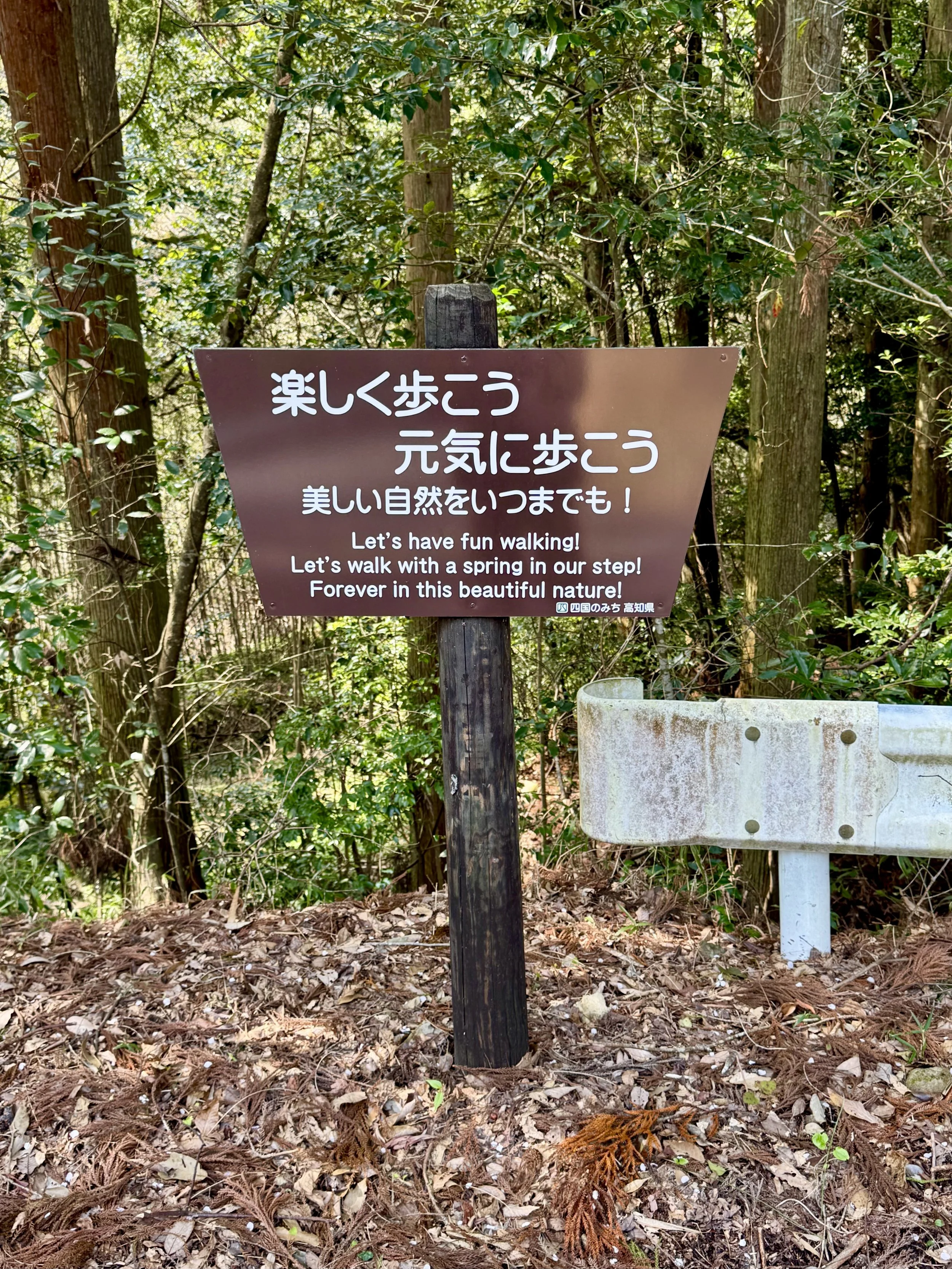
Shinrin-yoku, or “forest bathing,” is a Japanese practice in which one immerses oneself in nature using all five senses to enhance mental and physical well-being. During these long walks through forests, along beaches and coasts, over mountains and through valleys, I’ve started to notice that I’m no longer simply hiking—I’m bathing in the abundant nature of Shikoku, enjoying all the sights, sounds, smells, tastes, and textures it has to offer.